
Volunteering at Detectival
It’s taken me a long time to sit down and finally want to write this blog post. That’s because for many who dabble in the wonderful hobby of metal detecting it can be, and very often is an emotional past time. There are a myriad of reasons for the emotional side of searching for the past in the ground, all of which I think are good for the soul. For some it’s the thrill that comes with finding Iron Age or Roman coins and artefacts, or any historical finds for that matter. For others it’s being out in the country air which can be a great tonic for the stresses that life can bring. For a lot of us it’s a combination of both, although detecting can bring it’s own stress in the form of frustration when a day out doesn’t produce in the way that you think it should.
The reason it’s taken so long for me to sit down and write this is simply because I didn’t know how I would approach it. Decetctival 2025 was very conflicting for me because it took place on a permission which I have been detecting on for quite a few years now. I’m out on this permission most of my free weekends and I have come to know the place really well through research and endless hours walking in the fields. So when I found out that Detectival was going to take place here my heart sank. The thought of 1500+ detectorists searching the permission that I have come to know and love filled me with a certain amount of dread.
Coming to terms
Don’t get me wrong, I’m not against group digs, they are a brilliant way for people to take part in the hobby who haven’t been able to get their own permissions. I have been on a few smaller group digs myself when I was starting out and they have certainly helped in fueling what is now a life long passion for this hobby. But, and this is where I am going to sound like a NIMBY, it’s a completely different proposition when one of these events takes place on your own permission, especially one the size of Detectival.
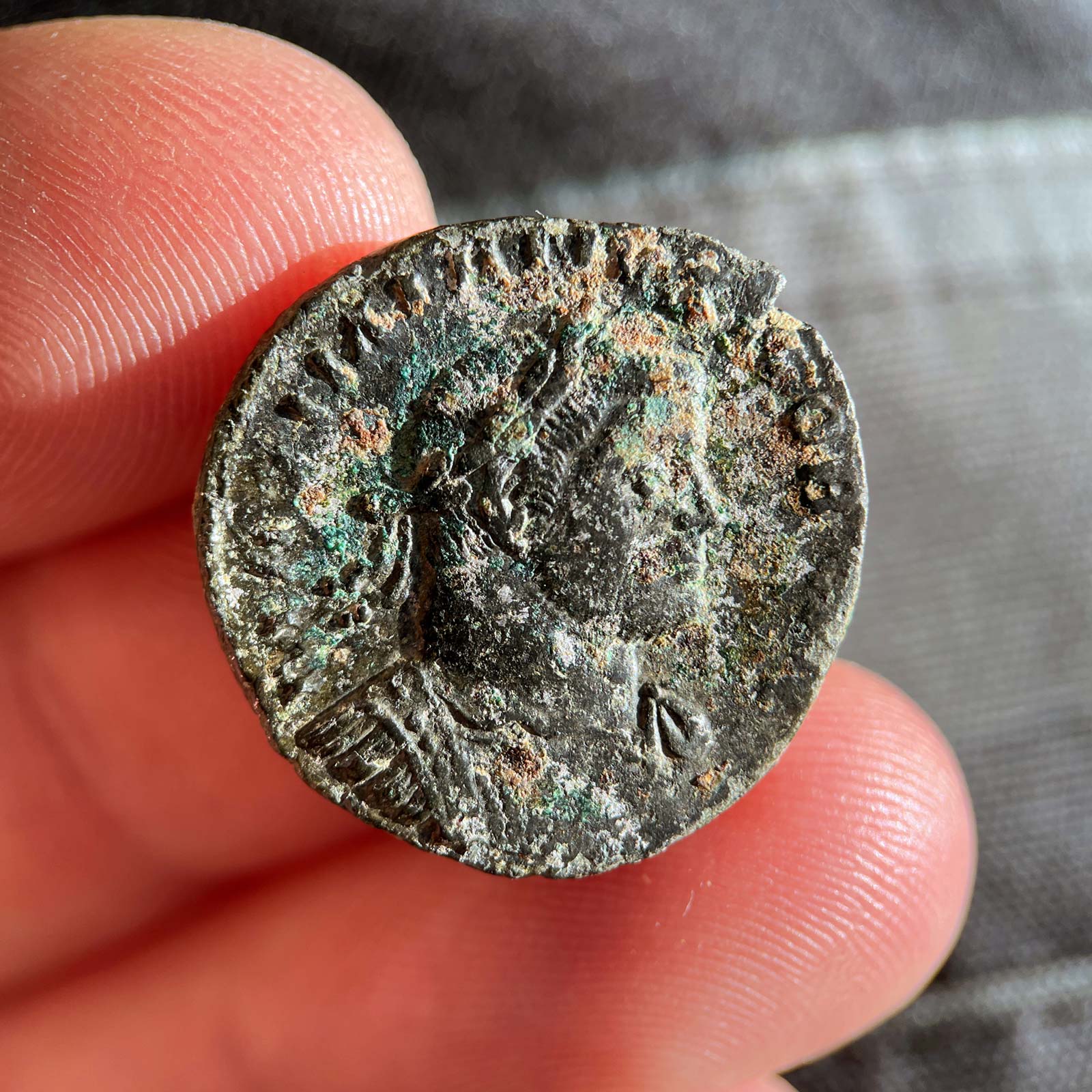
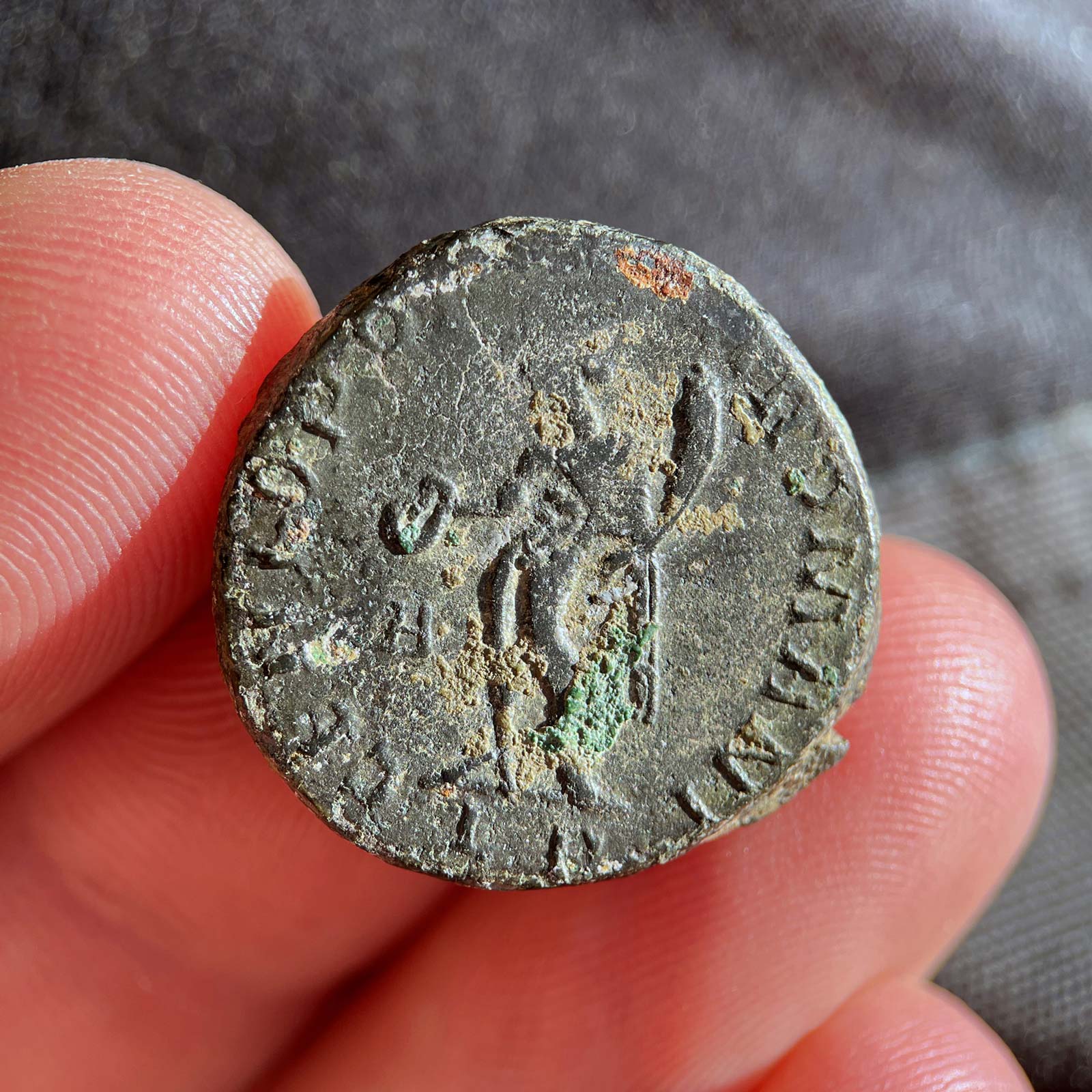
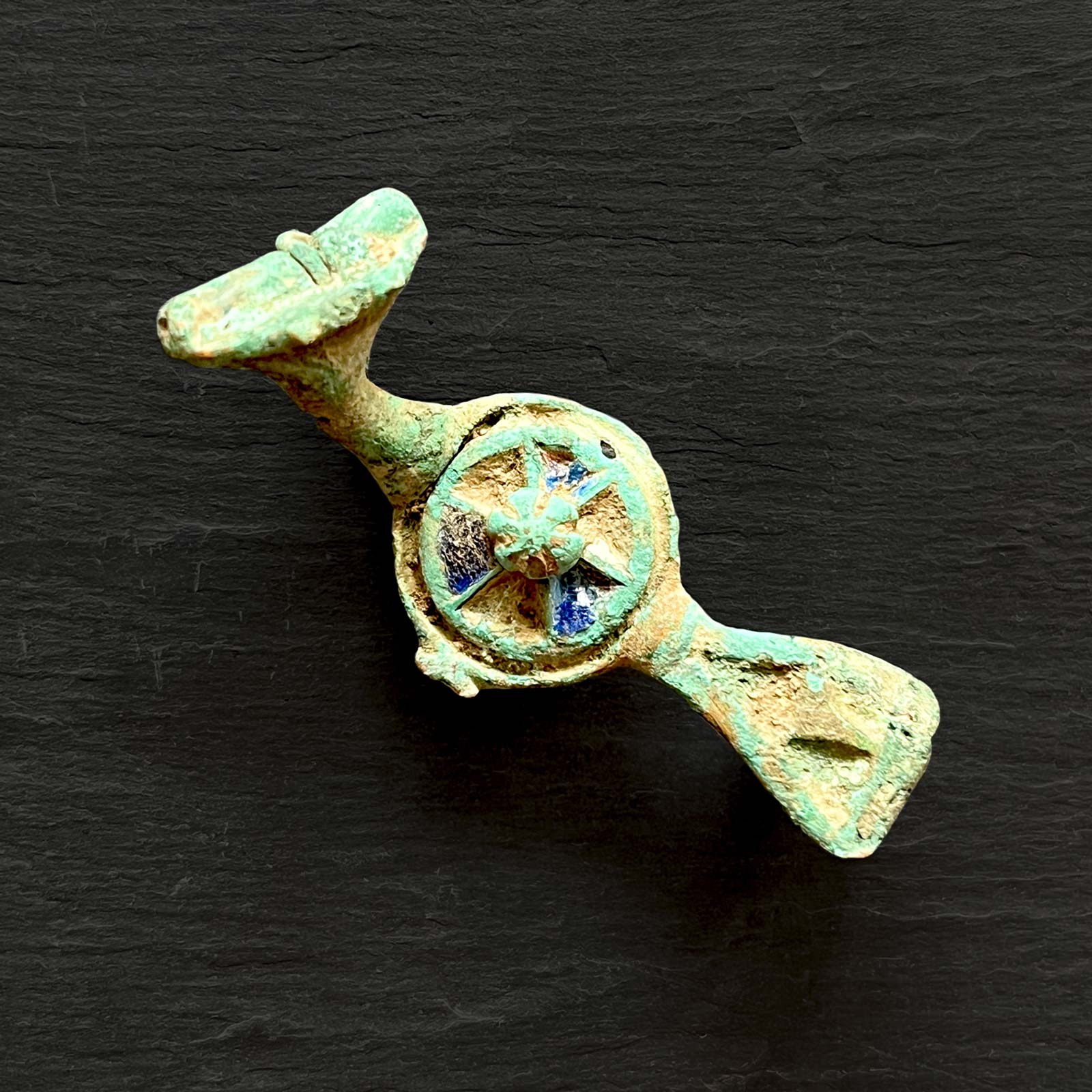
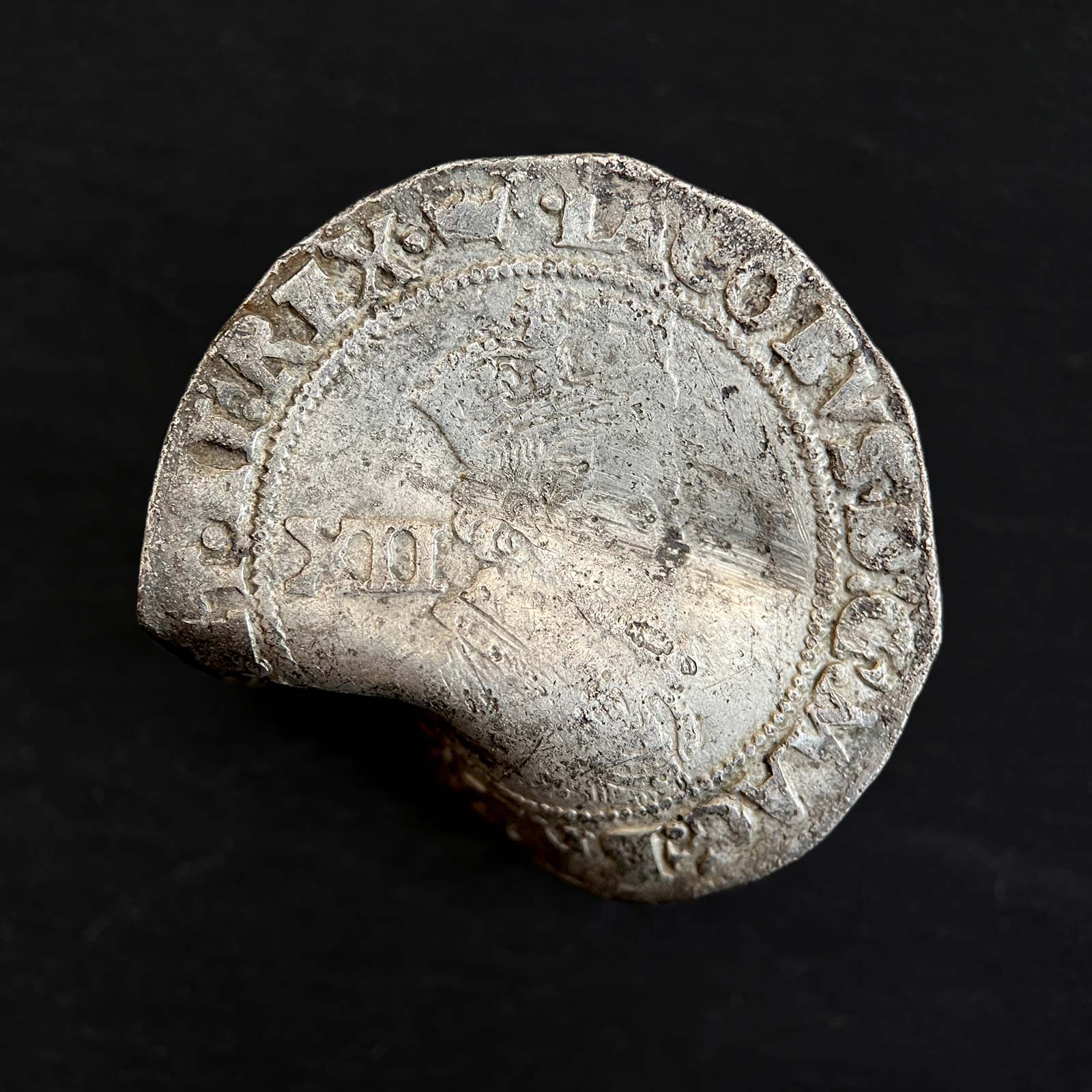
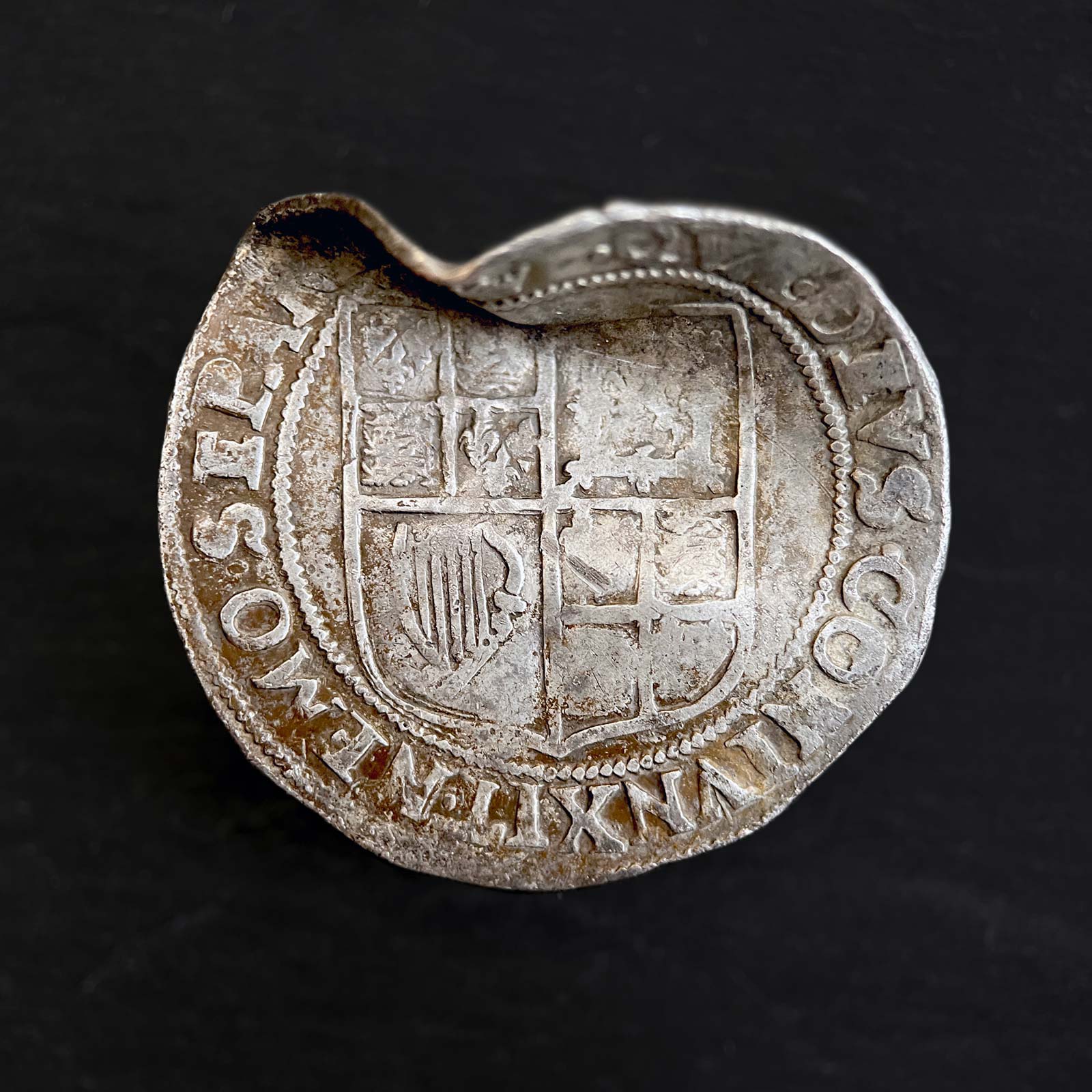
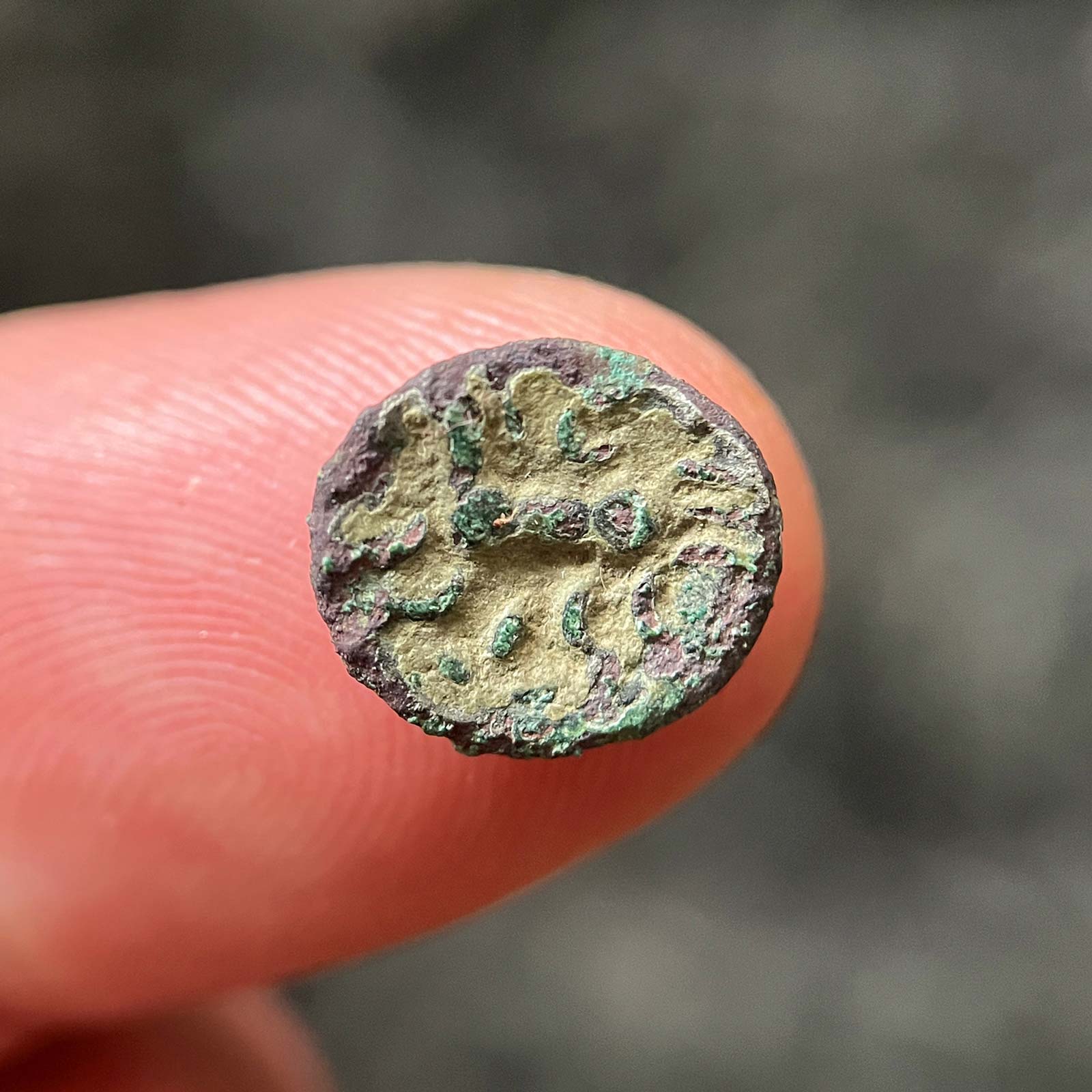
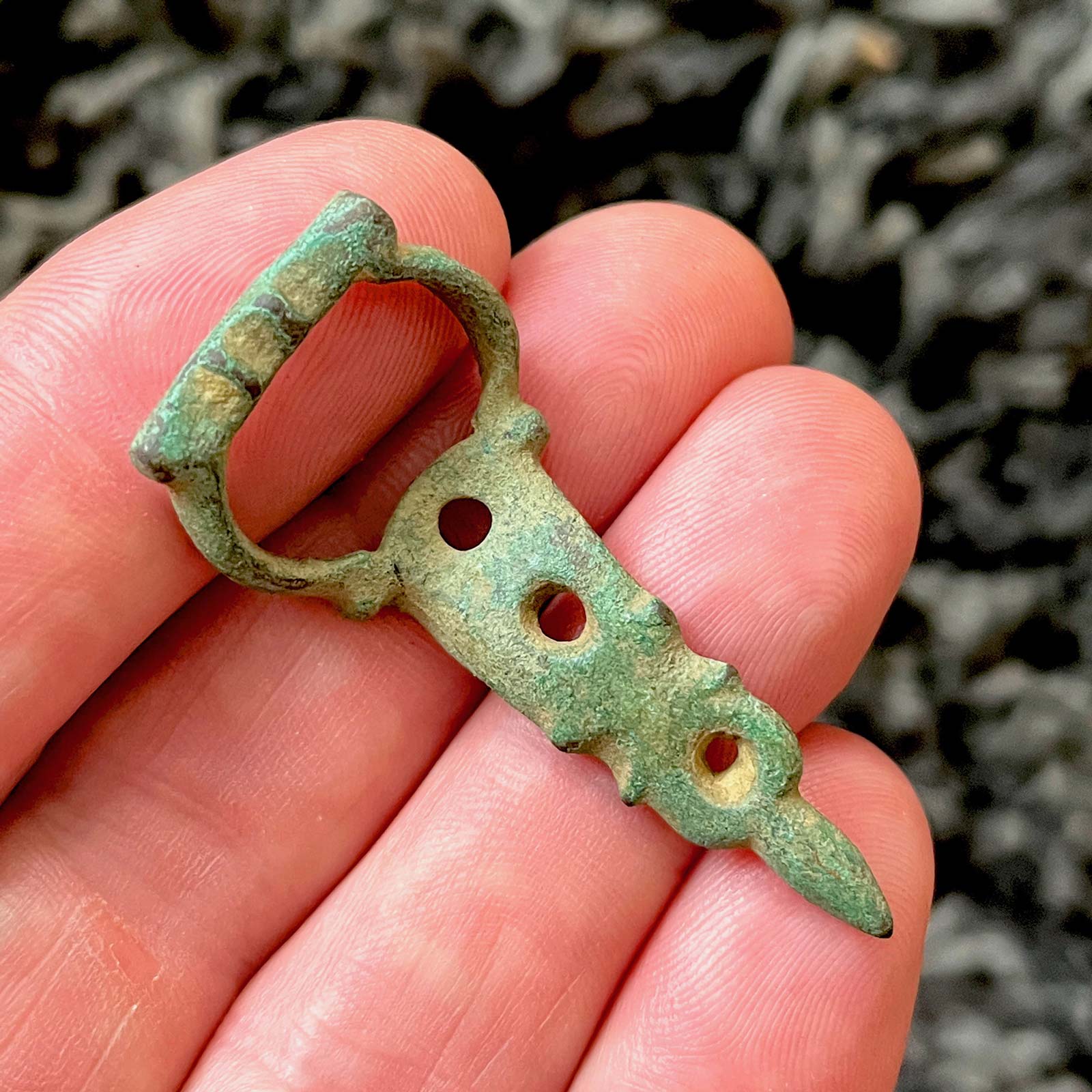
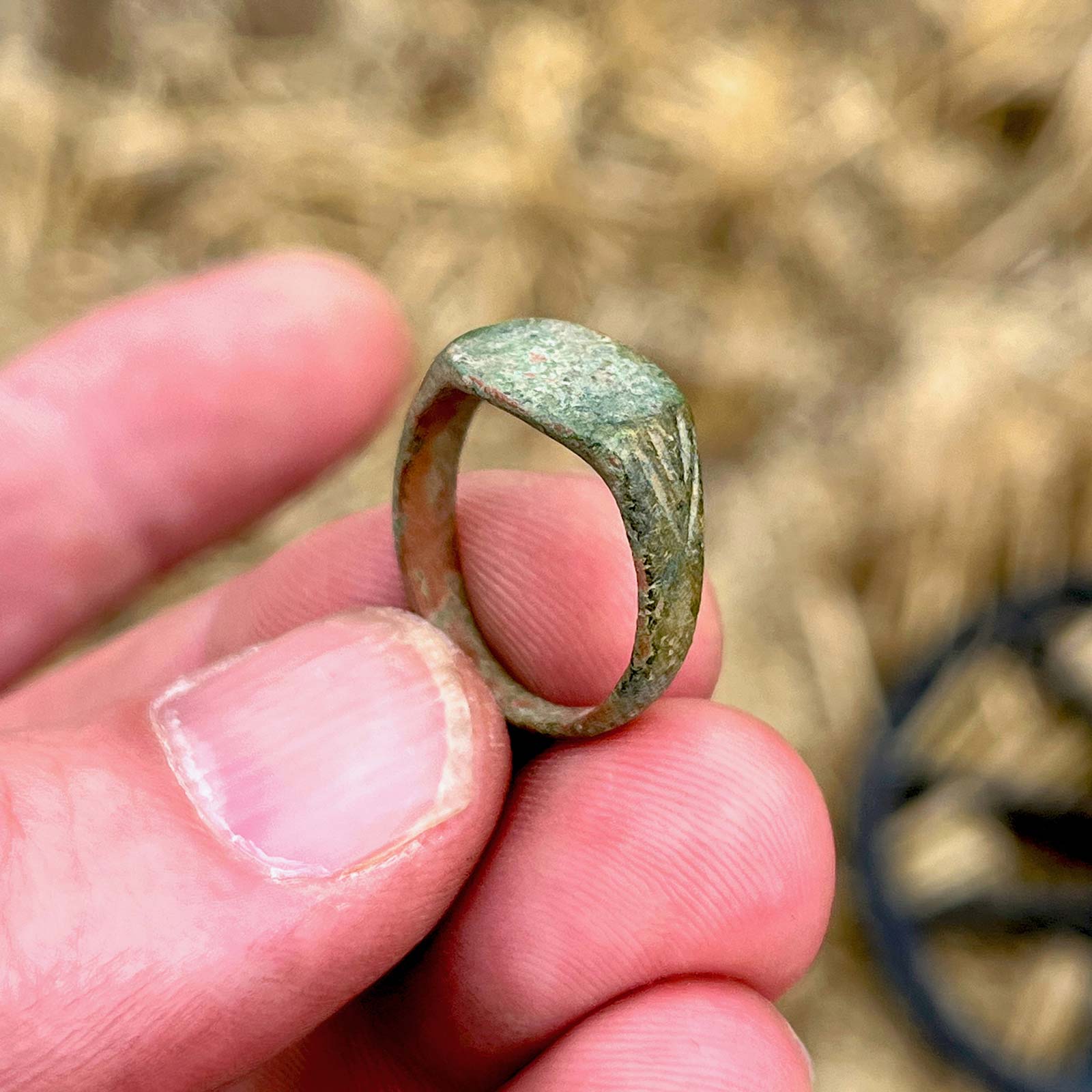
I found out about six weeks before the event took place when a lot of the fields still had crops in. There were a lot fields I had been waiting to get into which meant when they became available it only gave me a few weekends to search them before Detectival took place. The fields in question had a mix of Iron Age, Roman and Medieval features all of which have given up good finds in previous years. So I spent those weekends searching as much of those fields as I could, and they didn’t disappoint as you can see in Figs.1-6.
Embrace the inevitable
I decided to embrace Detectival taking place on my permission, after all there was nothing I could do about it. But then an unexpected opportunity presented itself which I couldn’t turn down. For the past year I have been a member of the North Hertfordshire Archaeological Society, and they were approached by Anni Byard, the Archaeologist & Small Finds Specialist who heads up the finds team (Middle Ground Archaeology) for Detectival. She was looking for volunteers to help record the finds over the weekend, so of course I Jumped at the chance. I figured it would be great to get a different perspective on our hobby and see what life is really like recording finds.
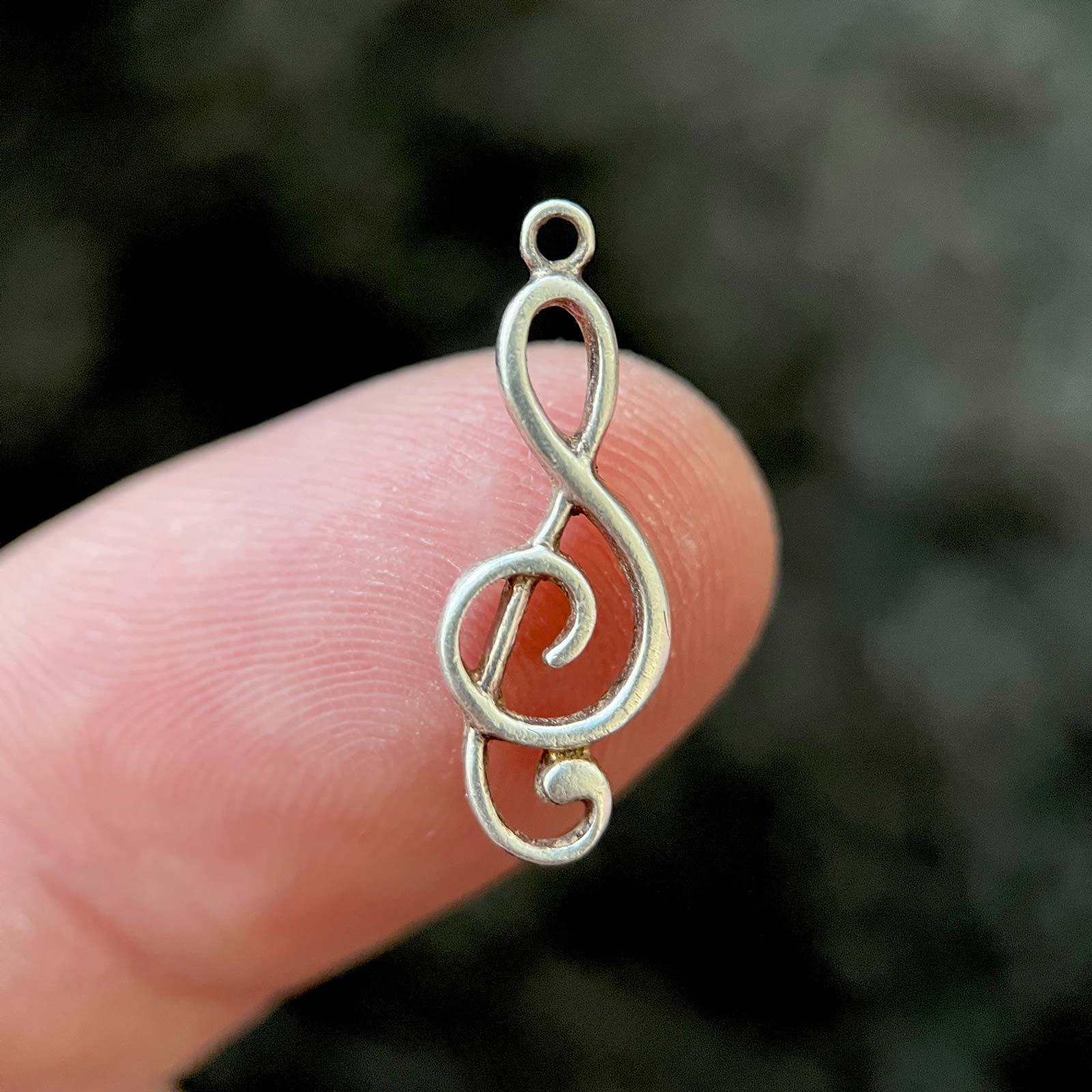
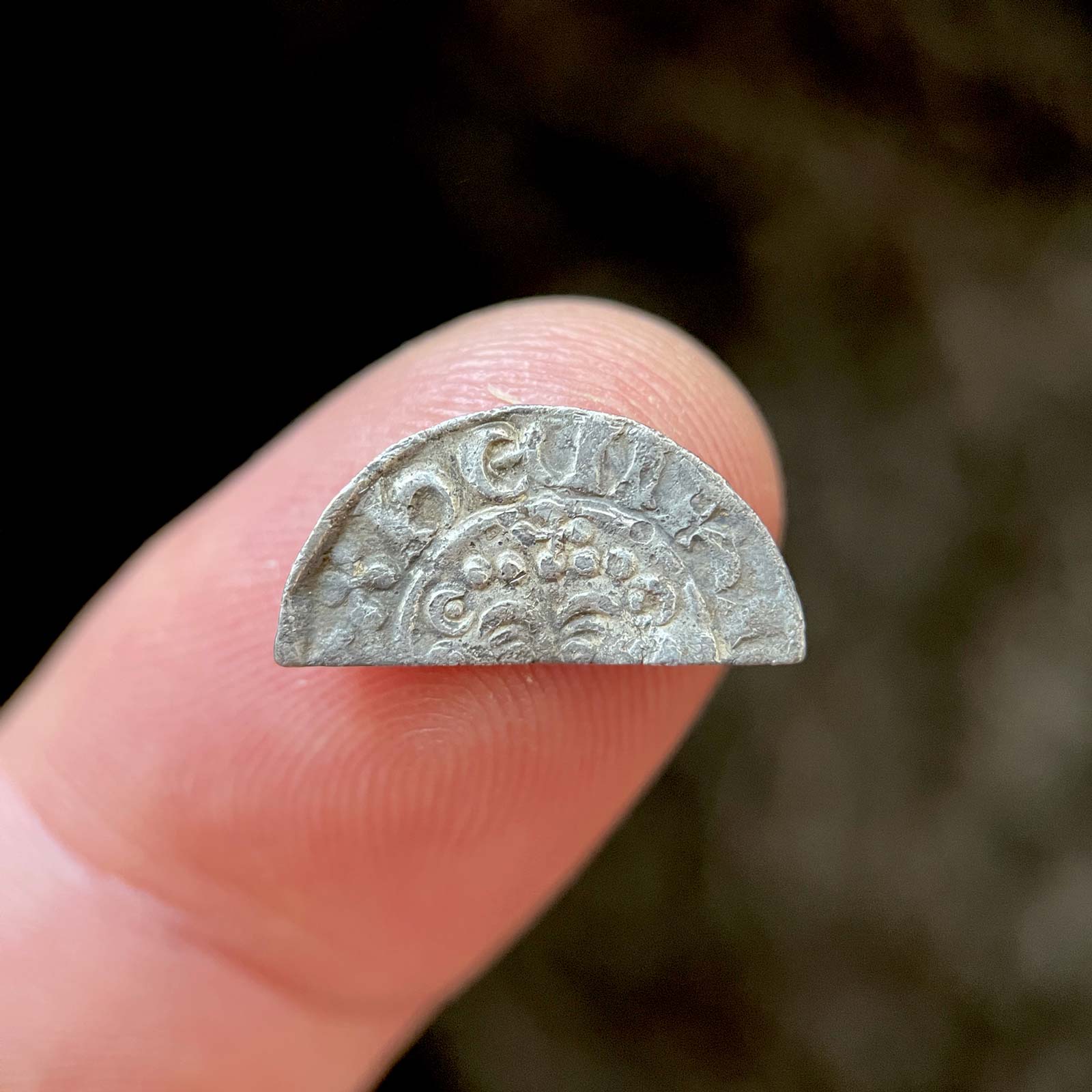
I was due to help out in the finds tent on the Sunday, so I decided to do a bit of detecting on the Saturday. Taking to one side meeting some brilliant people, I have to admit that I didn’t enjoy the detecting part of it, being surrounded by crowds of detectorists on my permission was not fun. One of the many things I love about detecting is the solitude of being on my own or sometimes with a mate or two, but this… nah, not for me. Unsurprisingly on my short lived session I didn’t really find anything of note, other than one of the musical variety (note that is) which I think was once an earring (Fig.7). Still, it’s always nice to have a bit of silver up.
A day in the life
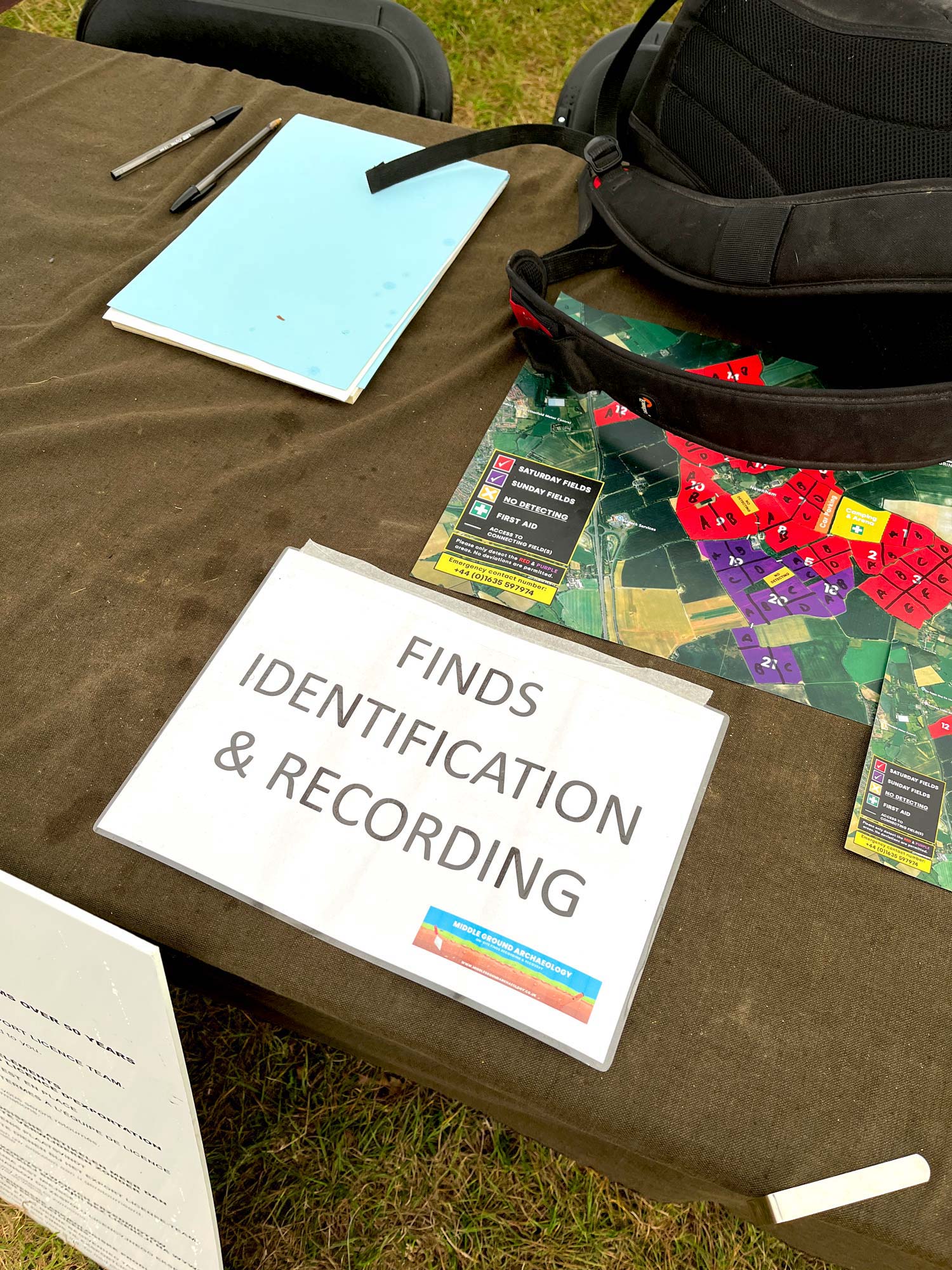
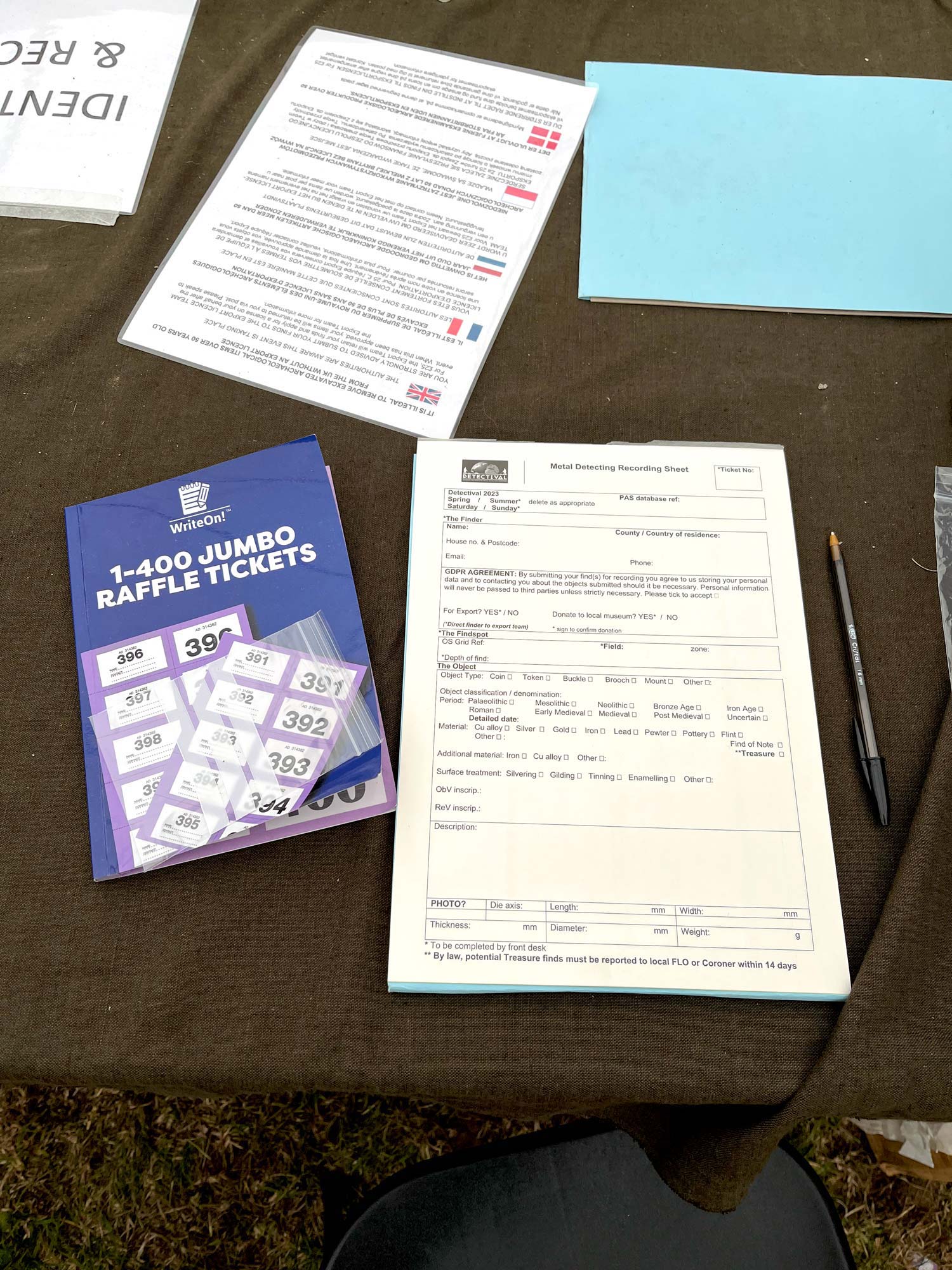
On Sunday I turned up at the finds tent a little before time and settled in with a nice cup of tea whilst introducing myself to a few others who were already there. The finds tent was due to open at 10:00am so at 9:30am Anni Byard introduced herself to us all and talked us through the processes we would be involved with for the day. I was tasked along with 3 or 4 others with recording the finds as they came in using the handwritten forms shown in Figs.8-9. This really did feel like being thrown in at the deep end as the detectorists and their finds came in thick and fast.
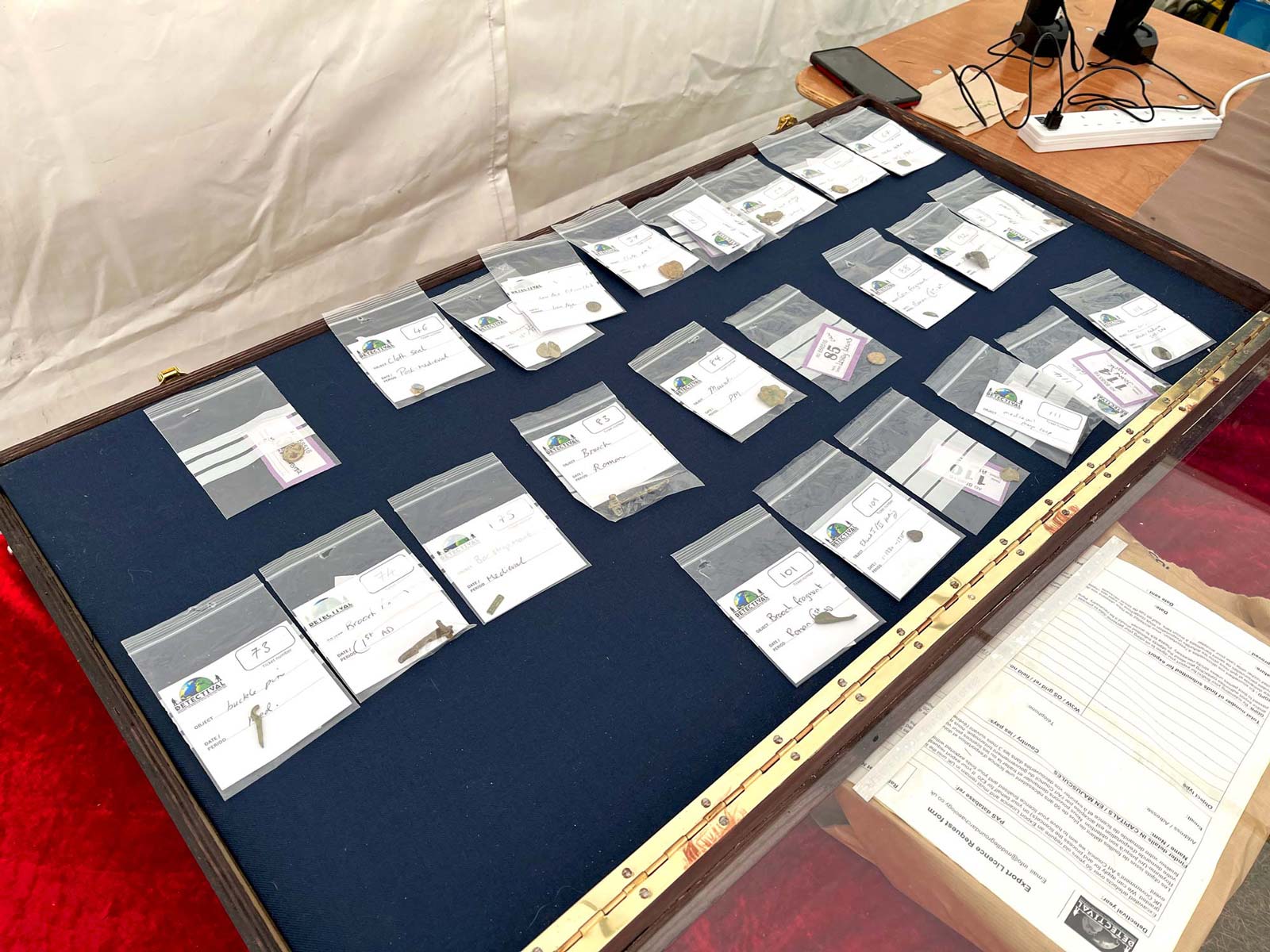
Initially I was going to write an article about the detectorists and their finds thinking that working in the finds tent would give me the time to talk to people, but boy was I wrong. The process of recording finds went as fast as we could write, and being that most detectorists had more than one find to record the pace was pretty slow. Each find had to be recorded individually with the details of the finder and the rough location of the find spot. The finds were then bagged with a numbered ticket, this number was written on the finds form and the other half of the ticket was given to the finder. The finds with their forms were then passed back to the brilliant archaeologists and finds specialists, who then went through the unenviable process of identifying, photographing and writing up their descriptions of the finds to complete the forms. Once this was done the find itself went into the return display (Fig.10) where the finders could present their numbered tickets and retrieve their finds.
Although the process was slow the day itself went pretty quick, probably the result of us being very busy for most of it. I’m grateful to have had the opportunity to work with the Middle Ground Archaeology team and to get a glimpse of what goes on when I leave my finds with my local finds liason officer. It has certainly opened my eyes to the incredible amount of work they have to do, and because our hobby is growing in popularity that work is becoming increasingly harder. Many detectorists (including myself) moan about the fact that we’re having to wait month’s, even years sometimes to collect the finds we hand in to be recorded. Currently I have waited over a year to pick up my latest set of finds, so I get the frustration that many (again including myself) feel about having to wait so long. But experiencing first hand the work that archaeologists, finds specialists and finds liason officers have to do recording finds, I now have a bit more understanding of their timescales and a little less frustration towards it. Talking to some of the archaeologists and finds specialists on the day it seems the problem is lack of staff which in turn is due to lack of funding, an issue which unfortunately isn’t felt by the Portable Antiquties Scheme alone.
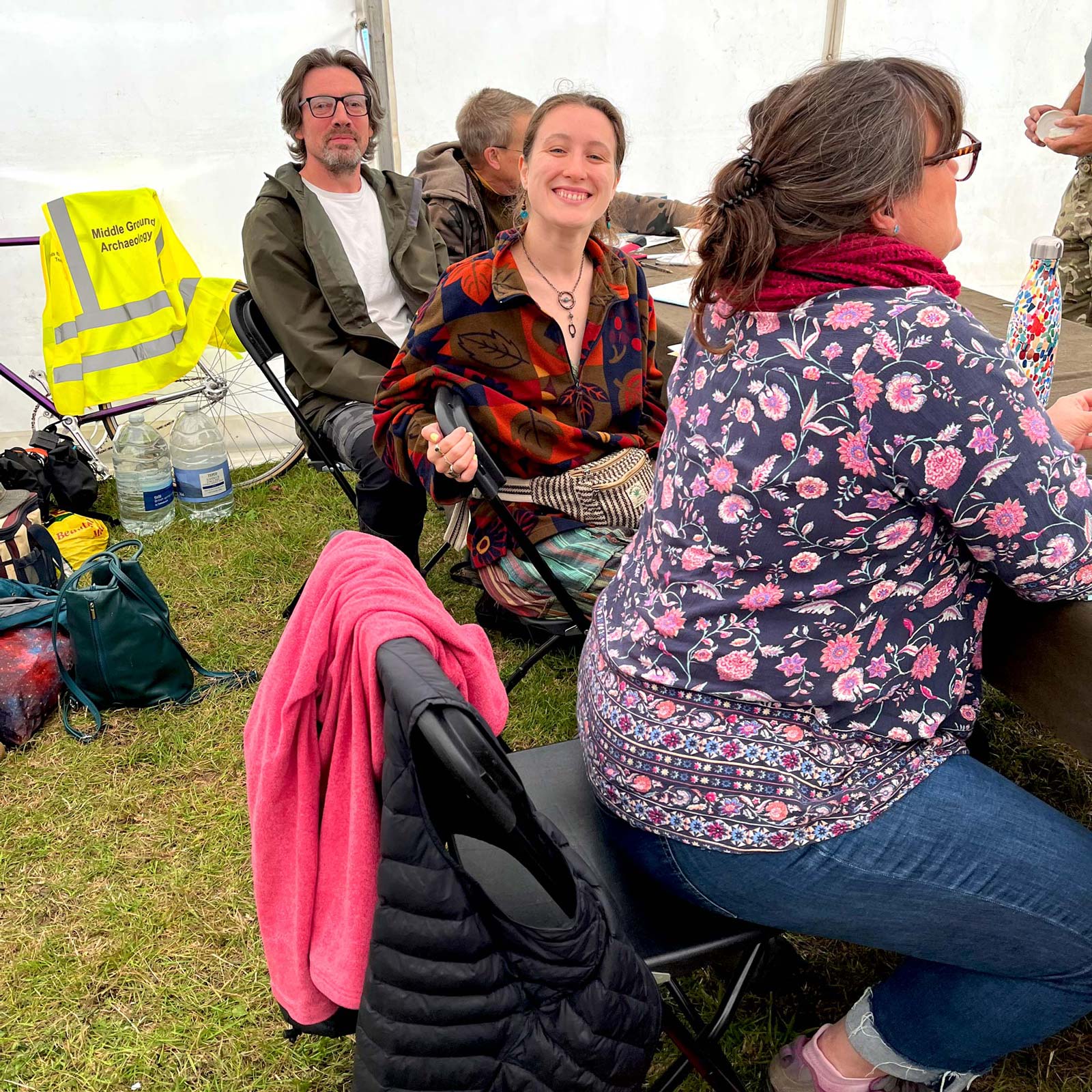
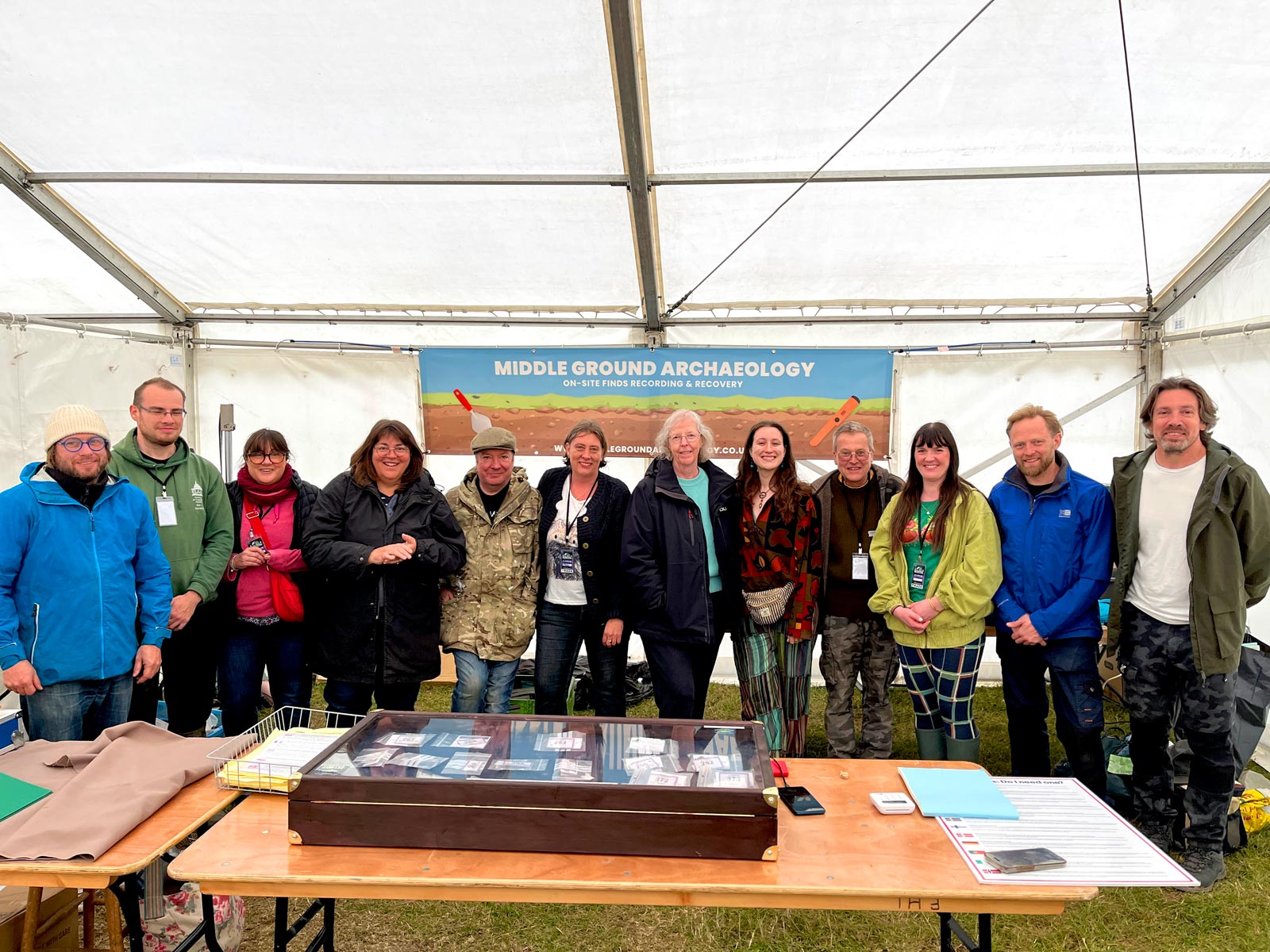
The day ended with a group shot of the finds recording team shown in Fig.11 (I’m on the right handside wearing a white t-shirt). This was a great combination of professional archaeologists, finds specialists and volunteers working together for the benefit of those detectorists giving up their time to search for history. I met some brilliant people and saw some amazing finds, although there was a small part of me thinking ‘those finds should have been my discoveries’. But on the other hand this permission is huge and I could spend the rest of my life detecting here and miss most of the things that were found this weekend, well thats the thought I’m comforting myself with.
Life after detectival
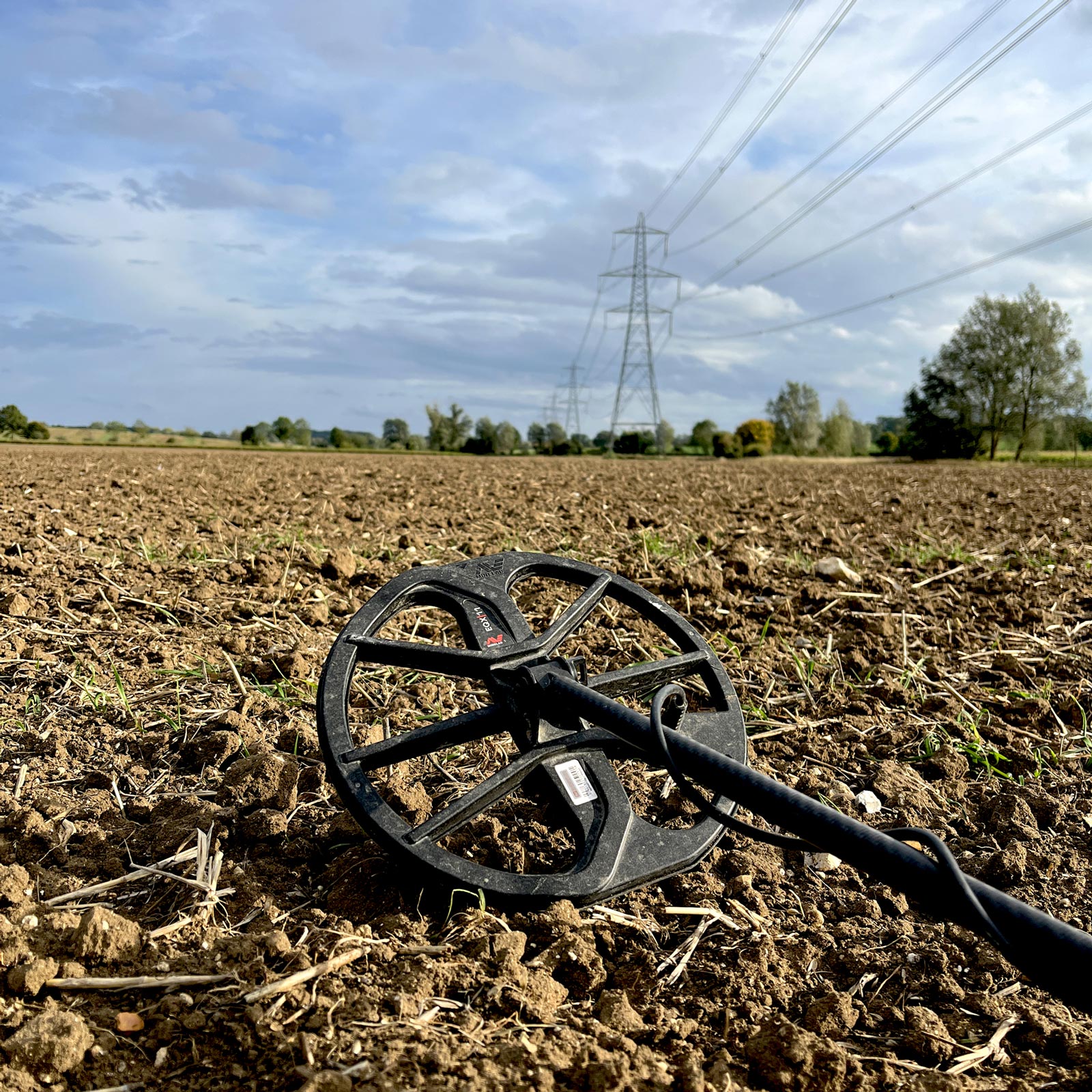
So now the behemoth event that is Detectival has left town and I’m back to the wonderful solitude on this permission (Fig.12). The event itself seemed to go pretty well and was extremely well organised. On the Saturday when I was part of the crowd everyone seemed to be having a good time. Wether they were detecting, eating from the food vendors, having a few drinks listening to live music, chatting to the various experts from the leading detecting brands or just enjoying the wonderful North Hertfordshire countryside, the atmosphere was great. What struck me most is that the detecting community is a welcoming, friendly and embracing one. I think it’s because of the passion we all share for this amazing hobby, that passion just ouses out of you when you’re chatting to fellow detectorists which in turn creates that friendly and embracing atmosphere. With the way things are in world events at the moment I think human beings need more of this kind of feeling, maybe detecting is the answer to world peace, lol.
Thankfully for me and the few other detectorists who detect here on a regular basis, some of the fields on this permission weren’t available to Detectival. This is manly due to crops still be in but it’s something we are incredibly grateful for. To stand in some of the fields directly after the event and look at the sea of footprints and refilled holes was quite depressing. Going into any field that was available to Detectival felt like a pointless endeavour as they were all the same, foot prints and refilled holes. So when the crops came out of the remaining fields it was a relief and game on again.
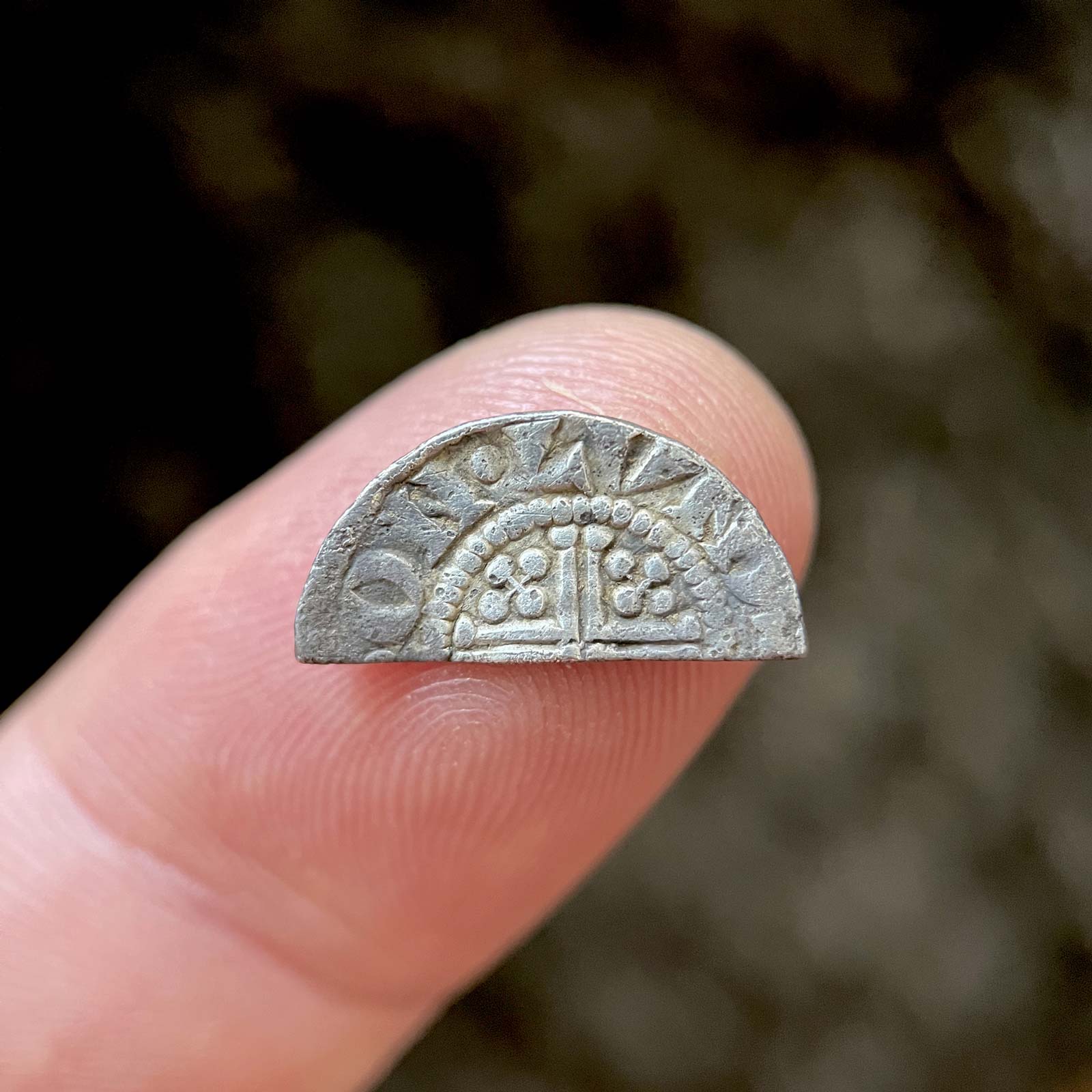
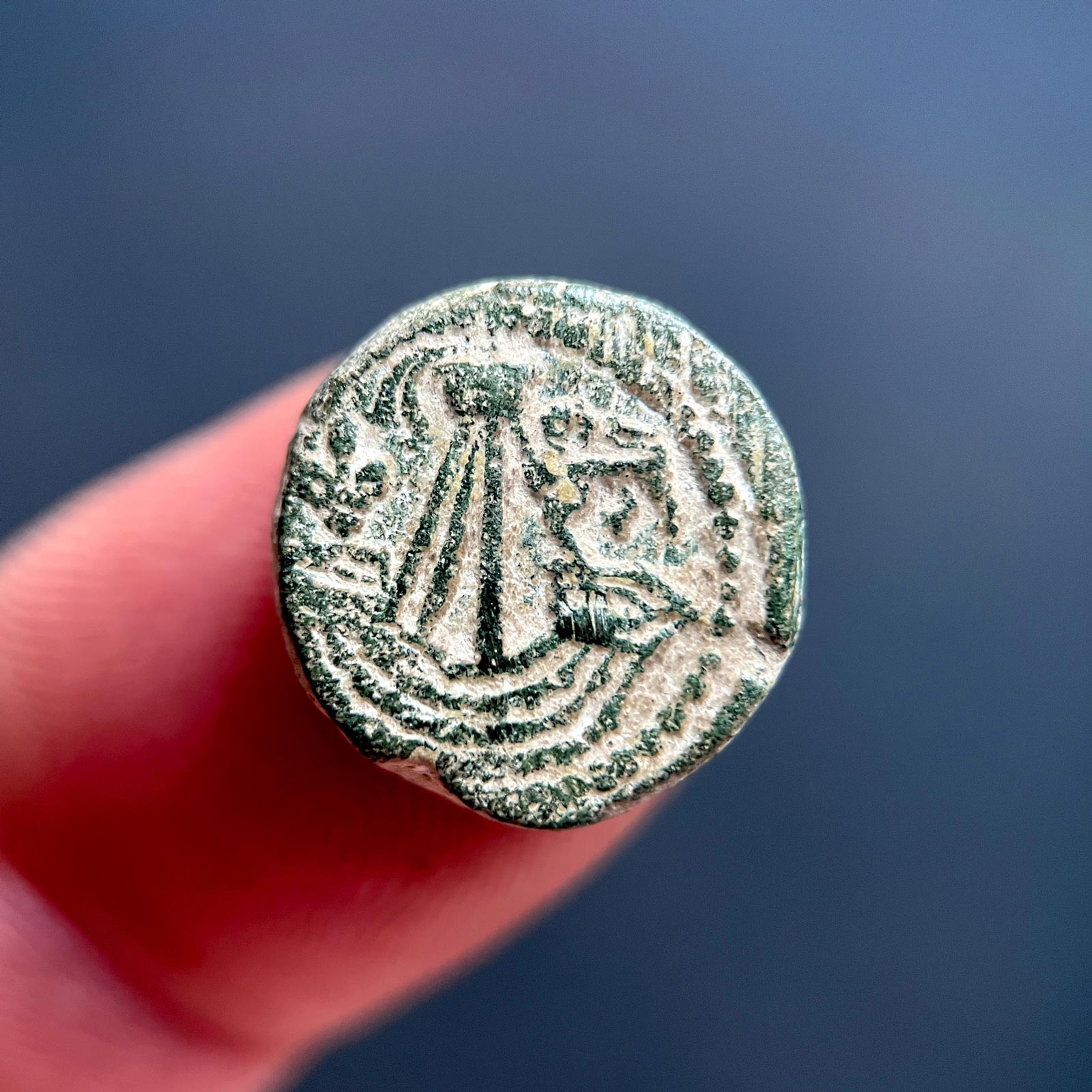
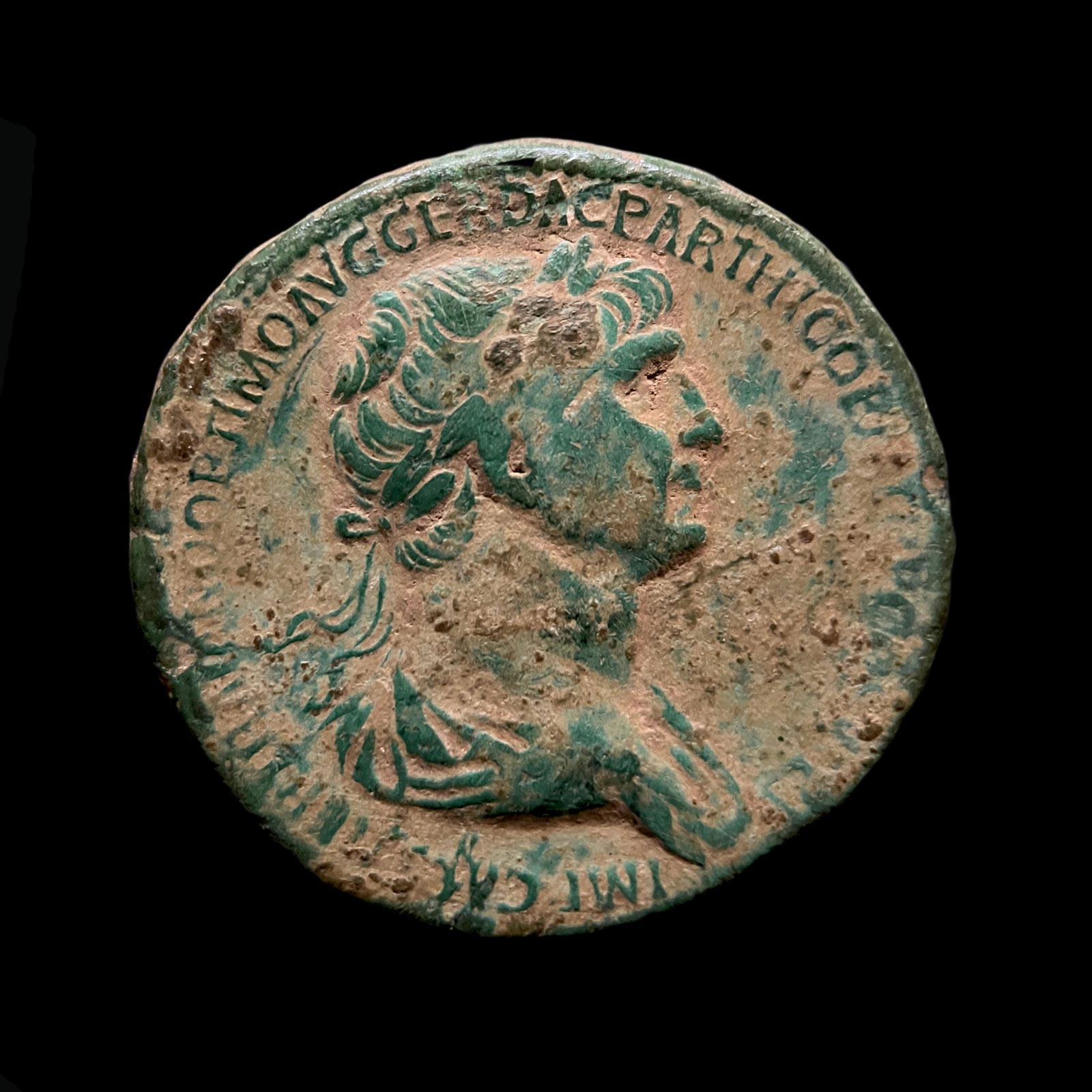
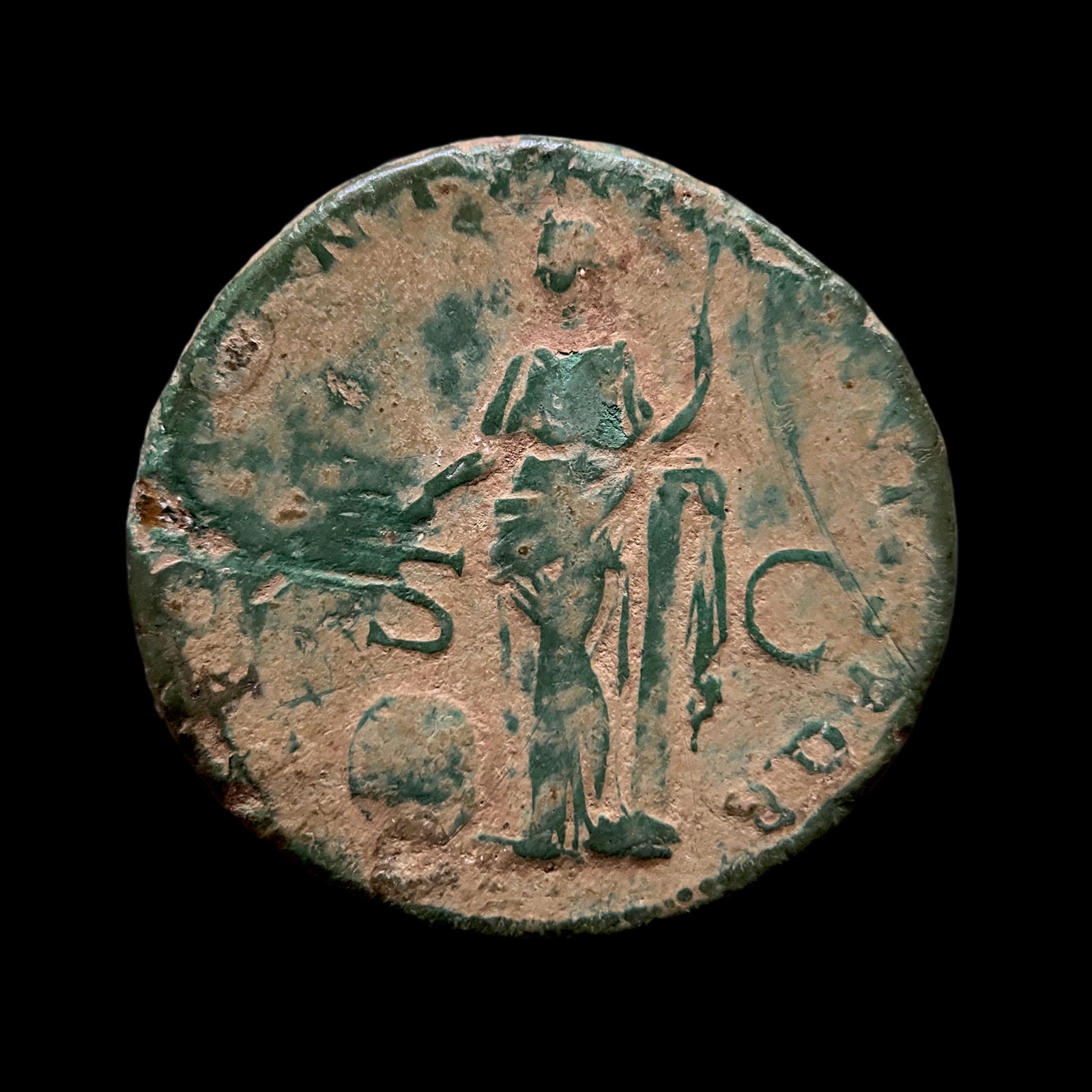
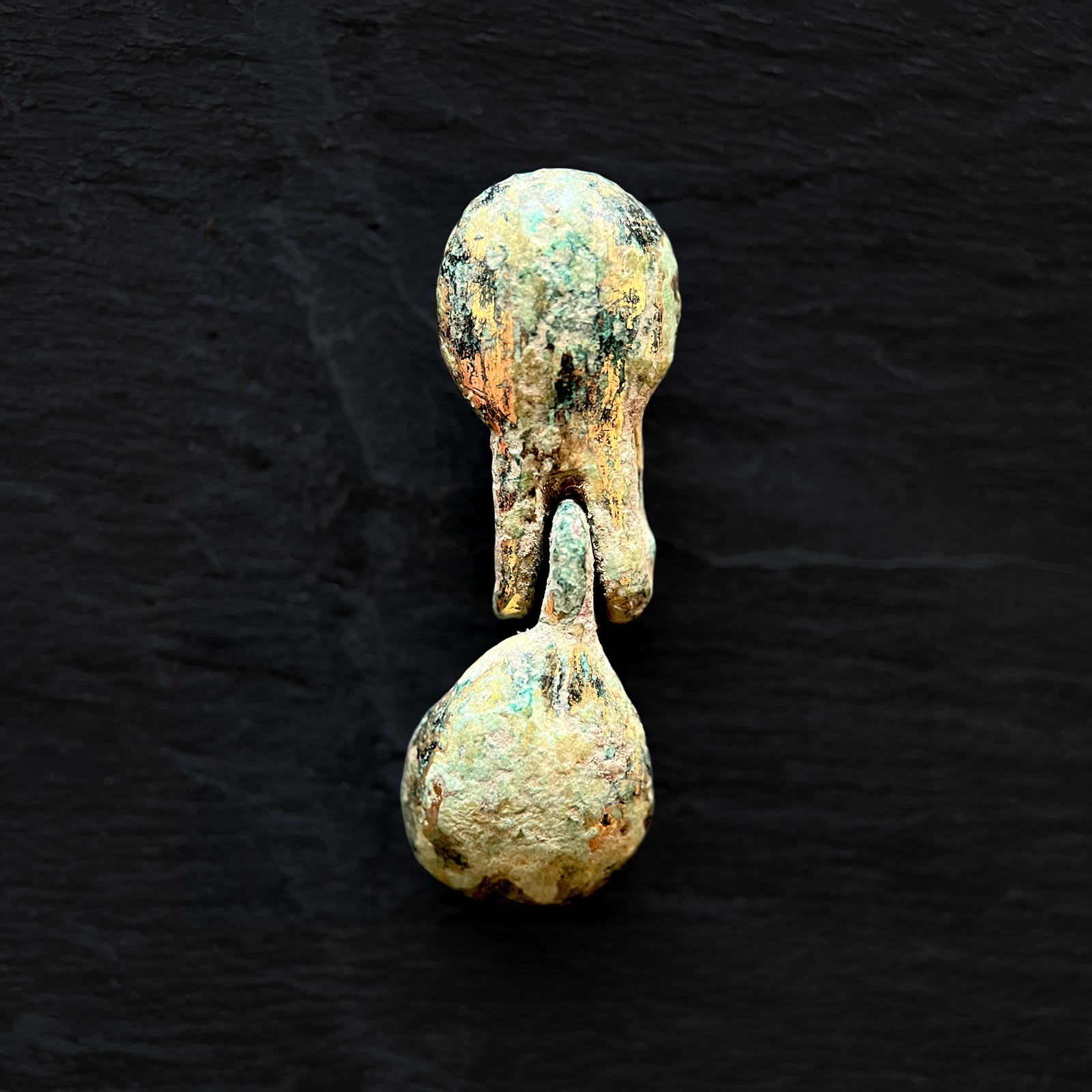
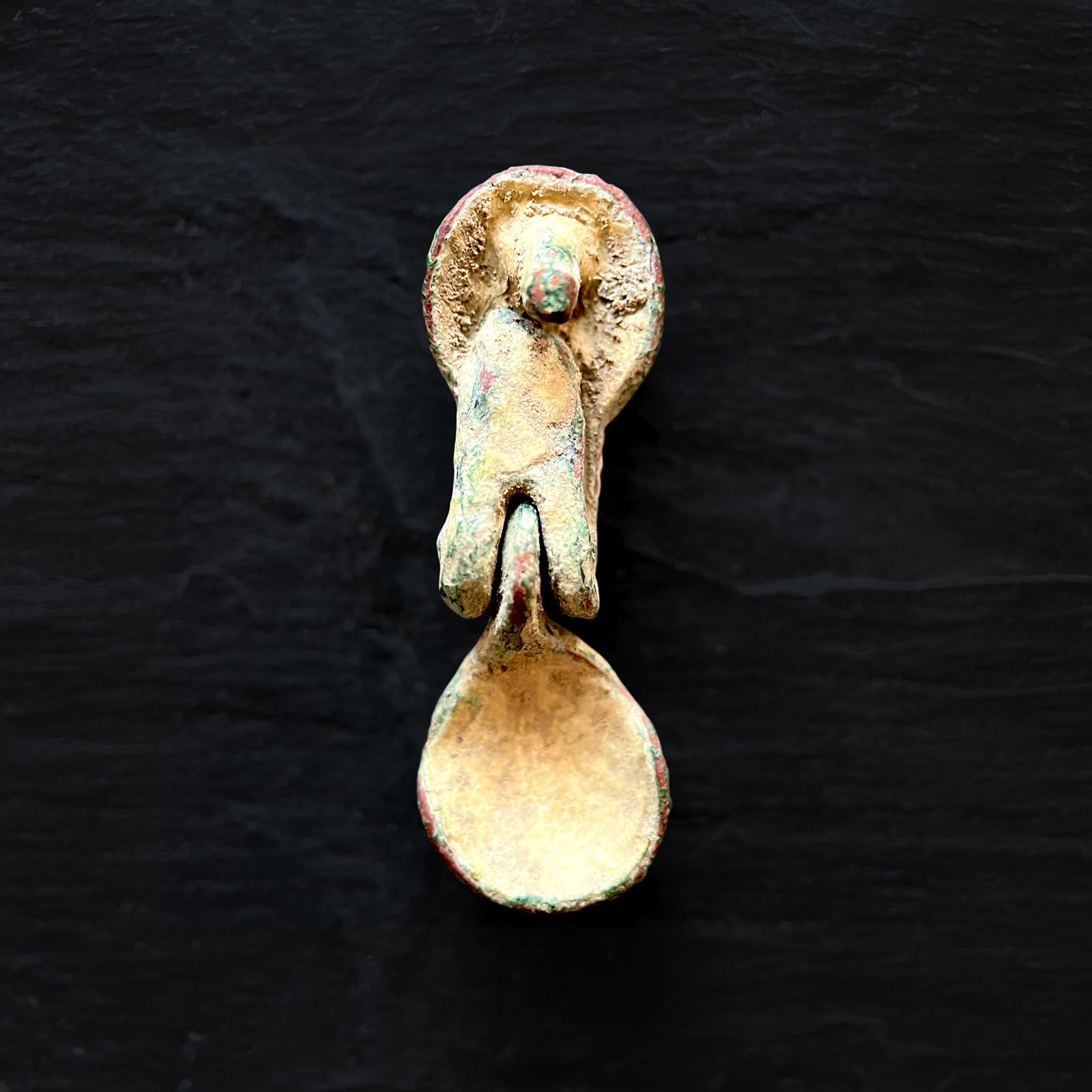
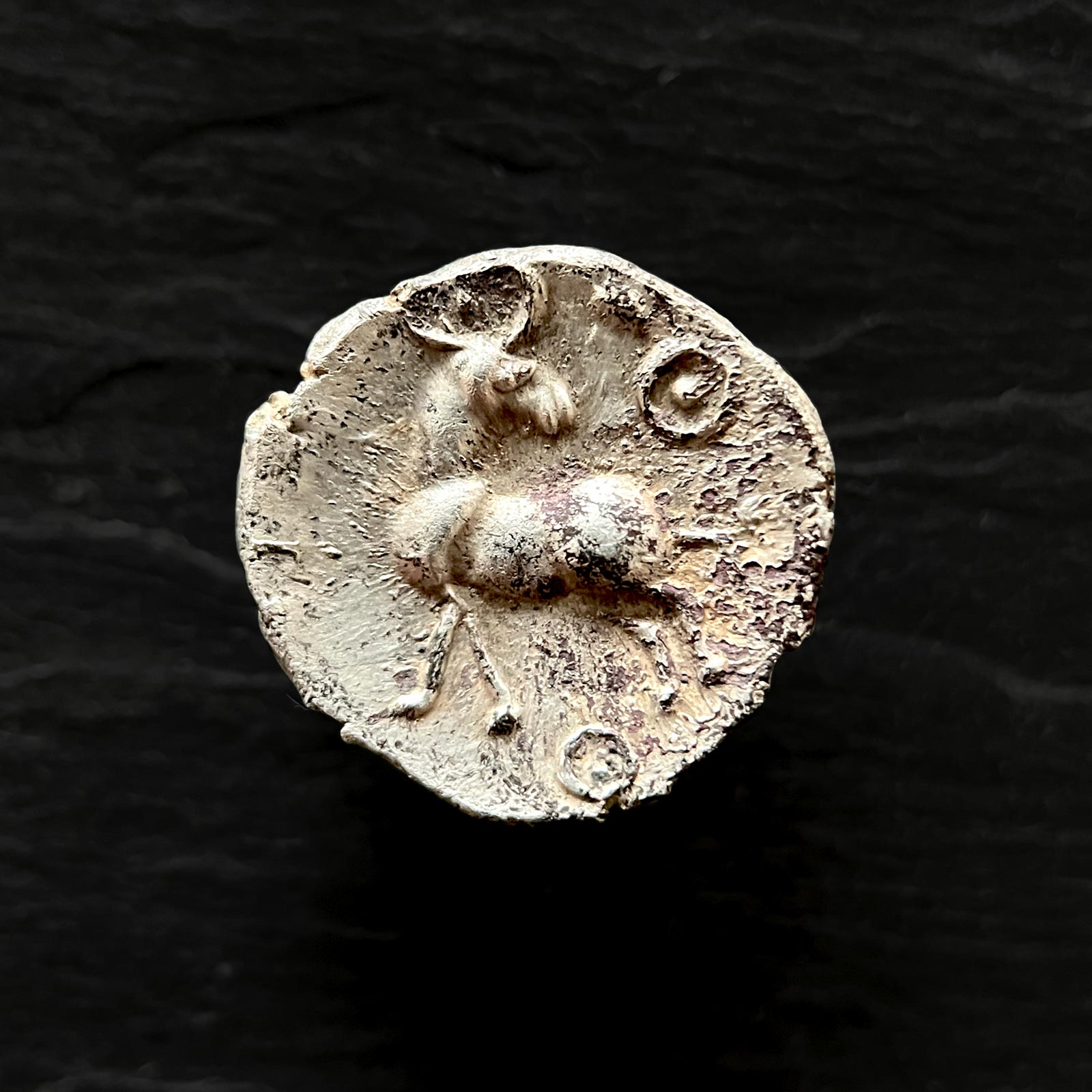
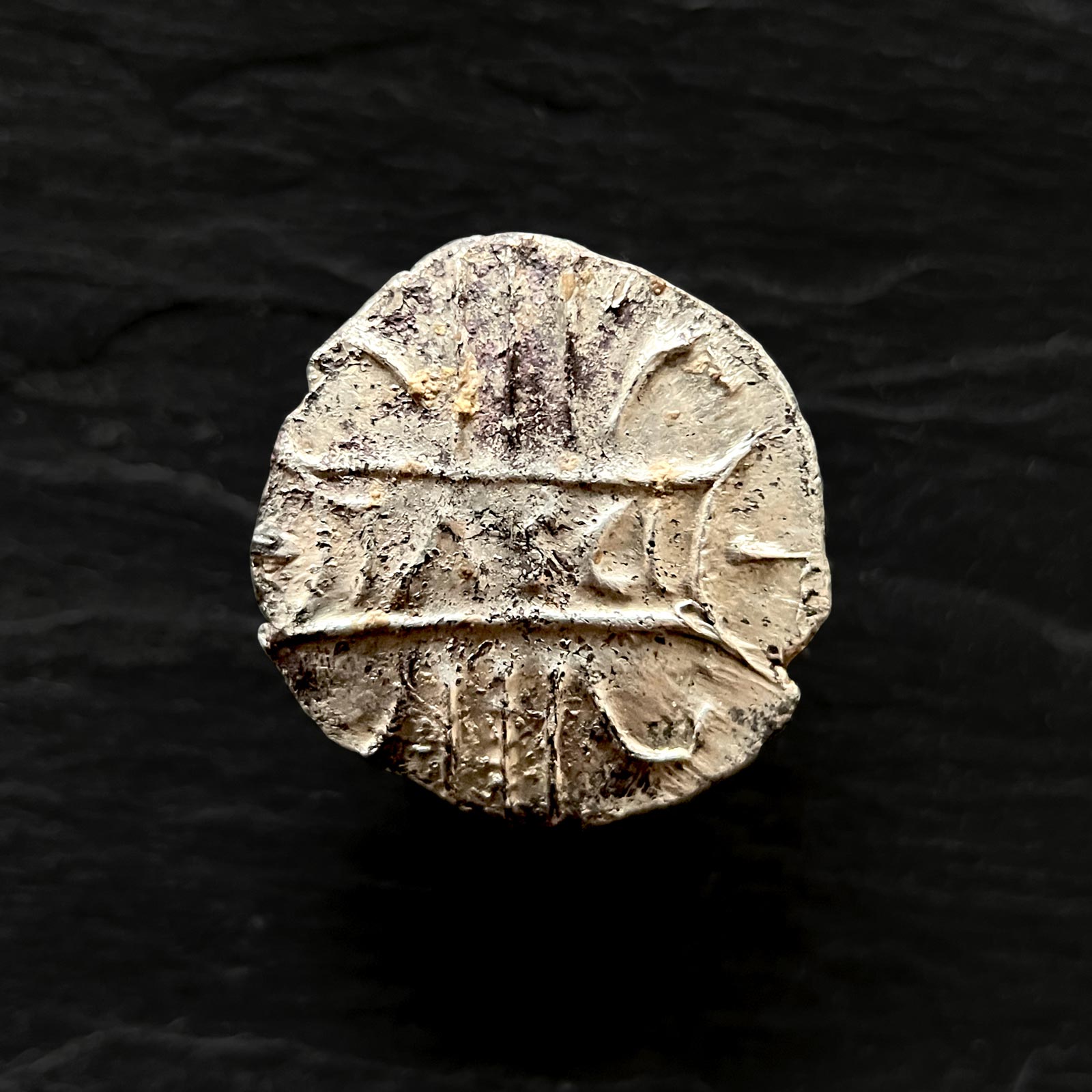
As you can see in Figs.13-17 some fantastic finds have come up for me since Detectival, some of my best from this permission in fact. The sestertius of Trajan is one of the best condition Roman coins I have ever found, with it’s size and weight making it such a lovely object to touch and hold. The silver ‘stag’ unit of Tasciovanus is one of the rarest objects I have ever found, with I believe only a dozen recorded examples. So this permission still has some burried secrets to give up for me to share with you which keeps me and my passion for this hobby very happy. I have no doubt that when the fields many of you experienced at Detectival are ploughed again they will bring up a few more amazing lost artefacts wanting to be found. And you can be absolutely sure, if I find them then I will share there discoveries with you on my Instagram feed. As always the link to my Instagram is just below, go on you know you want to follow the Hertfordshire History Hunter.