
Nighthawking
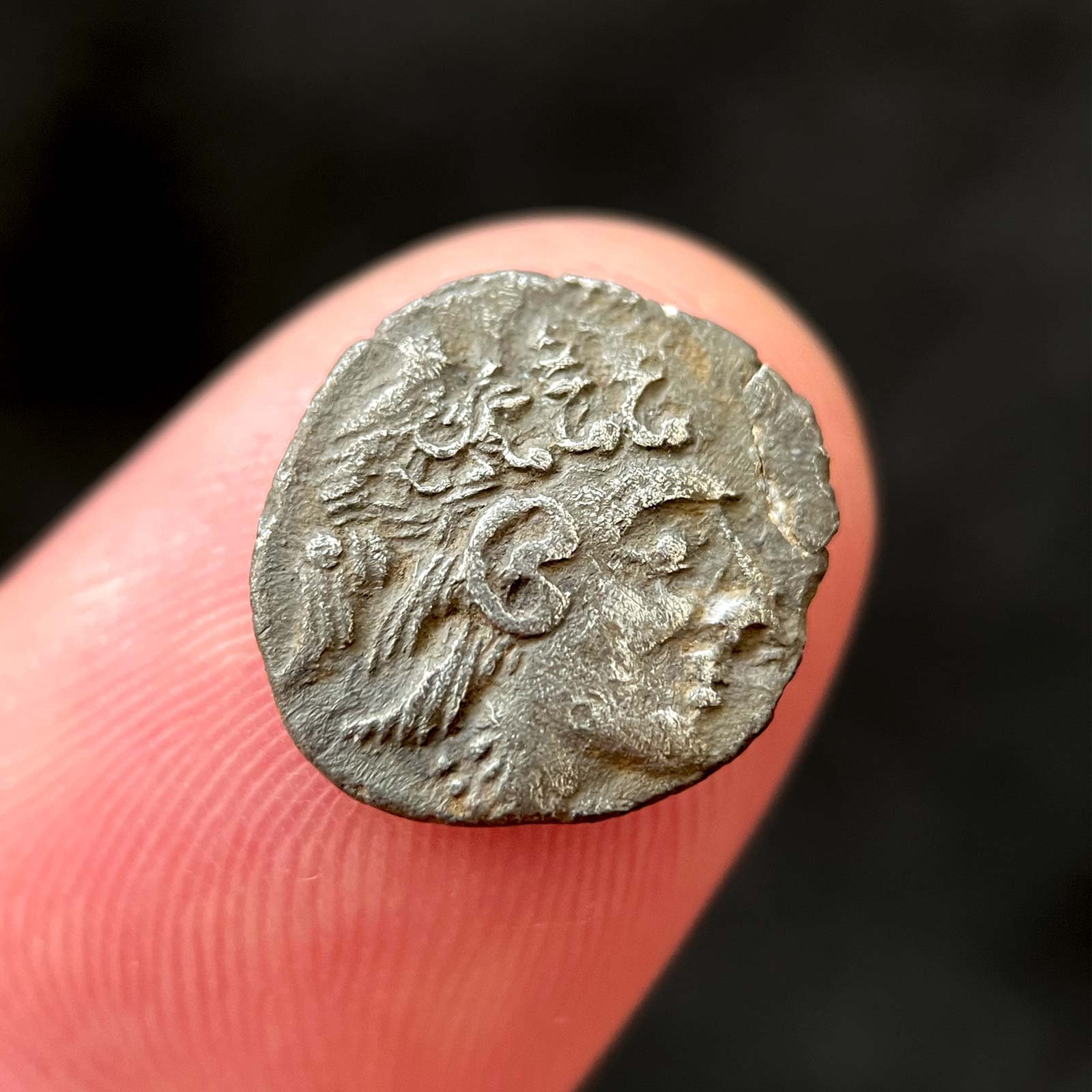
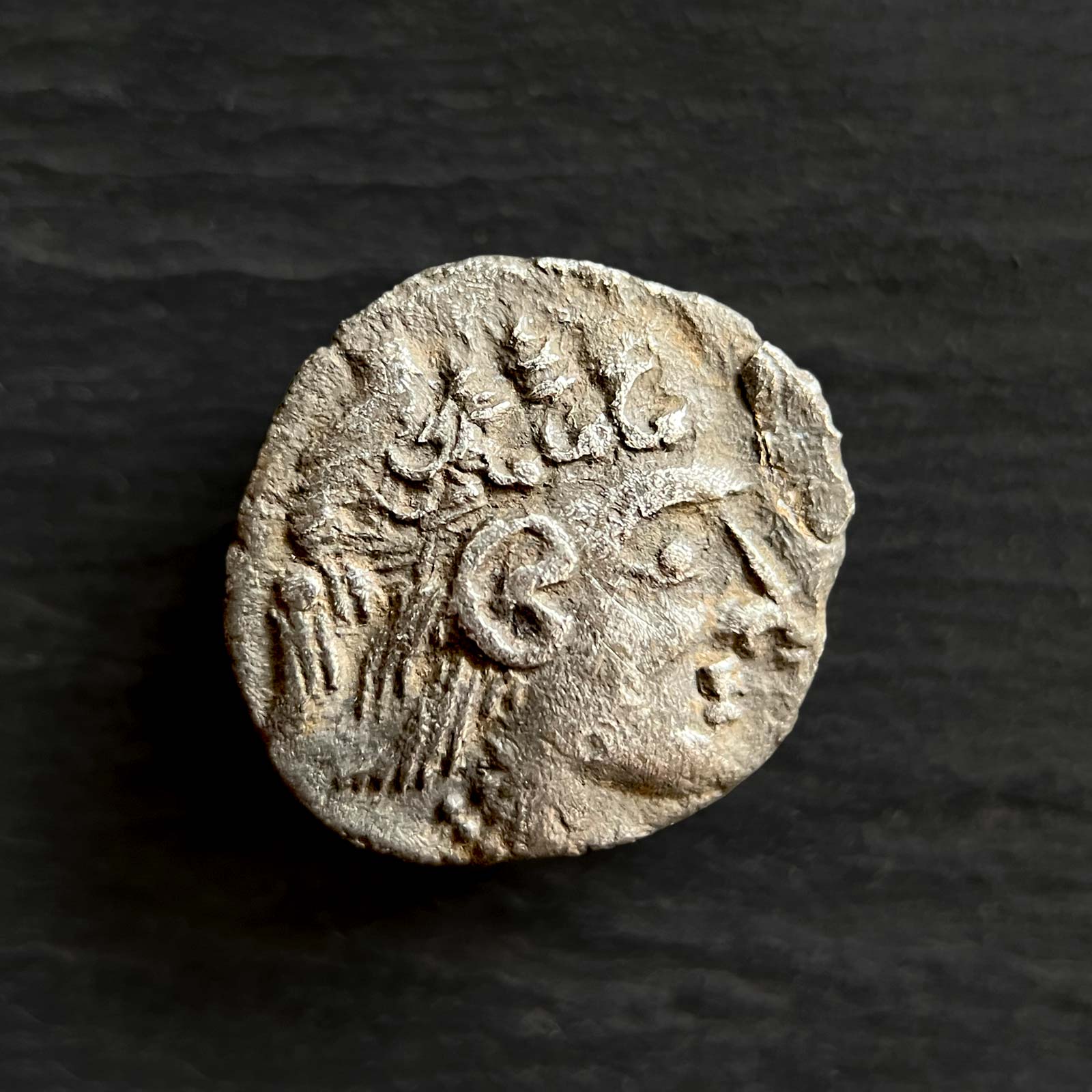
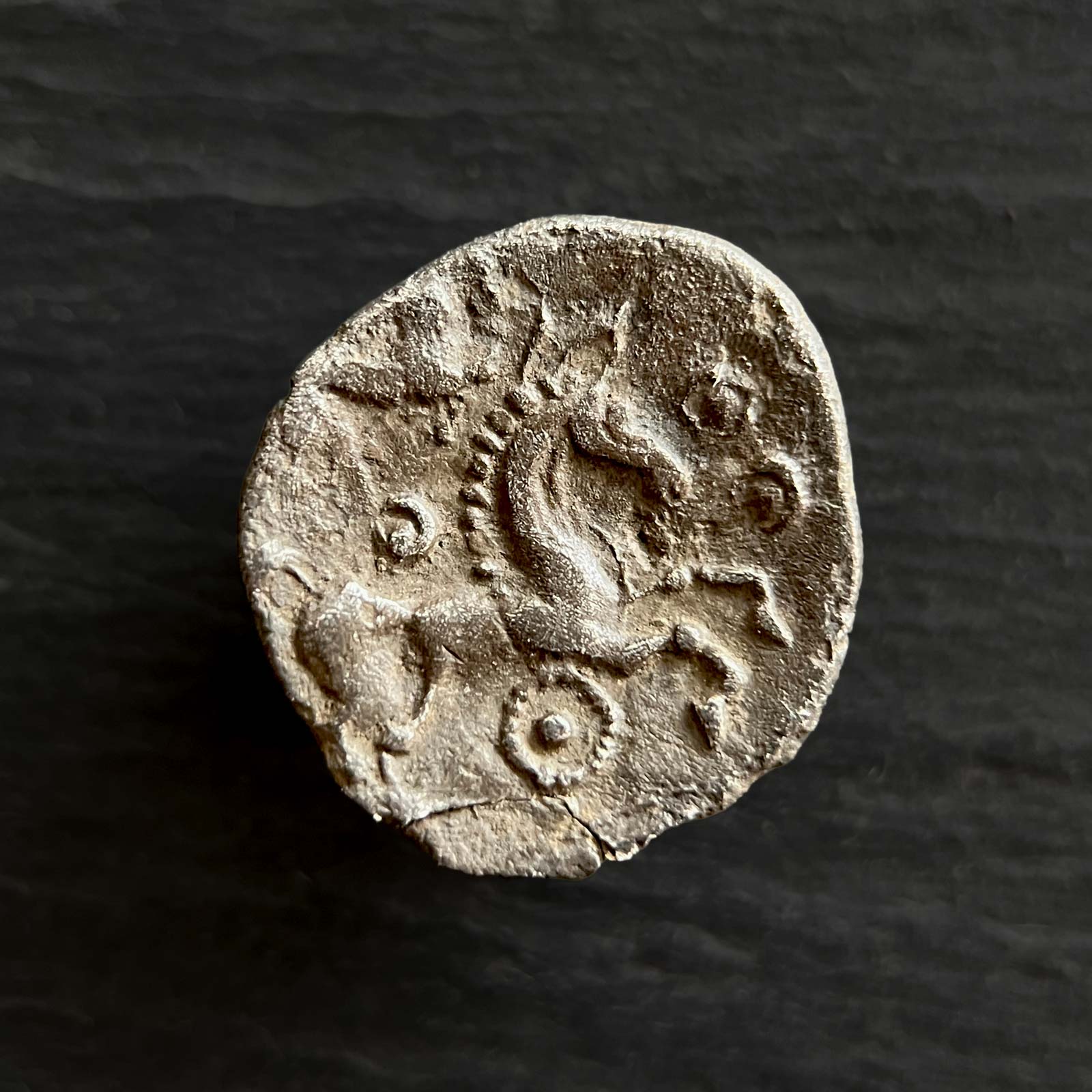
Nighthawking is not a subject that I really want to be talking about, but the circumstances in which I found this coin need calling out. This beautiful Iron Age coin that I found at the weekend is known as a ‘Hadham Heart Ear type’ silver unit, and it’s attributed to the North Thames region/Catuvellauni, dating to the period c. 60–20 BC (Figs. 1a-1b). Having contacted Liz at Ancient British Coins, it turns out that this little gem is extremely rare. This is what she had to say: “It is actually a type we call Hadham Corkscrew because of the hair. We’ve sold a couple of them; when we sold our last, there were eight others recorded, so it is likely still classed as an extremely rare type.” Needless to say, I’m over the moon with this find, but the situation in which I found it left me feeling incredibly sad.
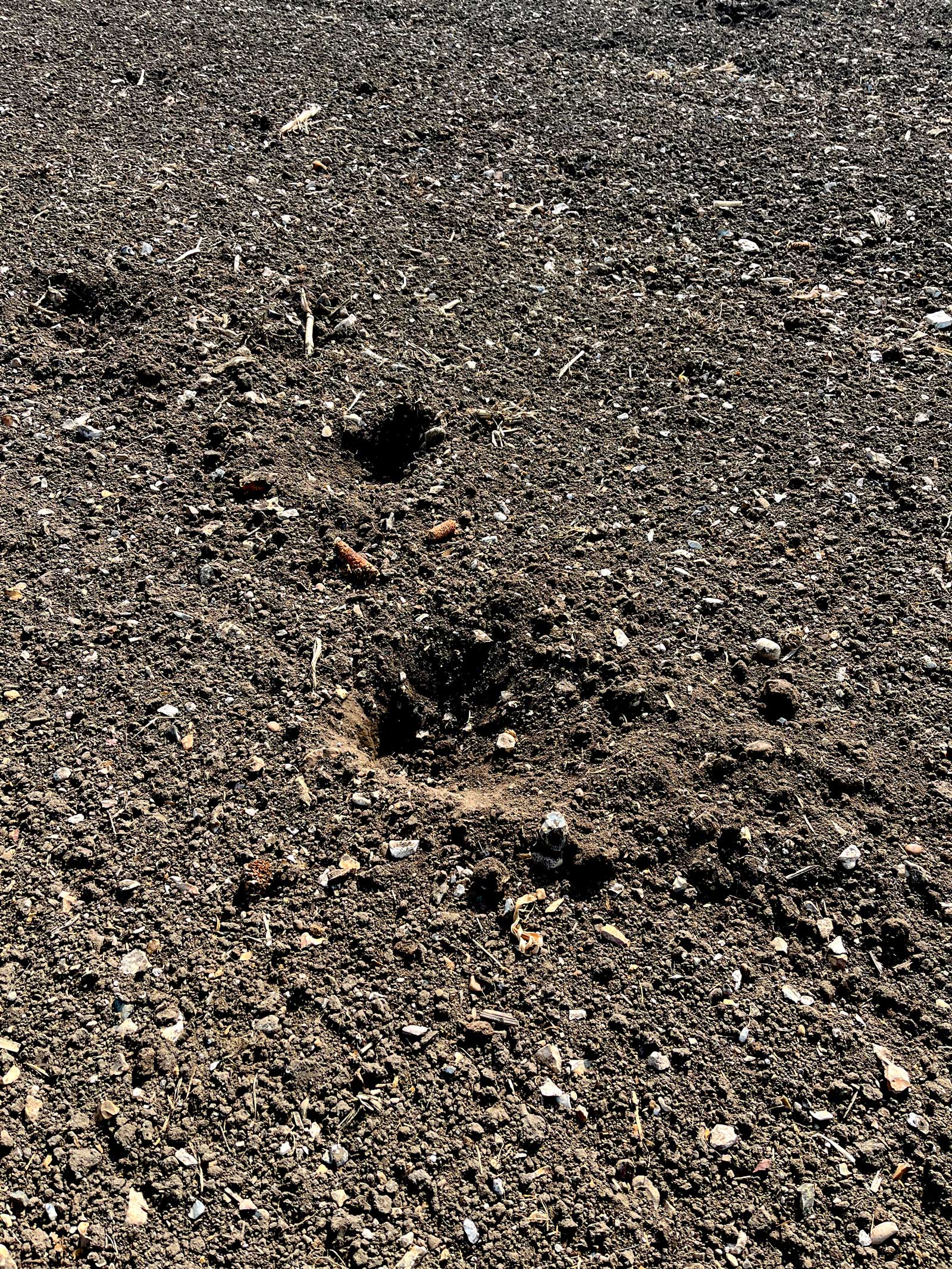
There is a bit of a walk from the road to get to the field in which I found this coin, and when I got there I was greeted with a sea of unfilled holes (Fig. 2). This field had a crop of corn in it which had been harvested, so at first I thought it must have been a herd of deer rooting for leftover cobs. But when I started inspecting the holes, it became apparent that it was nighthawks, because deer wouldn’t leave unwanted finds in the unfilled holes (Fig. 3). It must have been a group of them because there were hundreds of holes – it was honestly heart-wrenching. I actually thought, what’s the point detecting here now? If anything was here, it’s probably now been taken.
I wasn’t going to mention this bit, but actually it might resonate with some people. These days, at the age of 53, I find myself tapping into the more spiritual side of life—not in a woo-woo kind of way, but losing that need and want for material things and looking for connections with the natural world, and in turn with myself. For whatever reason, I decided to stay and do some detecting, and in that moment I knelt down, put my hand on the ground, and said, “Let me find you today.” Literally within ten minutes, this Celtic silver unit came up. I couldn’t believe it – the patch it came out of was surrounded by unfilled holes. It actually sent a little shiver down my spine. How on earth did they miss it?
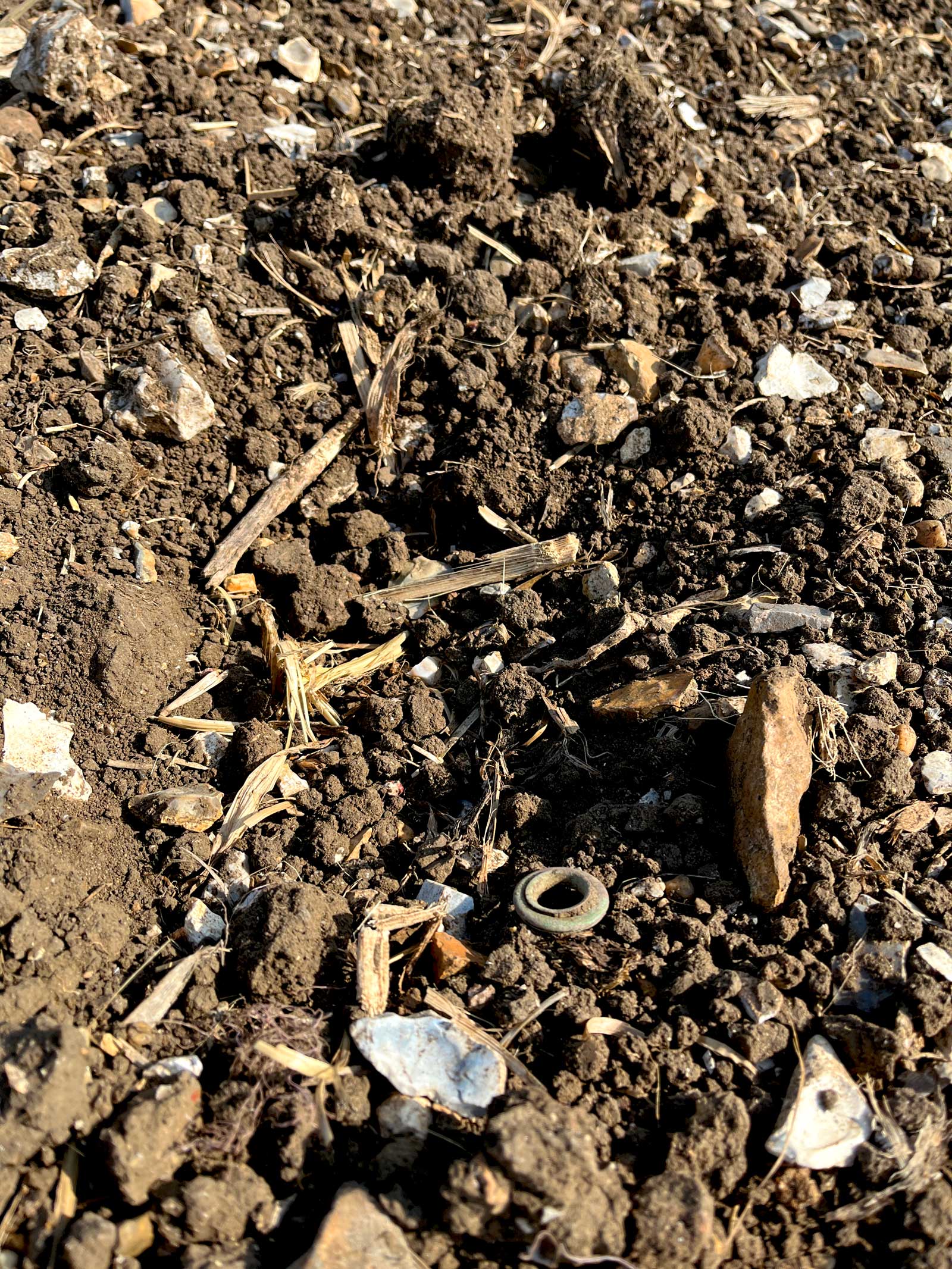
The field in question does have an Iron Age feature in it, which is probably the reason the nighthawks were there. The field had recently been deep-ploughed and raked, so they must have had their eyes on it for quite some time. It really is shameful that this stuff goes on, but how do we stop it? Those of us who detect responsibly, which is the vast majority of detectorists, are affected by this crap. Permissions are ever decreasing because of it, and I don’t blame the farmers for refusing permission when they see their fields full of unfilled holes and history being stolen. I guess all we can do is call it out when we see it and notify the landowners, in the hope that at some point they may be caught in the act and dealt with.
But at least this little chap won’t end up on eBay or the black market, and instead I can share it for everyone to see. This will now be the ninth coin of this type recorded – I think that’s pretty cool.