
Detecting with Shmee150
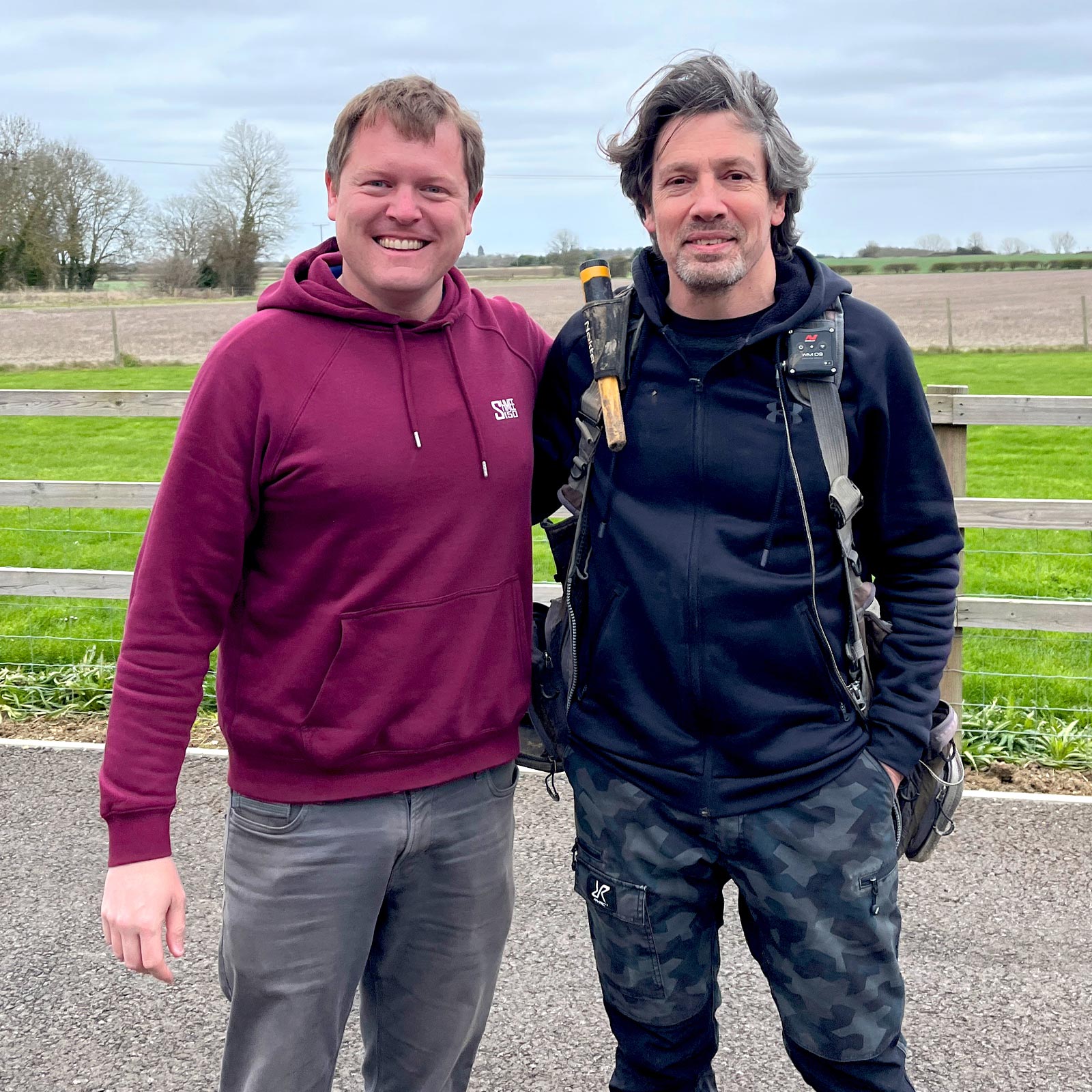
Wow, where do I begin with this one? Well, I guess it all starts from when I took up metal detecting again nearly six years ago, in September 2020. It was also around this time that I started following Tim’s ‘Shmee150’ channel on YouTube (Fig. 1). For anyone who isn’t familiar with Tim’s channel, his content is all about supercars and hypercars. The channel began about 15 years ago when Tim started filming short videos of supercars during his work breaks in London, which he then started uploading to YouTube. Over the years, due to a lot of hard graft, brilliant content, and great video production, the followers of the channel have grown to such numbers that it has allowed Tim to curate the collection of cars he has today (Fig. 2).


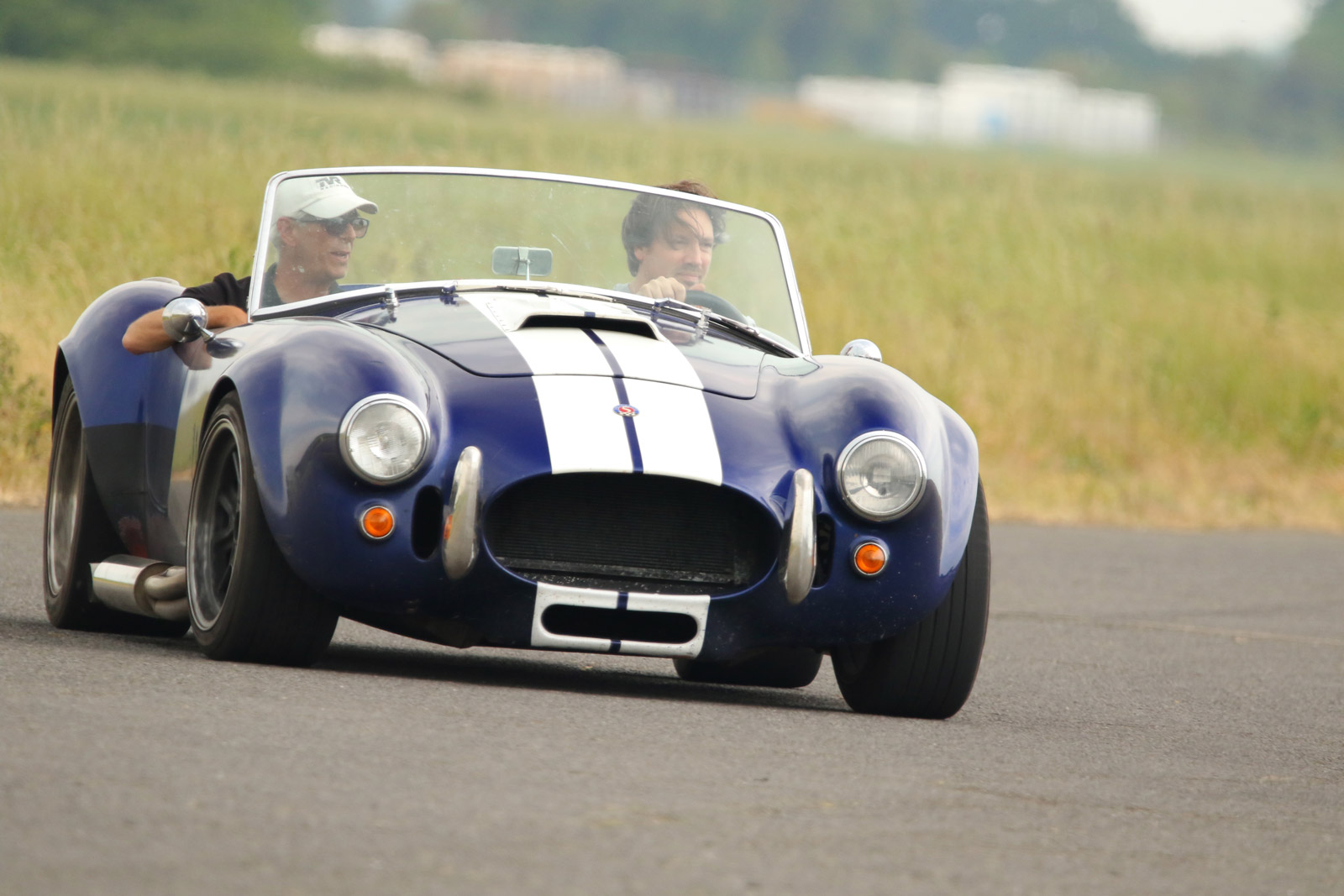
I’ve always had an interest in cars, ever since I was a young lad – not that you would know it by the car that I drive. But I remember watching a film in the late 1970s called ‘The Gumball Rally’, which started my love affair with my favourite car, the AC Cobra (Fig. 3. I had to include this, lol).
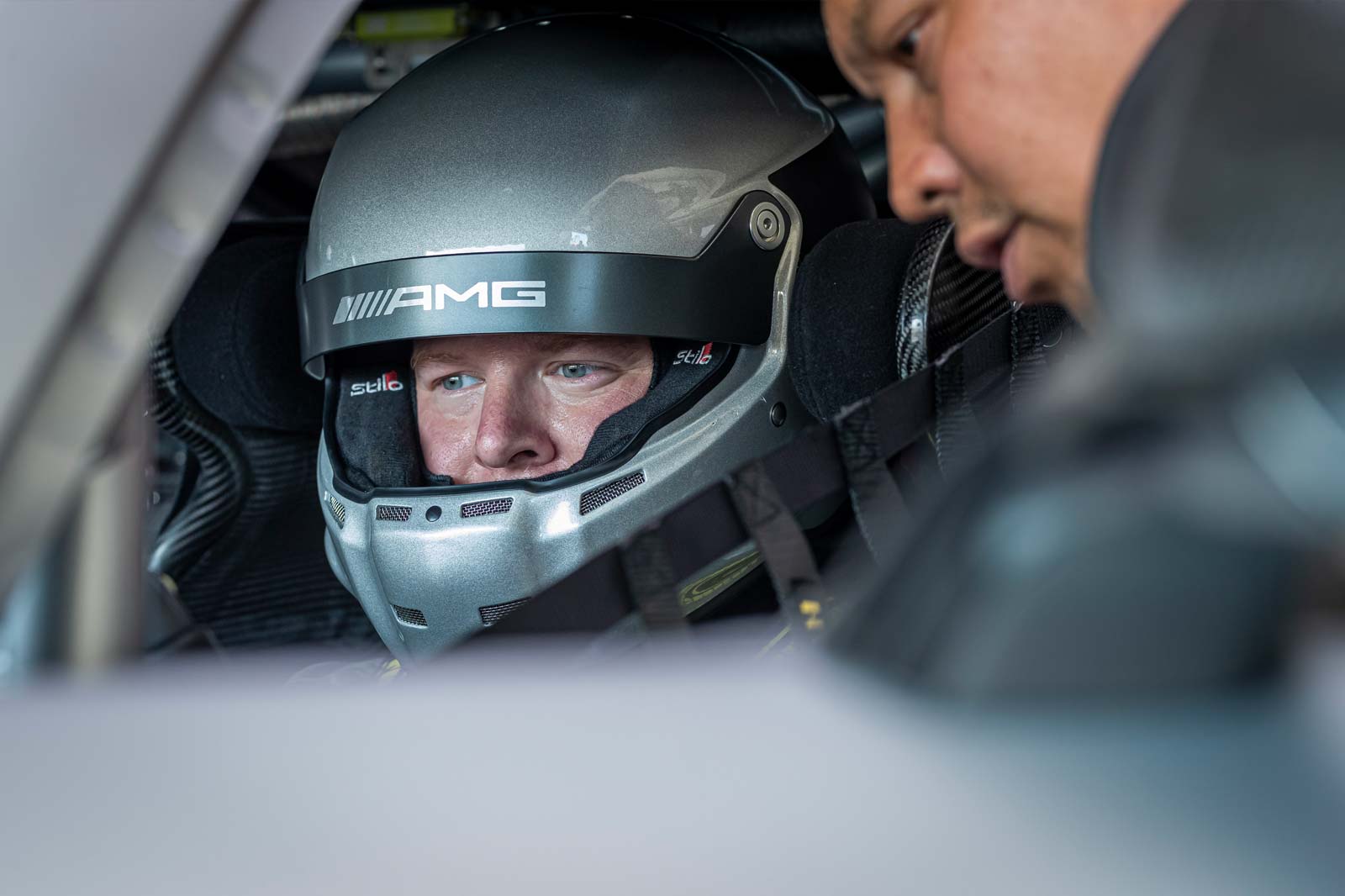
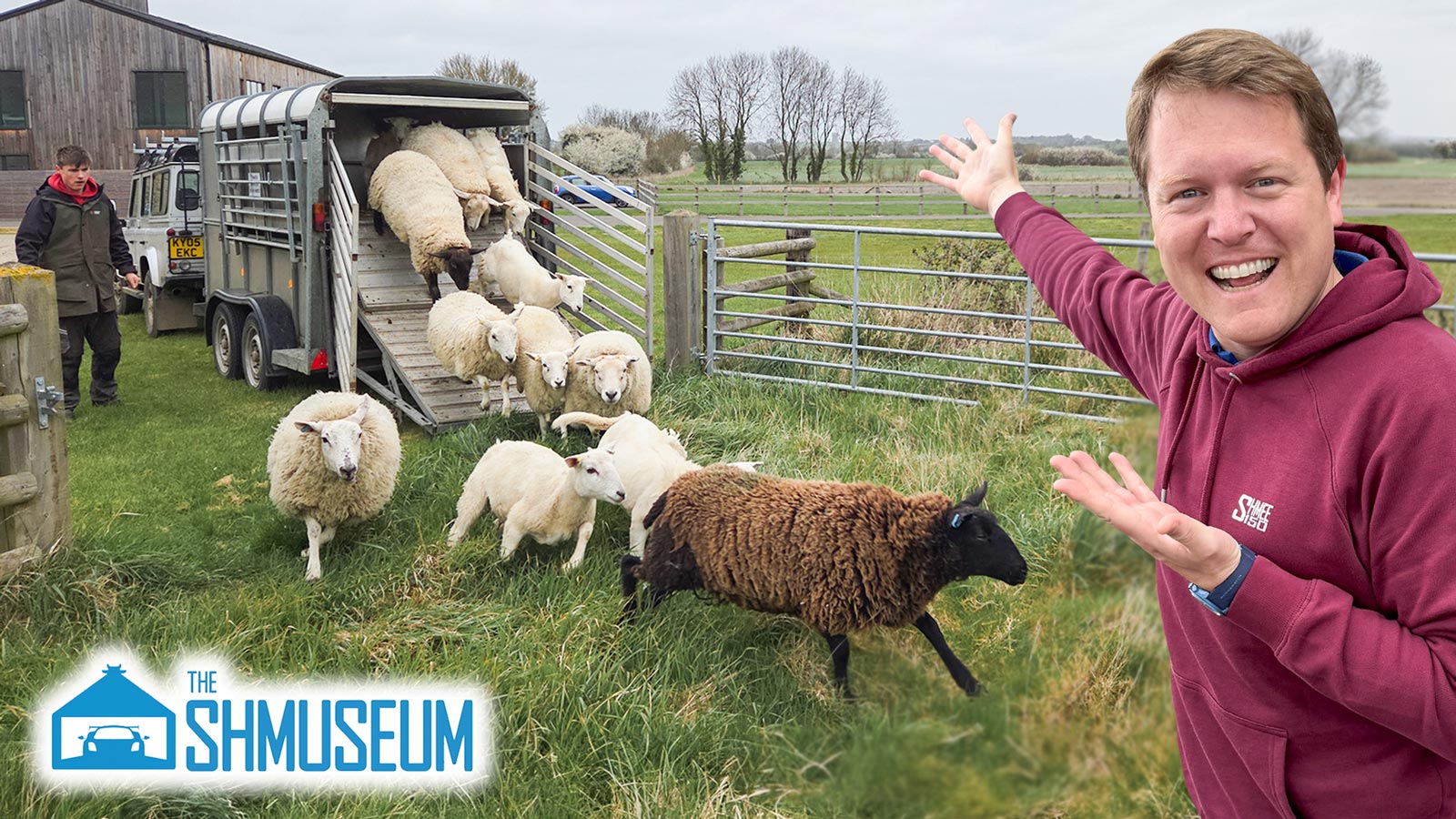
During the Covid lockdowns, I found Tim’s content to be a form of escapism, and I really enjoyed his presenting style. Not only did he come across as being incredibly knowledgeable about the cars, but you could see a genuine passion for what he was doing, and that felt very authentic. The other thing I liked about the channel is that his car collection didn’t just sit in the garage; he actually drove the cars as intended, taking them on race tracks (Fig.4) and epic adventures – not just in the UK; he did this globally (Fig.5) . So I became a subscriber to his channel, never thinking that my passion for metal detecting would one day see me feature in one of his YouTube videos, but here we are (Fig. 6).

A new permission
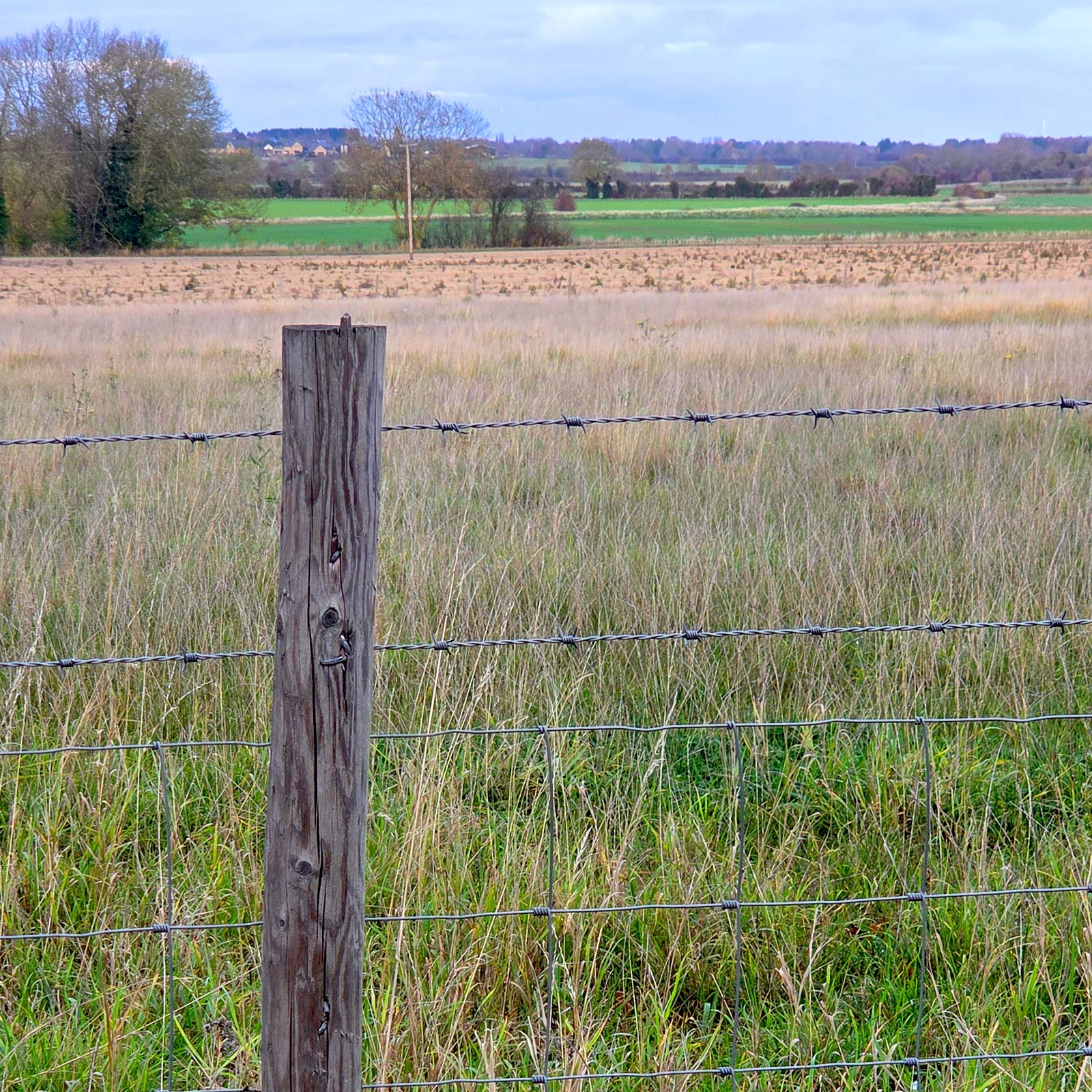
So, moving to the present day, this all came about because of an Instagram post that Tim shared about a post. This was a fence post to be specific (Fig. 7), along with a question asking if anybody knew of a company that could provide the same kind of fencing in Hertfordshire. It was ‘Hertfordshire’ that grabbed my attention because that is my neck of the woods. I could see in the background of the picture that there were some fields, so I replied to the post, saying, “Ooohh, that land looks perfect for metal detecting, are you the owner Shmee?” I honestly didn’t think I would get a reply, but reply he did: “Owner, yes, I hadn’t even considered metal detecting on it.”
From that point on, we had about a month of back and forth over email, trying to arrange a suitable date for me to come along and do some metal detecting on his newly acquired land. Tim had literally just moved to the area, buying a property which he and his wife, Anna, consider to be a forever home, but it also has enough land to build a new garage to house his car collection, known as ‘The Shmuseum’ (Fig. 8). This has created a new avenue of YouTube content for Tim, following his journey with the new property and the creation of a brand-new Shmuseum.

A twist in the tale
Those of you who are regular readers will know that I have written quite a few articles for Treasure Hunting Magazine to date, something which has turned into a hobby in itself and one that I really enjoy. So I asked Tim if he would mind me writing an article about detecting on his land, to which he replied, “Absolutely, no problem at all, and maybe we can feature you doing some metal detecting in one of our videos.” This was a twist I didn’t expect, and it turned my first time detecting on his land into more of an adventure than my usual detecting escapades hunting for buried history.
Time for some research
With any new permission, I will do the necessary due diligence, and with Tim’s land being just five minutes down the road from me, I already knew a lot about the area. It’s local common knowledge that there are the remains of a motte-and-bailey castle and the site of an Anglo-Saxon settlement, with an associated burial ground nearby. But what I didn’t know is that there is a suspected Romano-British temple site in the vicinity too. I found this out by talking to the retired archaeologist Gil Burleigh, who said, “There is a probable late Iron Age and Romano-British temple site nearby. We’ve recorded finds made by metal detectorists in the 1990s, including probable votive objects such as a miniature votive axe, coins, and brooches, etc.”
So, there is a lot of stuff going on in the area in a historical sense, which got me quite excited, but as I have learned from previous experiences, I needed to curb my enthusiasm. Part of my research included looking on the Portable Antiquities Scheme database to see if any metal detecting finds had been recorded in the area. The PAS database will let you search for items found within a 1 km square, and the grid reference for the 1 km square that Tim’s land sits within came up with… nothing.
As I have come to learn from my research on other sites, this doesn’t necessarily mean that nothing has ever been found here. It may be the case that things were found before the Portable Antiquities Scheme was set up, in which case finds weren’t required to be reported. It could be that things have been found here in recent years but, for whatever reason, they haven’t been handed in for recording – unlikely, I think. But there is also the possibility that no metal detecting has ever taken place here, in which case at some point on this journey we may find some good history.
Not what I was expecting
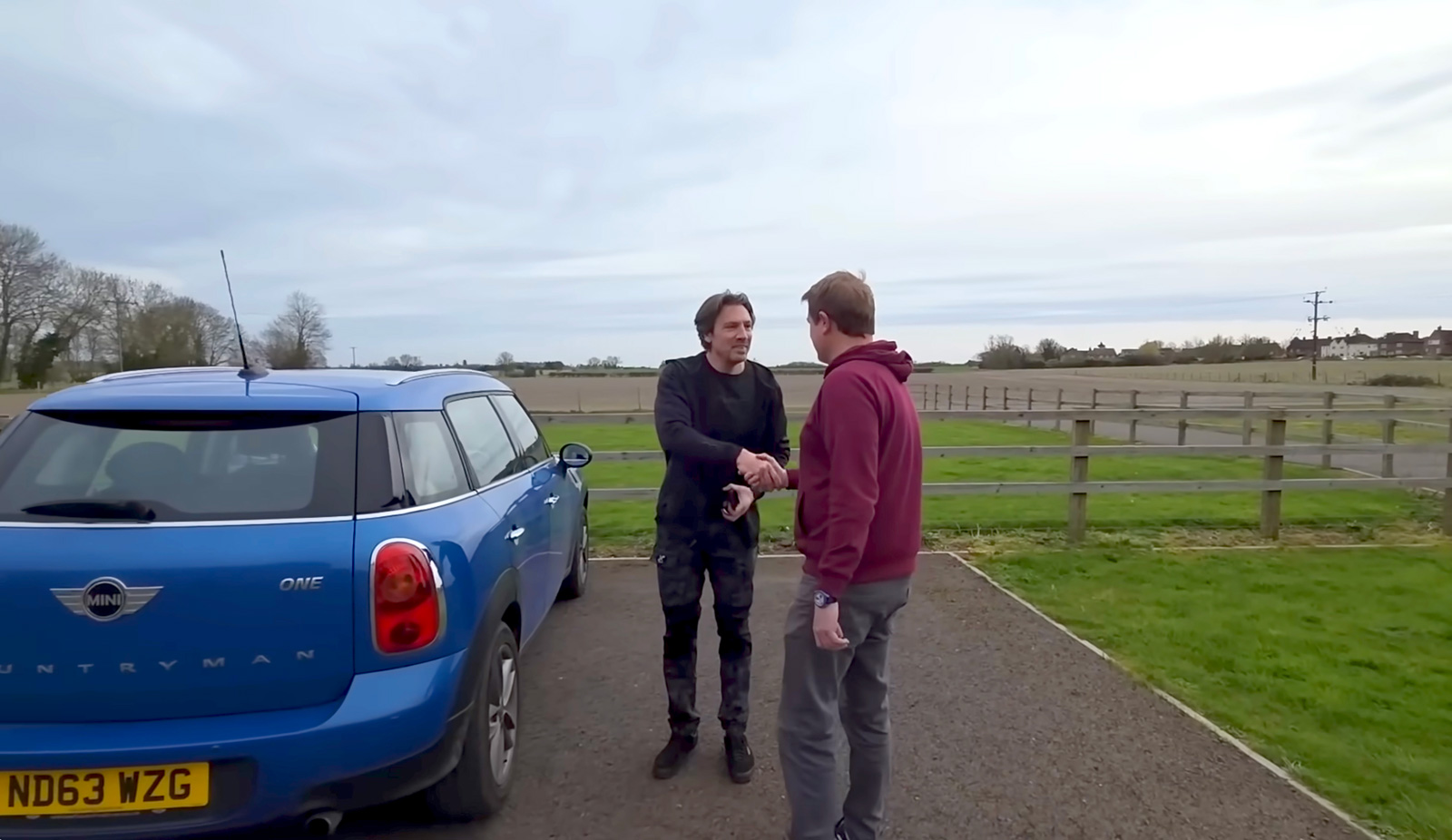
On the morning I arrived at Tim’s property, I wrongly assumed that because we had never met in person before, we would introduce ourselves and have a chat before any filming took place – how wrong could I be? For anyone who has seen the video in which I appear, our first meeting is as you see it (Fig. 9). From the moment I was coming down the drive, I could see Tim and his wife, Anna, were already filming. It then dawned on me that there was going to be no prep, and my heart sank. I honestly thought the filming Tim wanted to do would just be a couple of minutes of me detecting, so I wasn’t prepared for the full-on chat, which, if you watch the video, you can probably tell. For some reason, in my flustered state, my research brain switched on and totally off the cuff I started telling Tim about the history that surrounds his plot of land – it’s a good job I like doing my research!
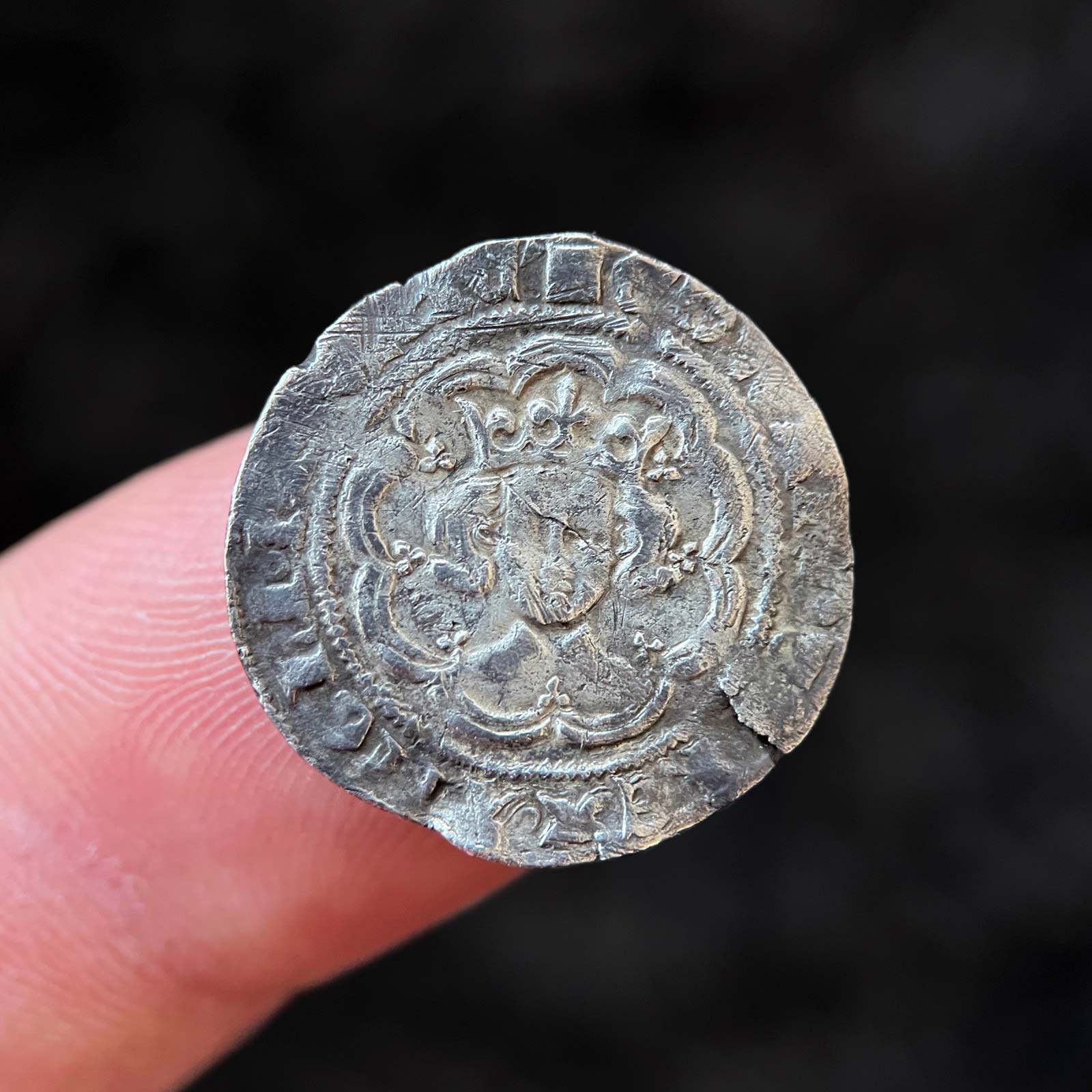
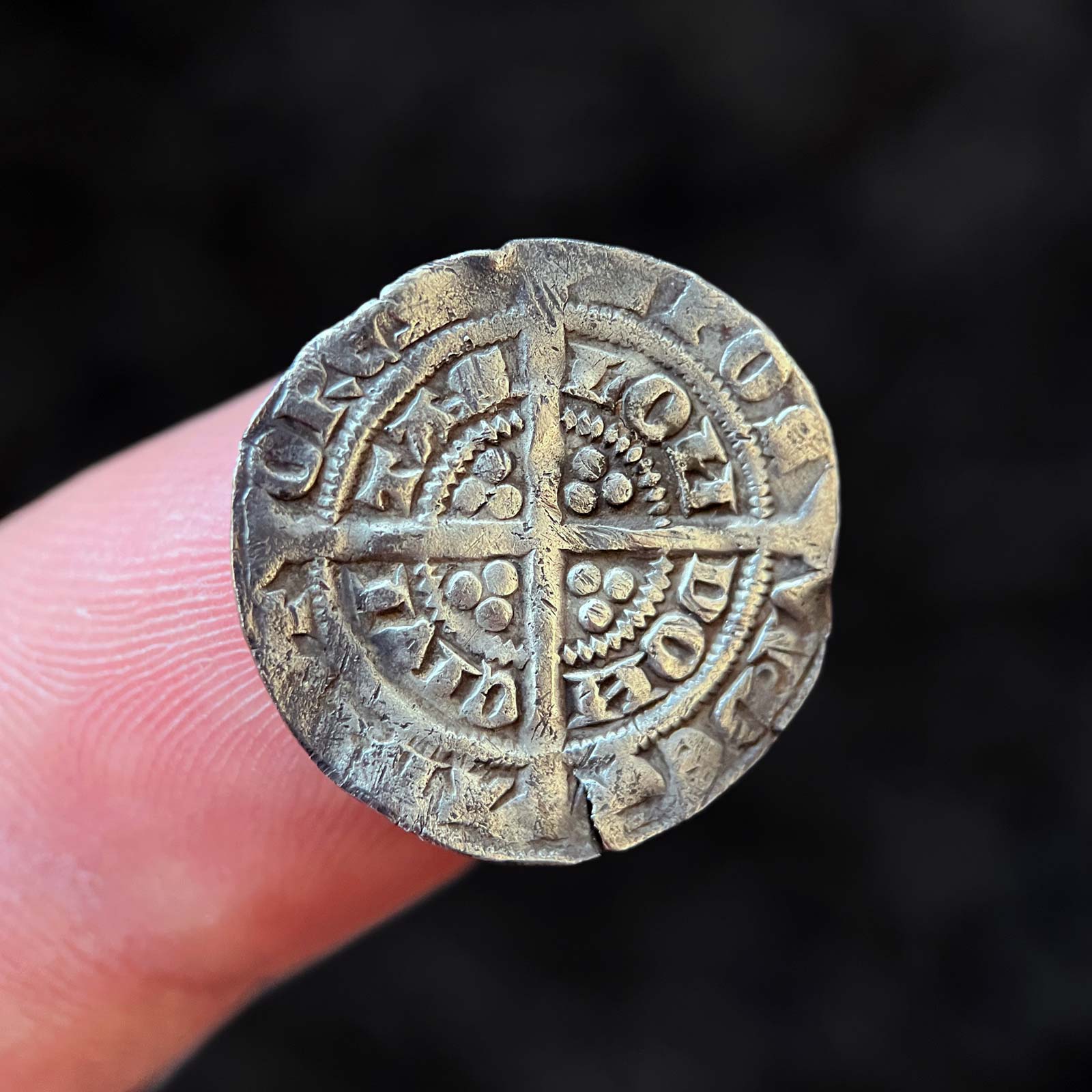
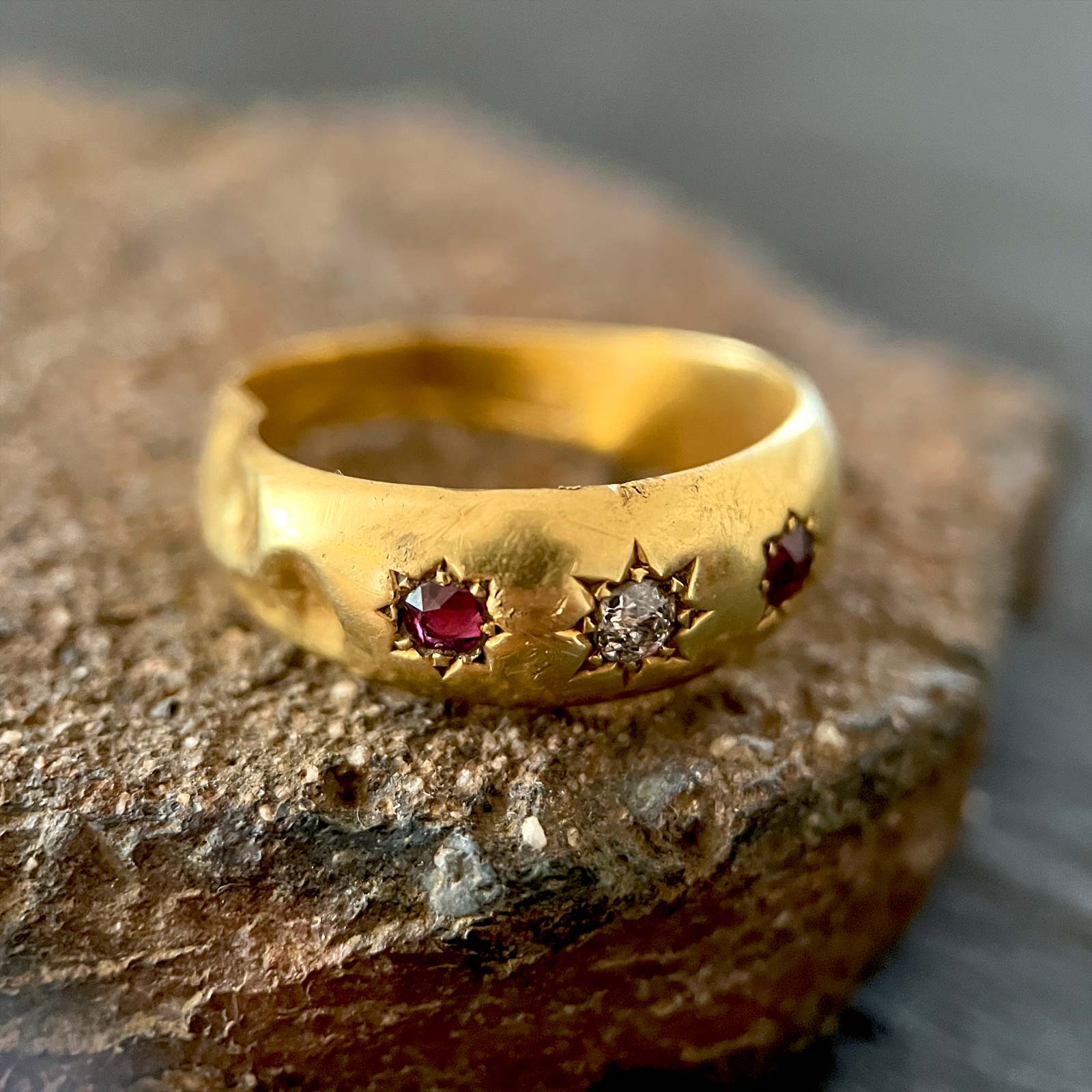
I did take the opportunity at this point to show Tim some of the better finds from my other permissions that I have found over the years (Figs. 10a–13). I thought it would be prudent to have something to show Tim to give him an insight into the amazing things that can be found, just in case we didn’t find anything of any note on his land. It goes without saying that most detectorists know that historical finds are not always to be found in every field that we search.
After the initial 10 minutes or so of filming, Tim turned the camera off, and we then had an informal chat. He then explained the reason for filming straight away. He did apologise but said people are usually more authentic and natural in front of the camera if things aren’t scripted and planned, and I totally get that. But this experience has taught me that if it happens again, I should at least have some structure to the things that I want to talk about.
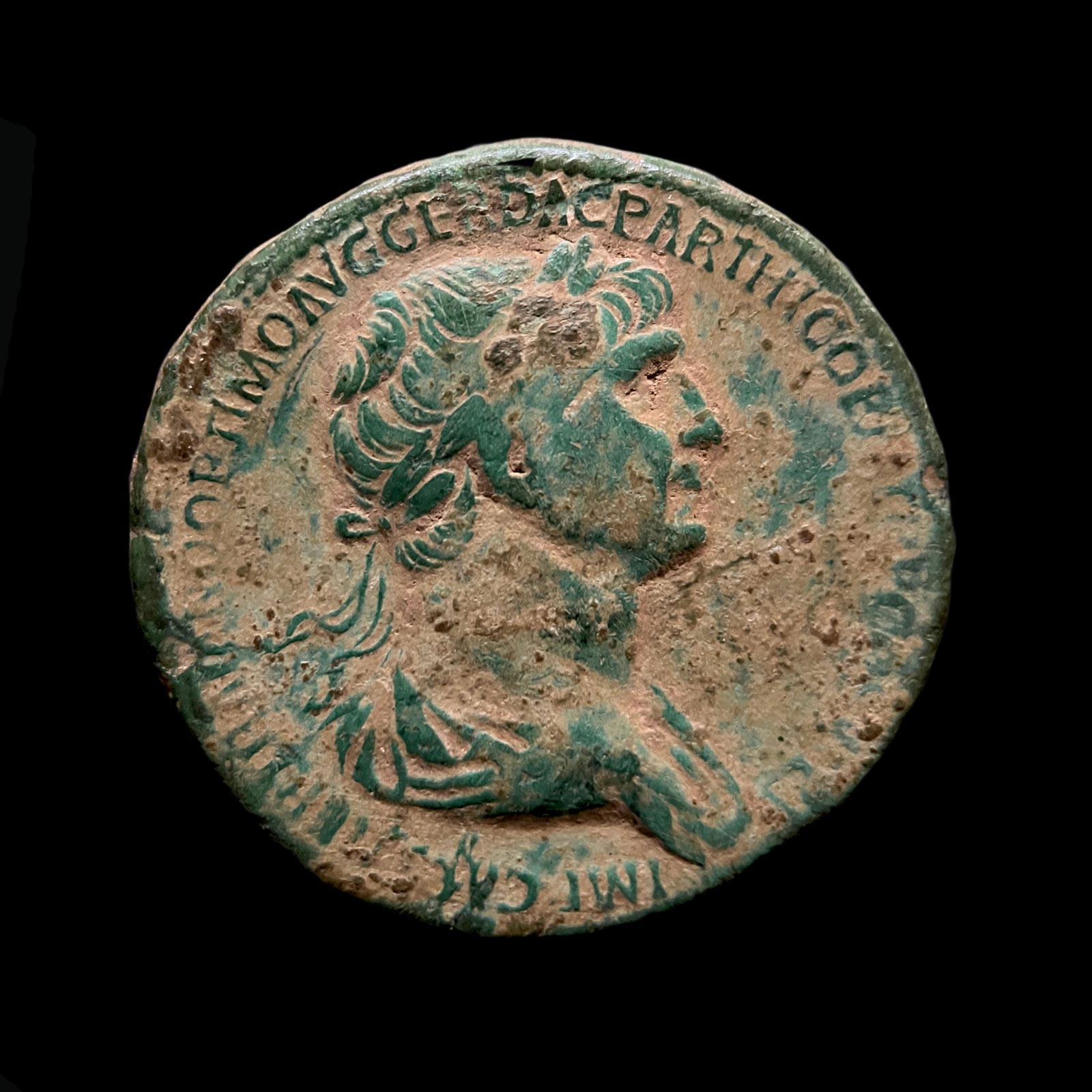
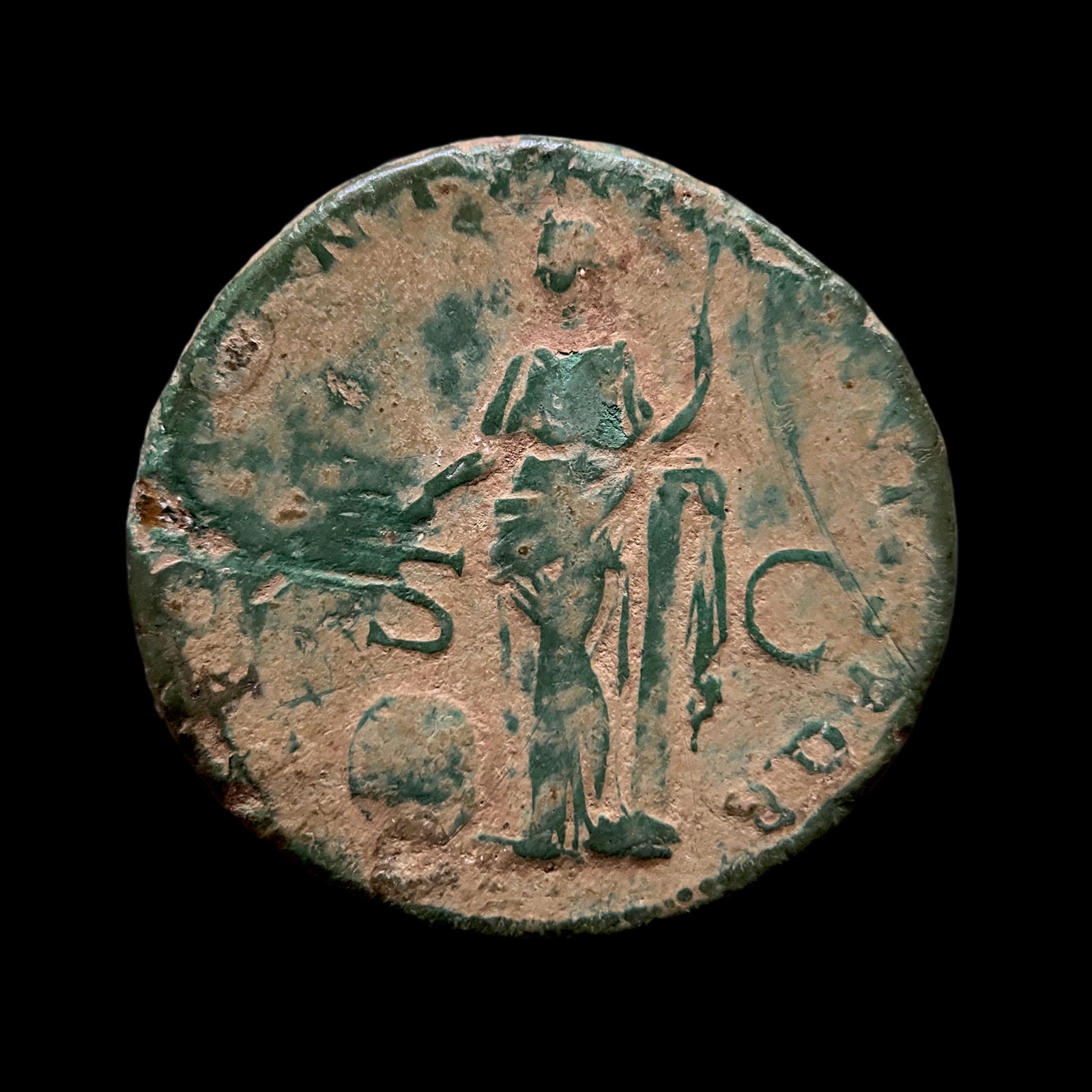
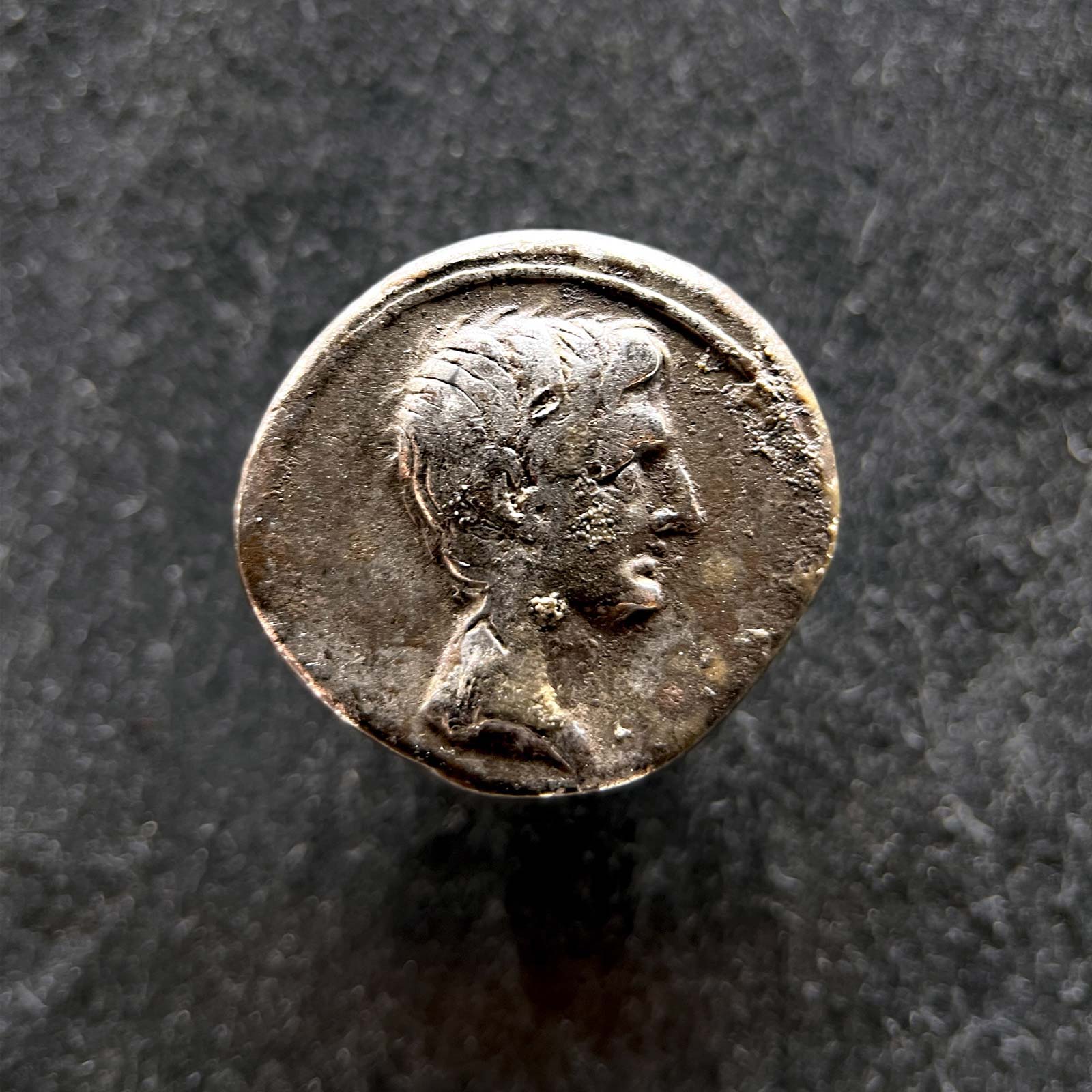
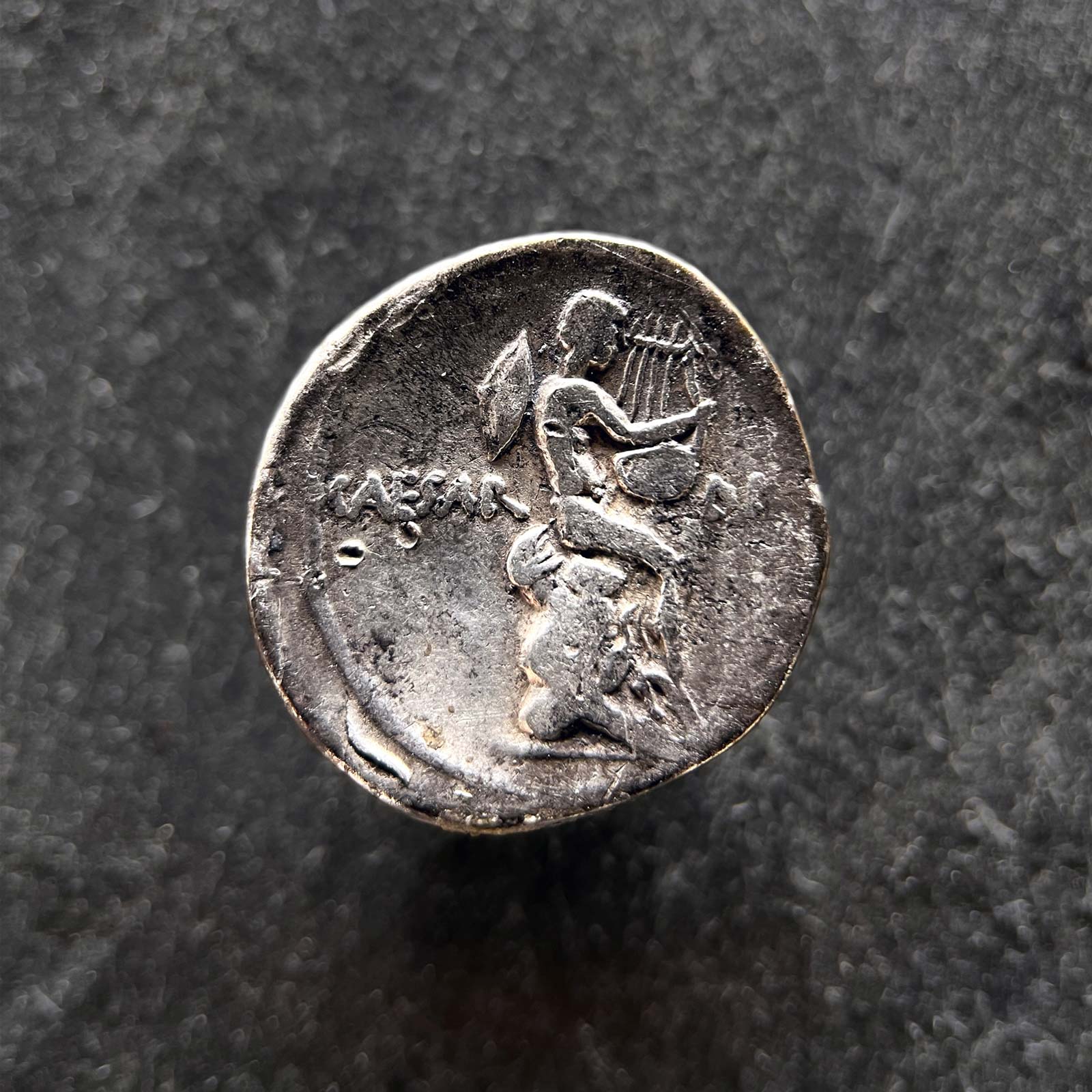
An old rusty nail
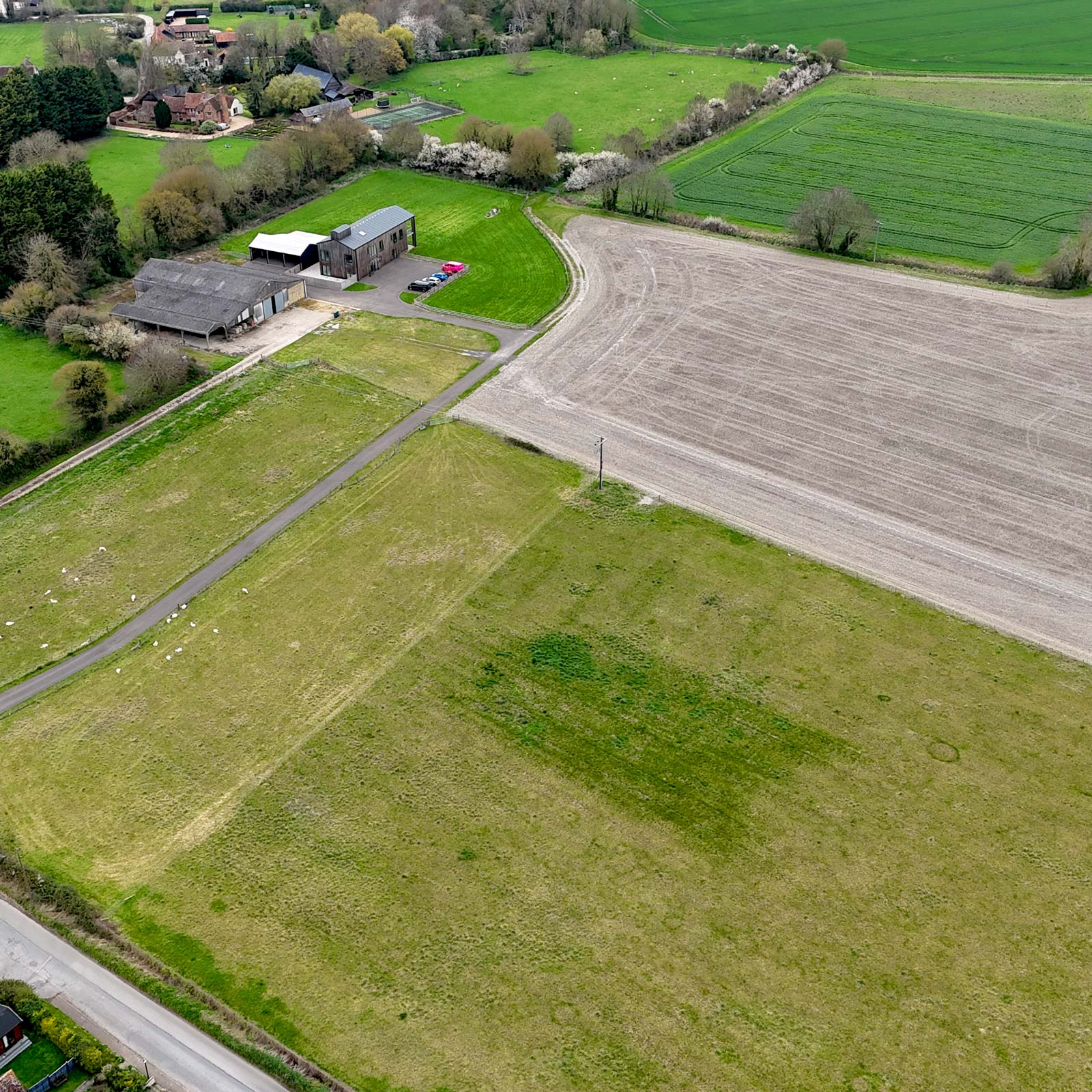
But now it was time to get down to business and do some metal detecting. The areas where I could detect were divided into three plots: two of them pasture and one of them cultivated (Fig. 14). We first looked at one of the pasture plots, but it was a bit too overgrown to get the coil close enough to the ground for it to be effective. So we went over to the cultivated plot, which was the biggest field and perfect for starting the detecting journey.
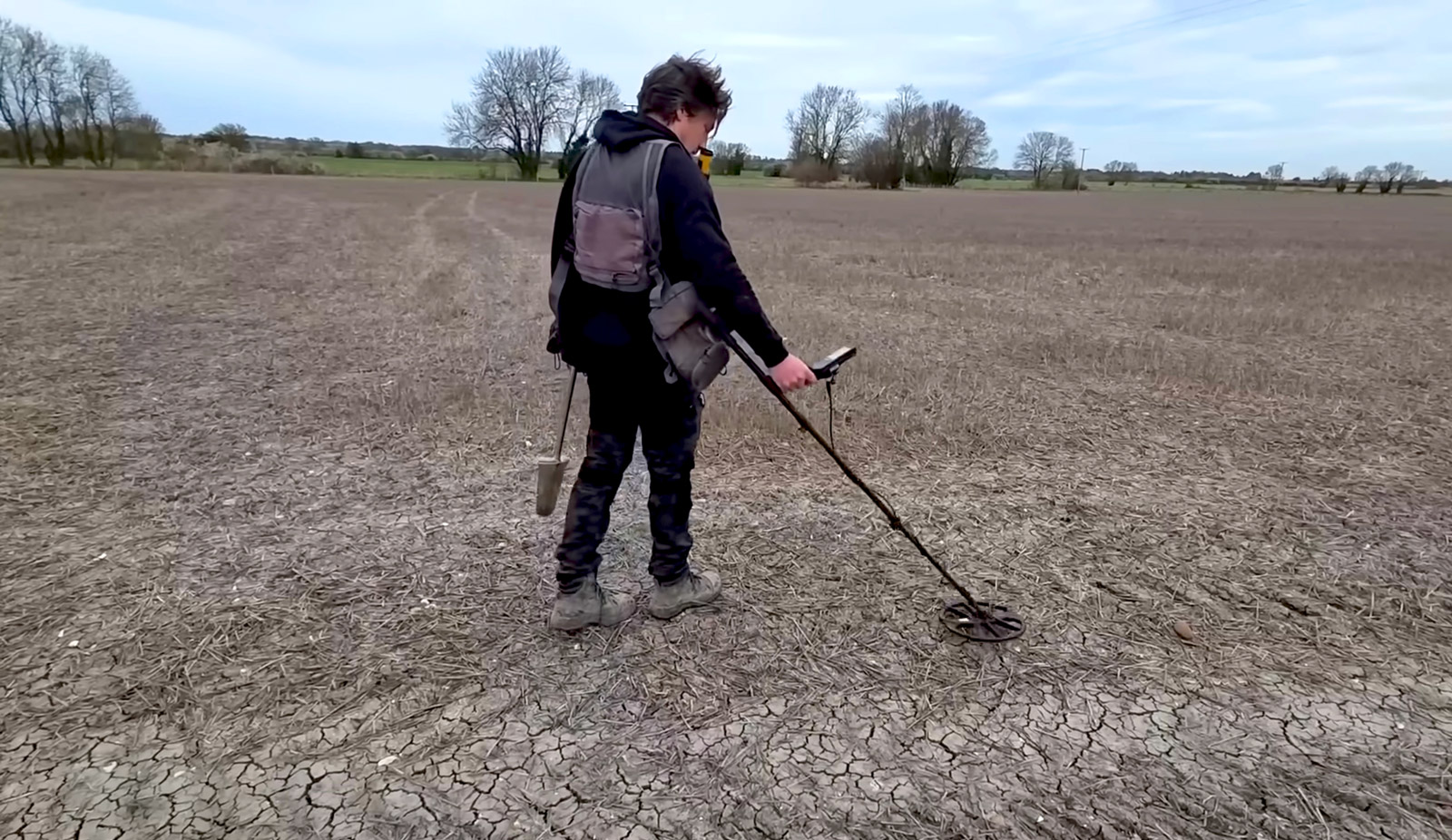
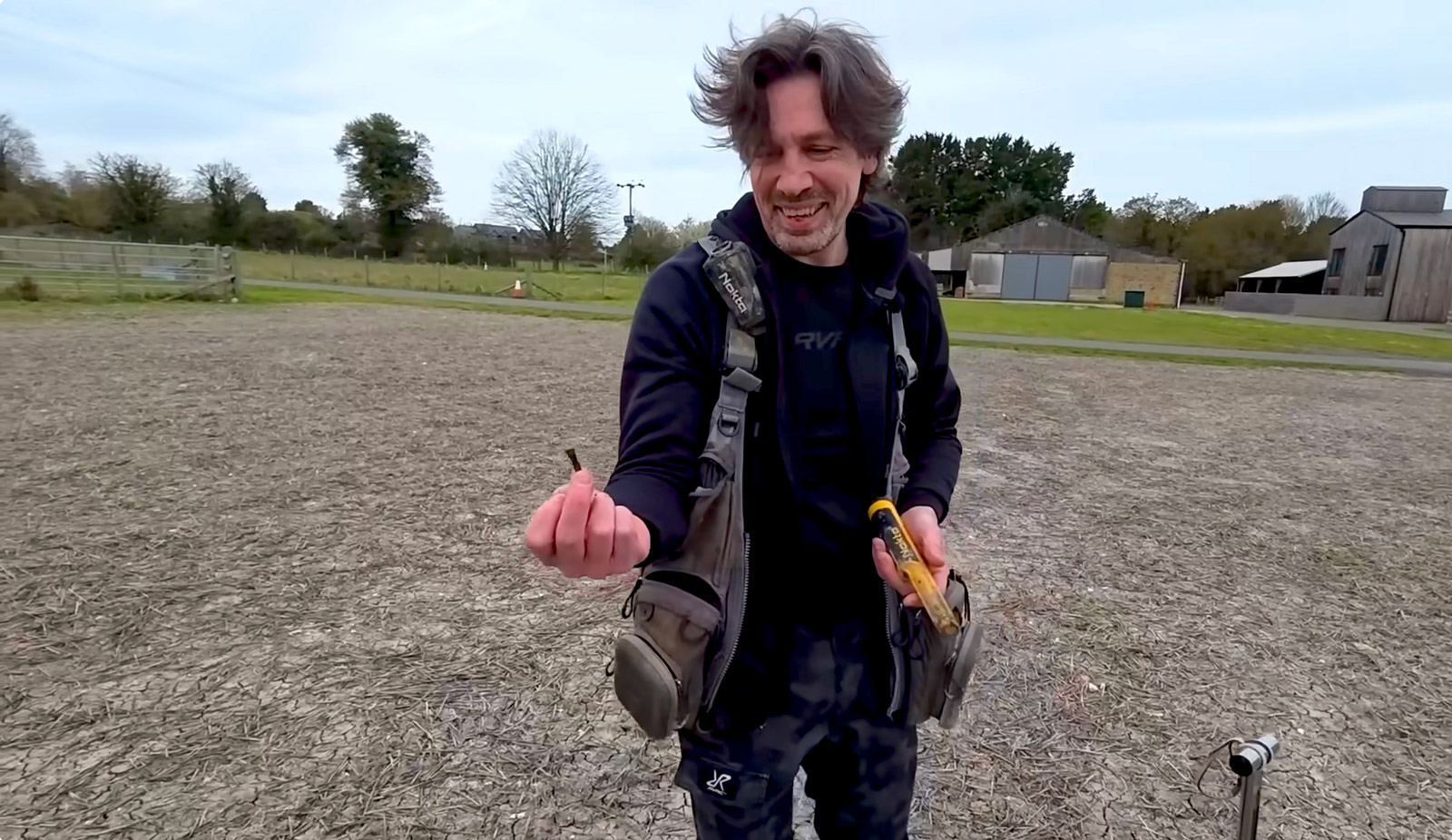
Tim and Anna were filming from the minute I turned the detector on, so I was really feeling the pressure to find something fairly quickly (Fig. 15). Because we were talking throughout the filming, I was unable to wear my headphones, which made it difficult to properly understand the sounds that were coming through from the detector. We hit a signal within minutes and it did sound a little bit iffy, but as it was the first signal, I decided to dig it. It became blatantly apparent to me after I made that decision that the target in question was iron. So, the first find on filmed Tim’s land was a rusty iron nail (Fig. 16) – how embarrassing is that! But even worse, the filming then stopped, so that was the only live bit of metal detecting that was recorded.
I had a sleepless night that night, thinking it’s really not a good look to be pulling out an iron nail, and the next morning I even contacted Tim to see if we could edit that bit. Tim was great about it but said, “I’ll send you over the clip and you can take a look at it. You called the iron before you pulled it out, so it’s not as bad as you think.” And he was right, I had called it (something I thought I said in my head and not out loud), and actually, it made me think that this is the reality of metal detecting. Admittedly, if I had had the headphones on I wouldn’t have dug an iron nail, but sometimes this stuff gets through no matter how good your detector is. And the more I think about it, it probably would have looked a bit suspect if I had pulled out a hammered coin or something else that would have been considered a good find on the first hole dug.
Time for some proper detecting
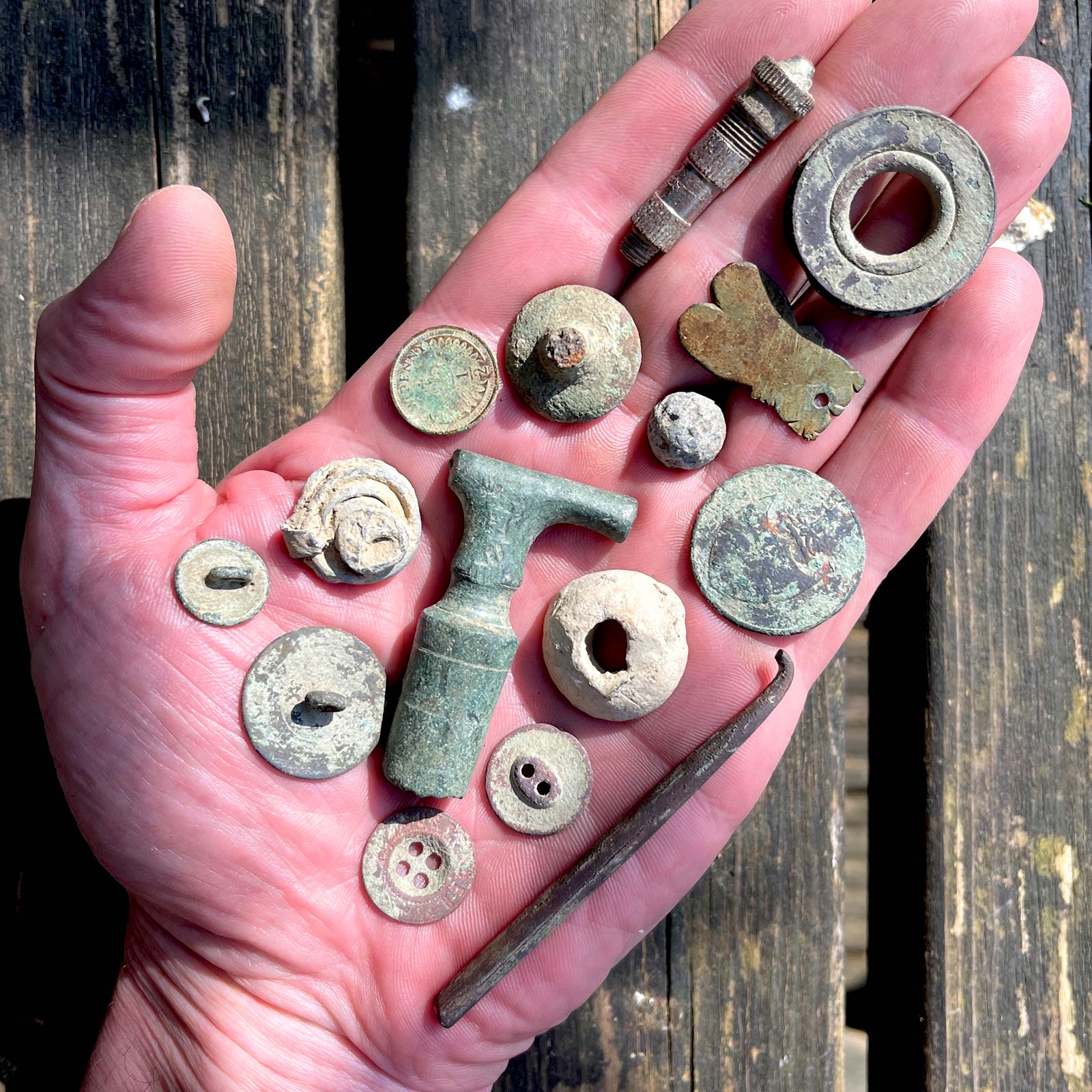
From that point on, I was pretty much left to my own devices, so the real searching began. Staying in the main field, I did an initial search following a figure-of-eight pattern. I walked straight up one edge of the field, then diagonally across to the opposing corner, then up the other side and diagonally across to the other corner. Not a lot came up, really – a few buttons, a couple of coins, a bit of a broken buckle, and the head of a broken thimble as seen in Fig. 17. It was at this point I started to get the feeling that this permission wasn’t going to produce in the way I had hoped. Knowing the history that existed in this area, I was hopeful that some good stuff would come up. I mentioned in the video that my number one bucket lister would be an Anglo-Saxon coin – always a long shot, but if you’re going to hope for something… yeah, I’m a dreamer right? I do actually own an Anglo-Saxon coin, though sadly not a real one, but I did strike it myself last summer at the Beautiful Days Festival (Figs. 18a–19).
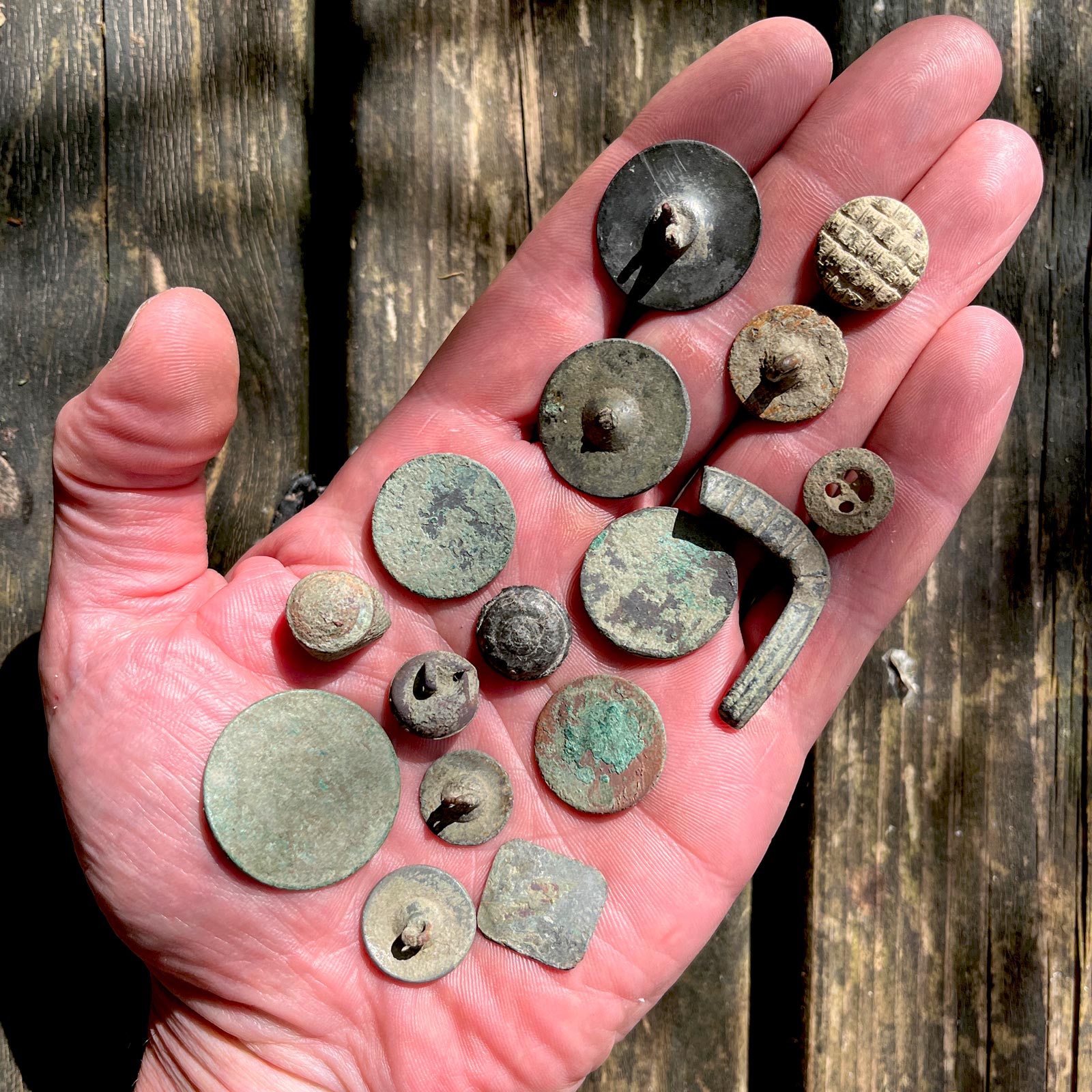
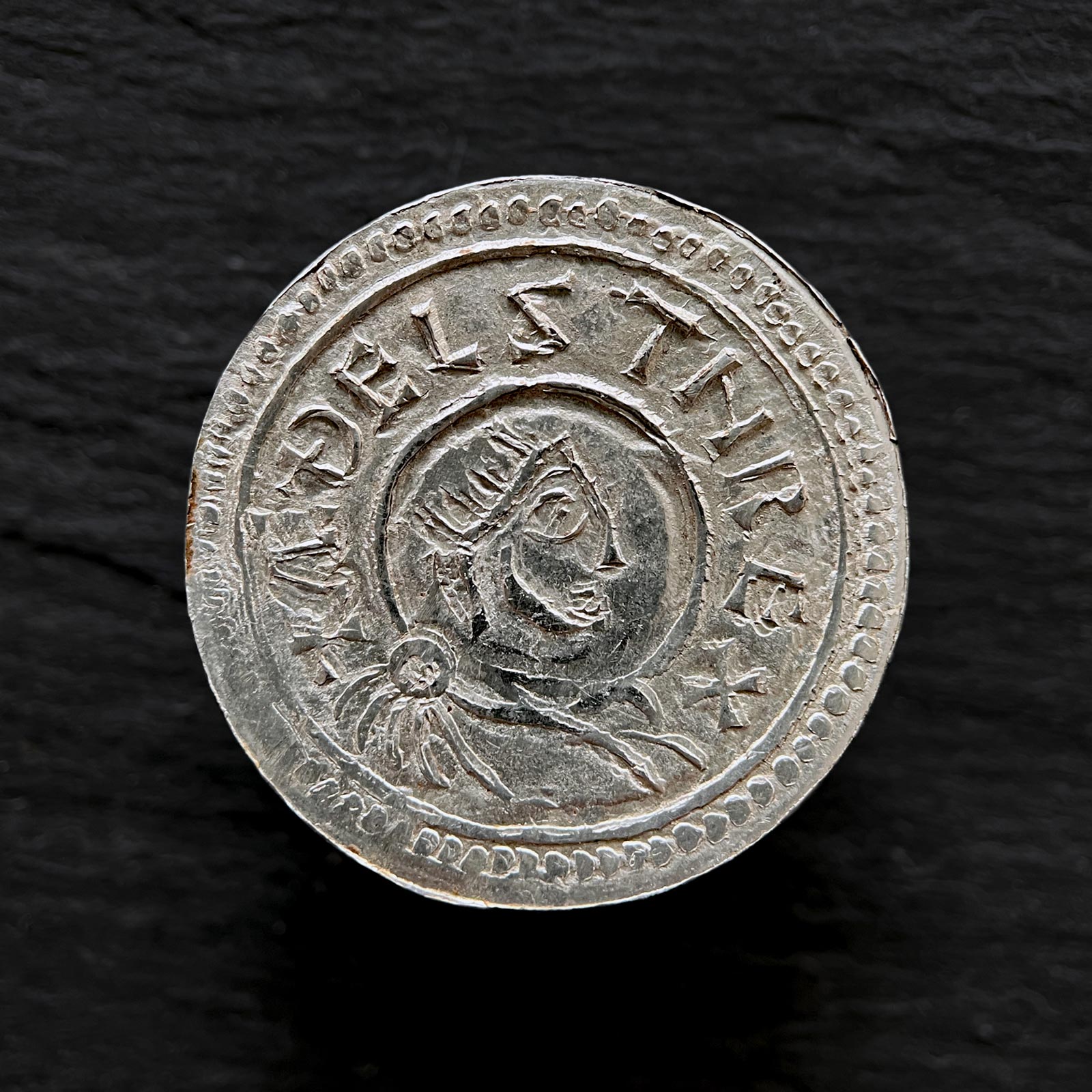
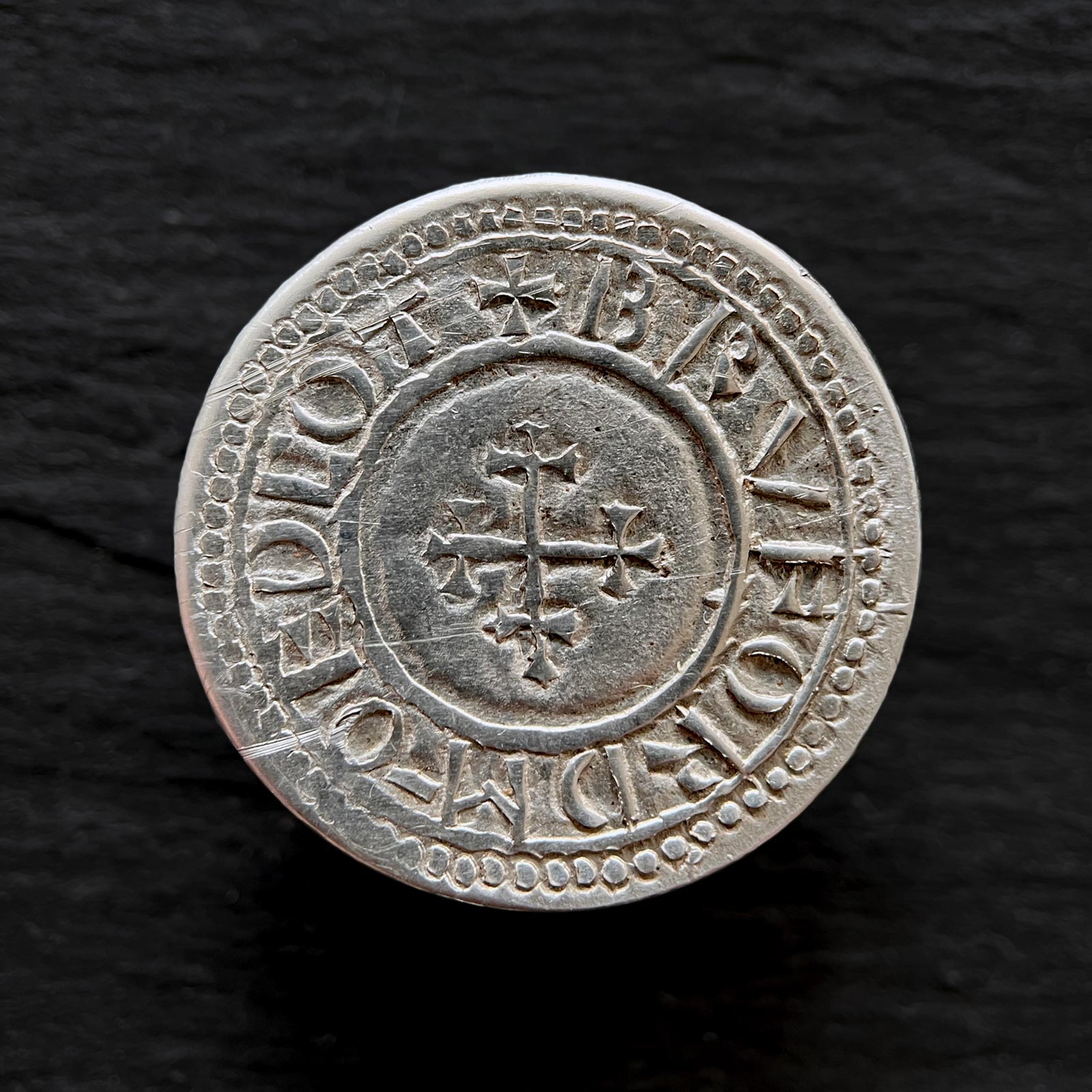
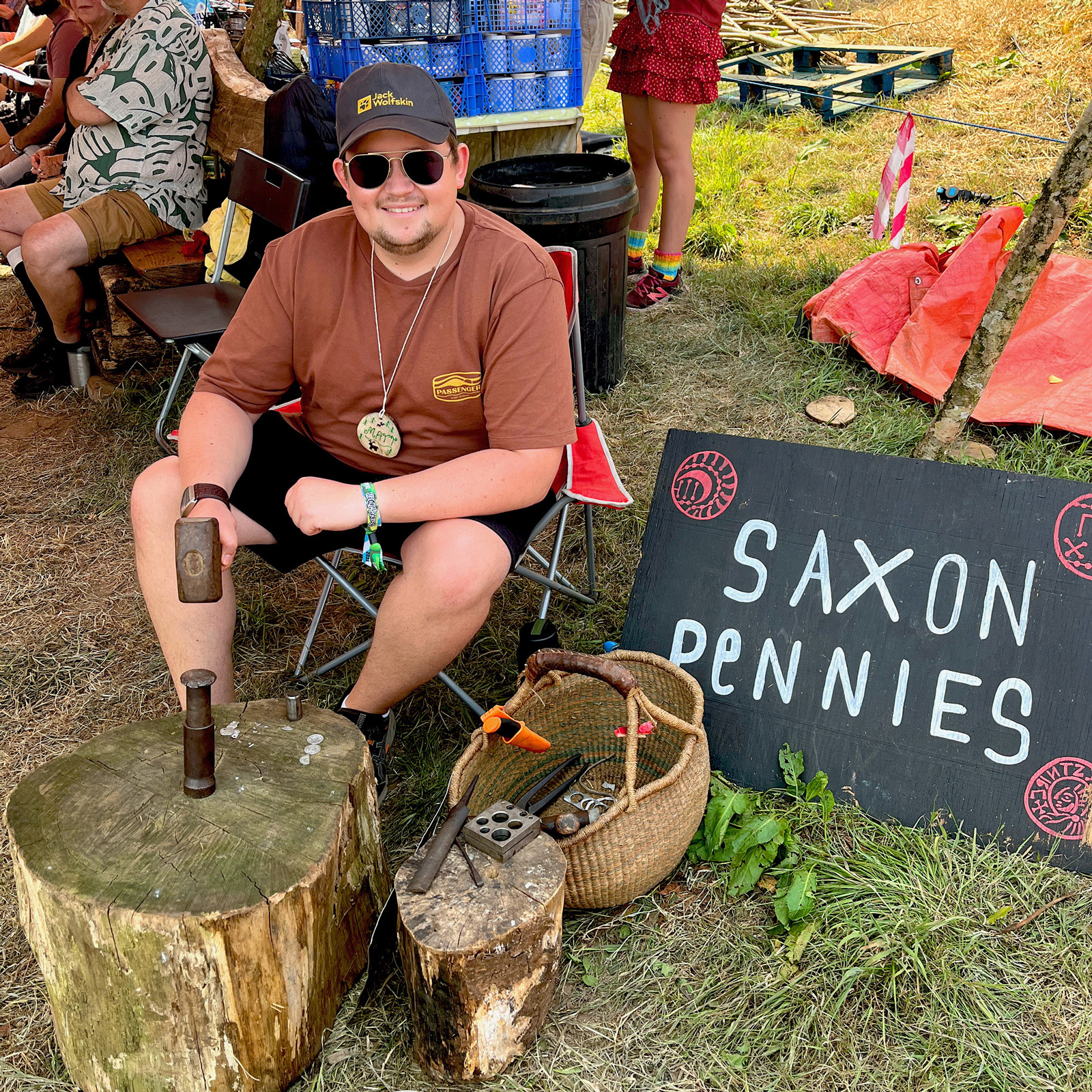
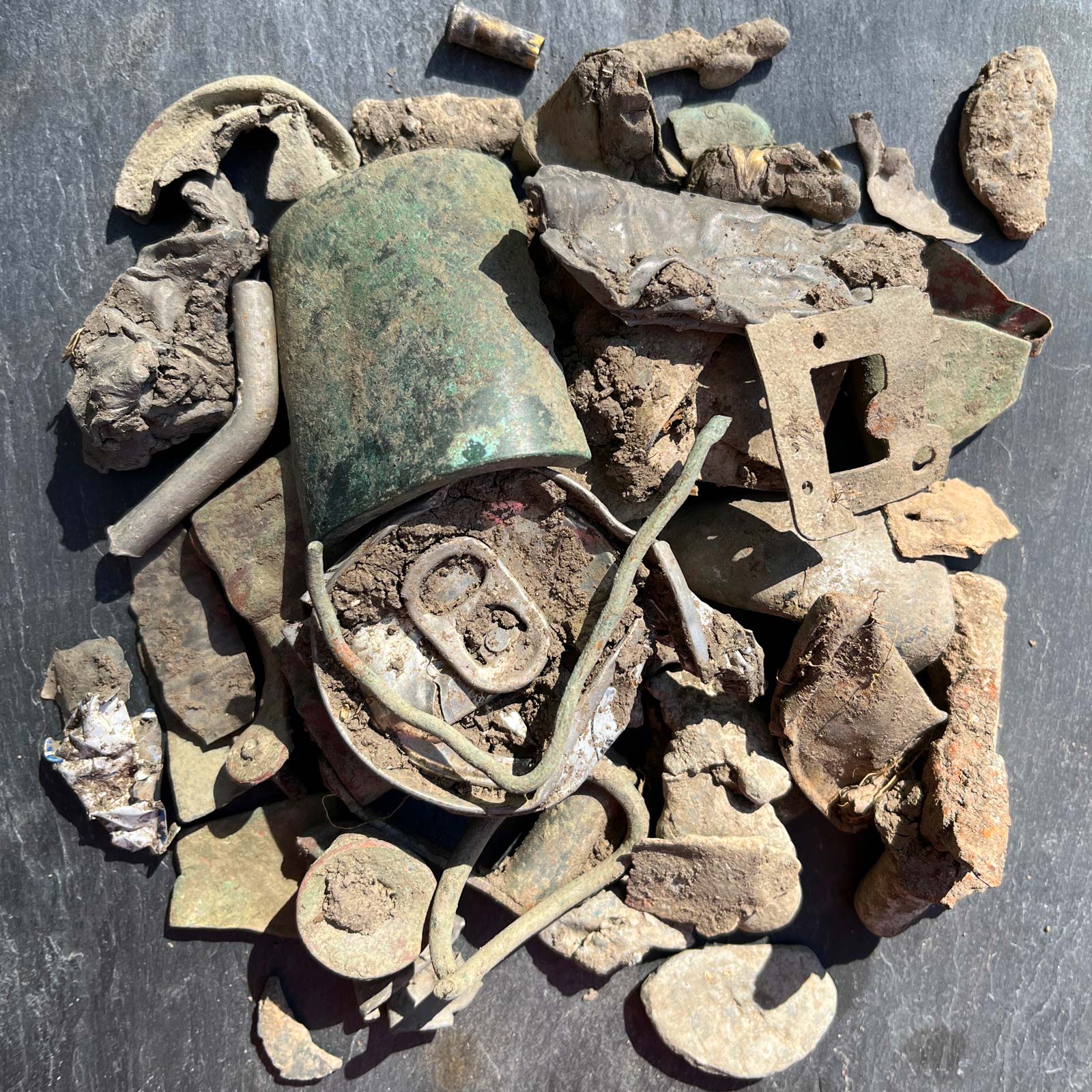
I carried on a bit longer in this field, concentrating in a sort of boxed alcove in the top corner. This is where I found the first bit of late medieval history in the form of a lead steelyard weight, which dates AD. 1350-1600 (Fig. 20). Keith Fitzpatrick-Matthews, the Curator and Heritage Access Officer at North Herts Museums, very kindly found a similar example on the PAS database, which is how I know. A fair amount of rubbish was coming up, which is to be expected (Fig. 21), so at this point I decided to stop and have my lunch with my attention then turning to the pasture fields.
Time for some sheep
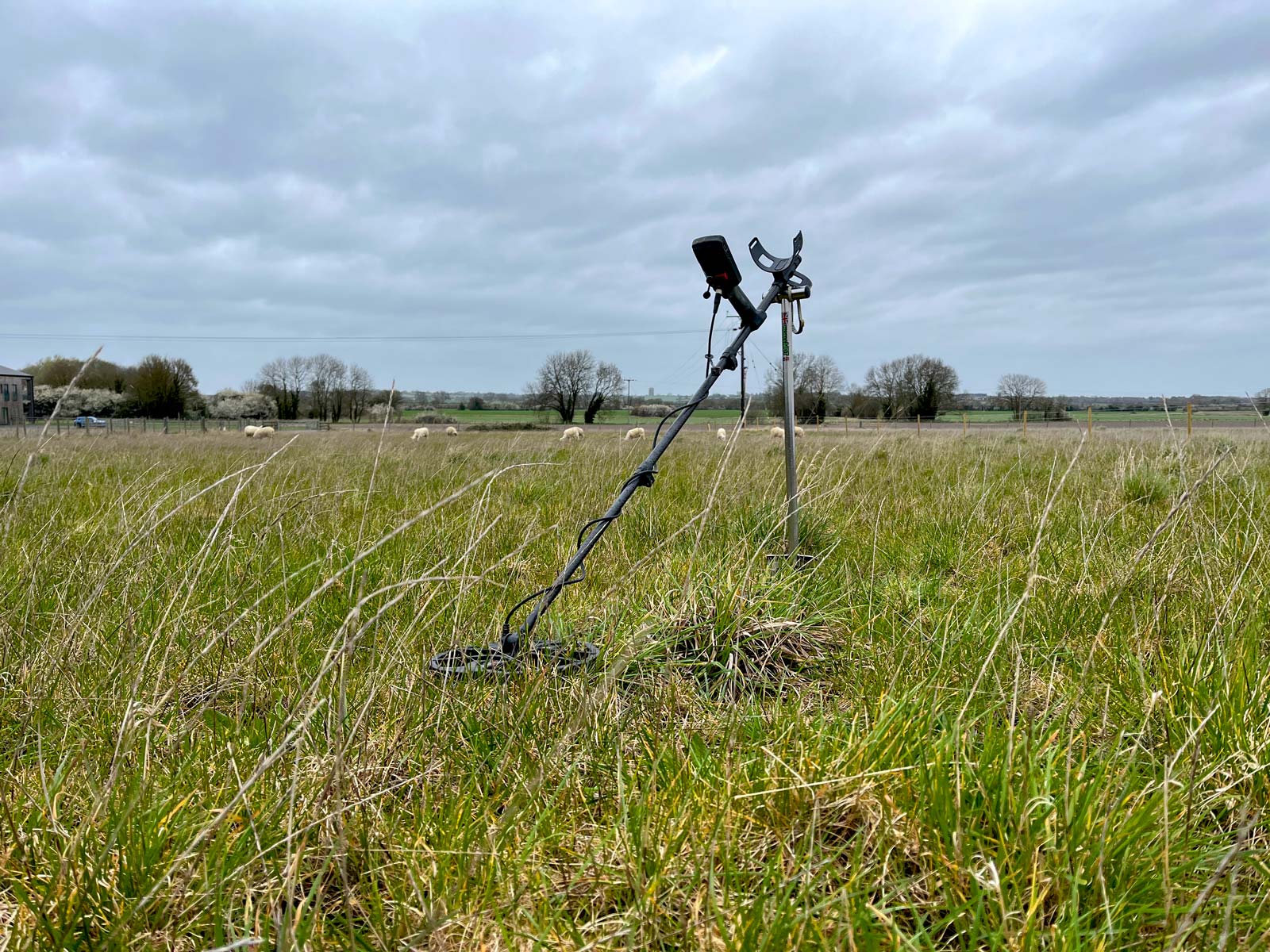
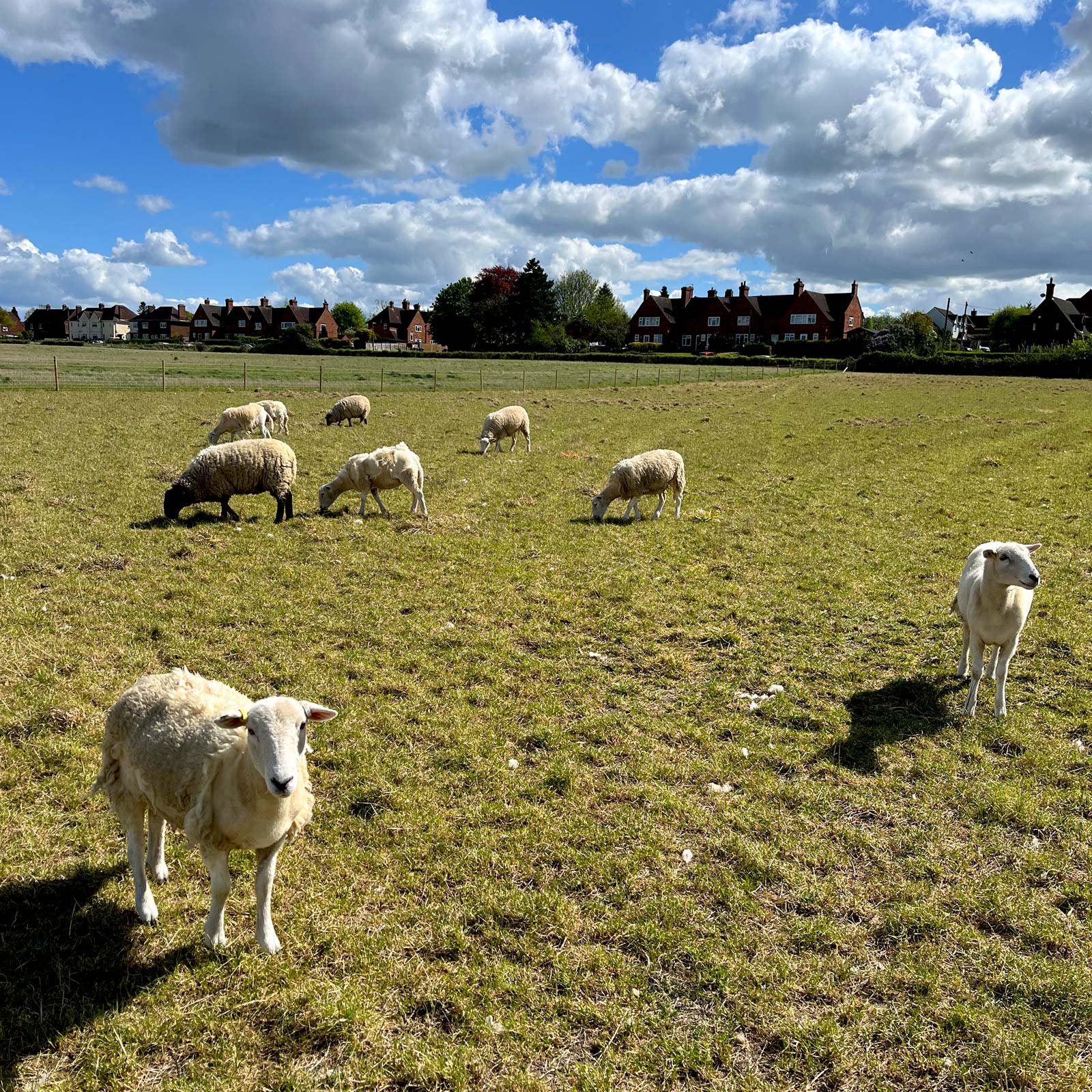
Tim did mention that he was expecting the arrival of some sheep on the same day that I was detecting, and that they would be released into the two pasture fields, one of which I was already in. And sure enough, not long after I started detecting, the sheep arrived (Fig. 22). The farmer who owned the sheep came over and had a quick chat with me to say the sheep wouldn’t bother me, and to ask if I had found anything interesting. Sadly, at that point I didn’t have much to show other than the lead weight, but at least I knew the sheep weren’t going to be a problem.
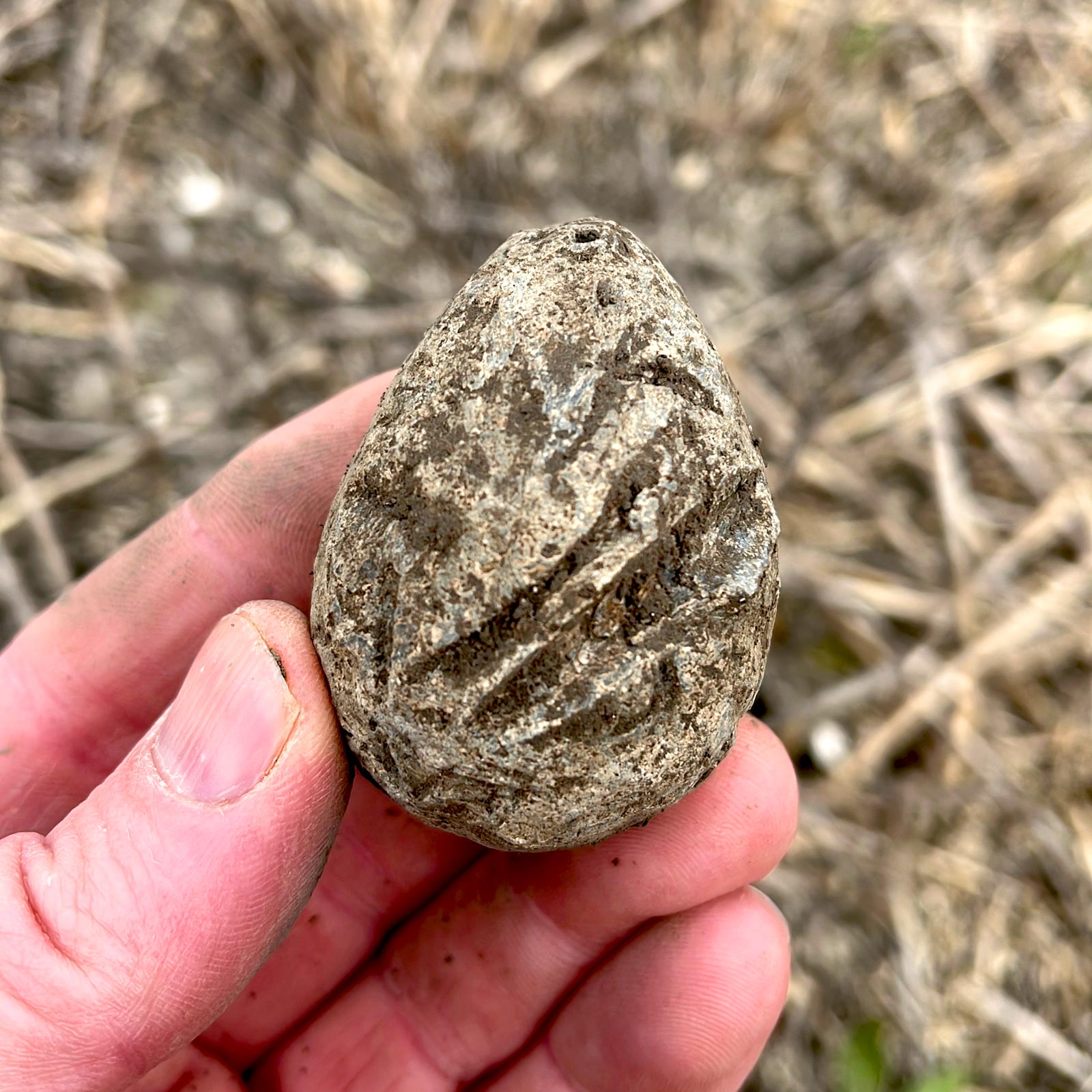
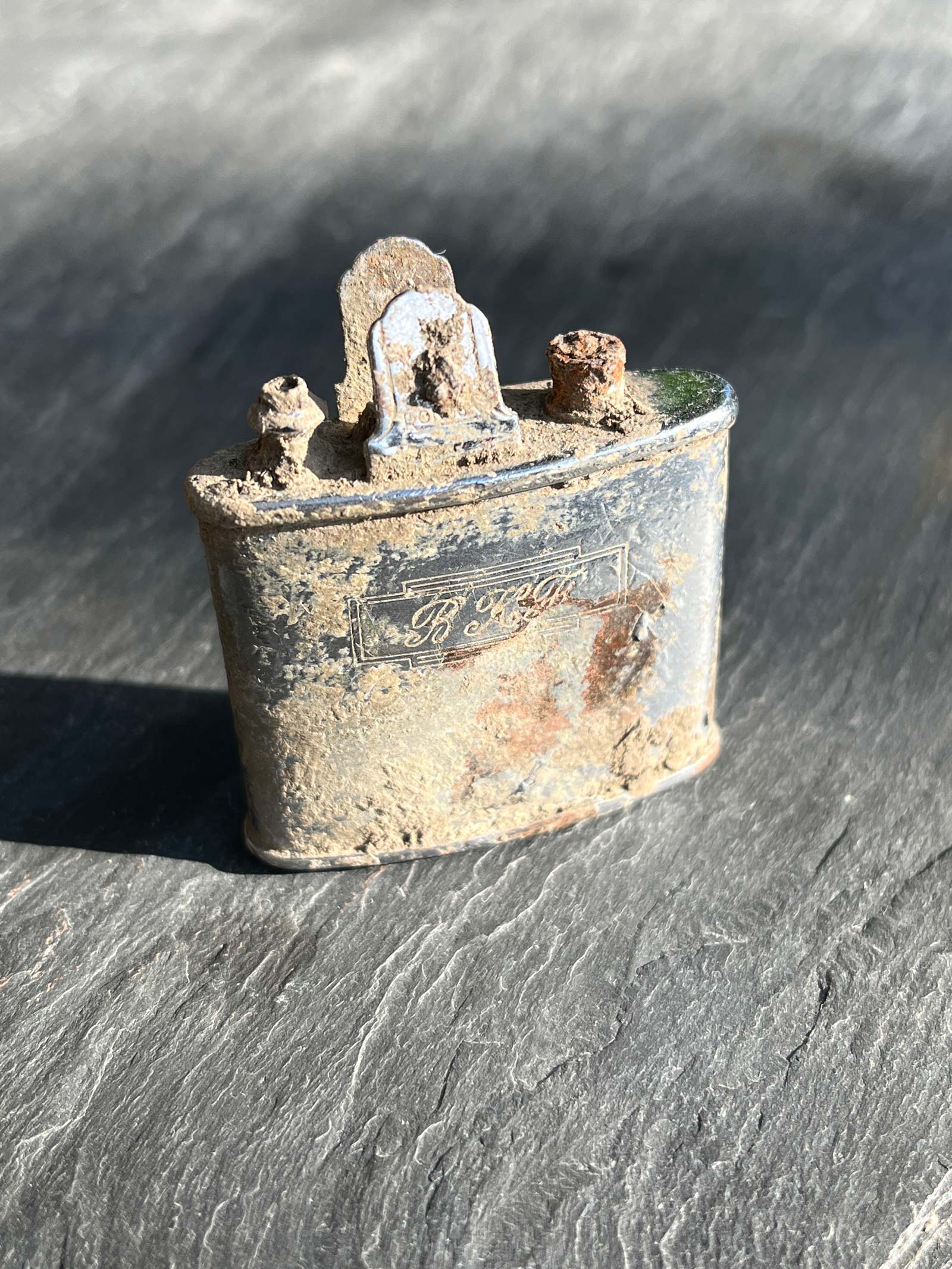
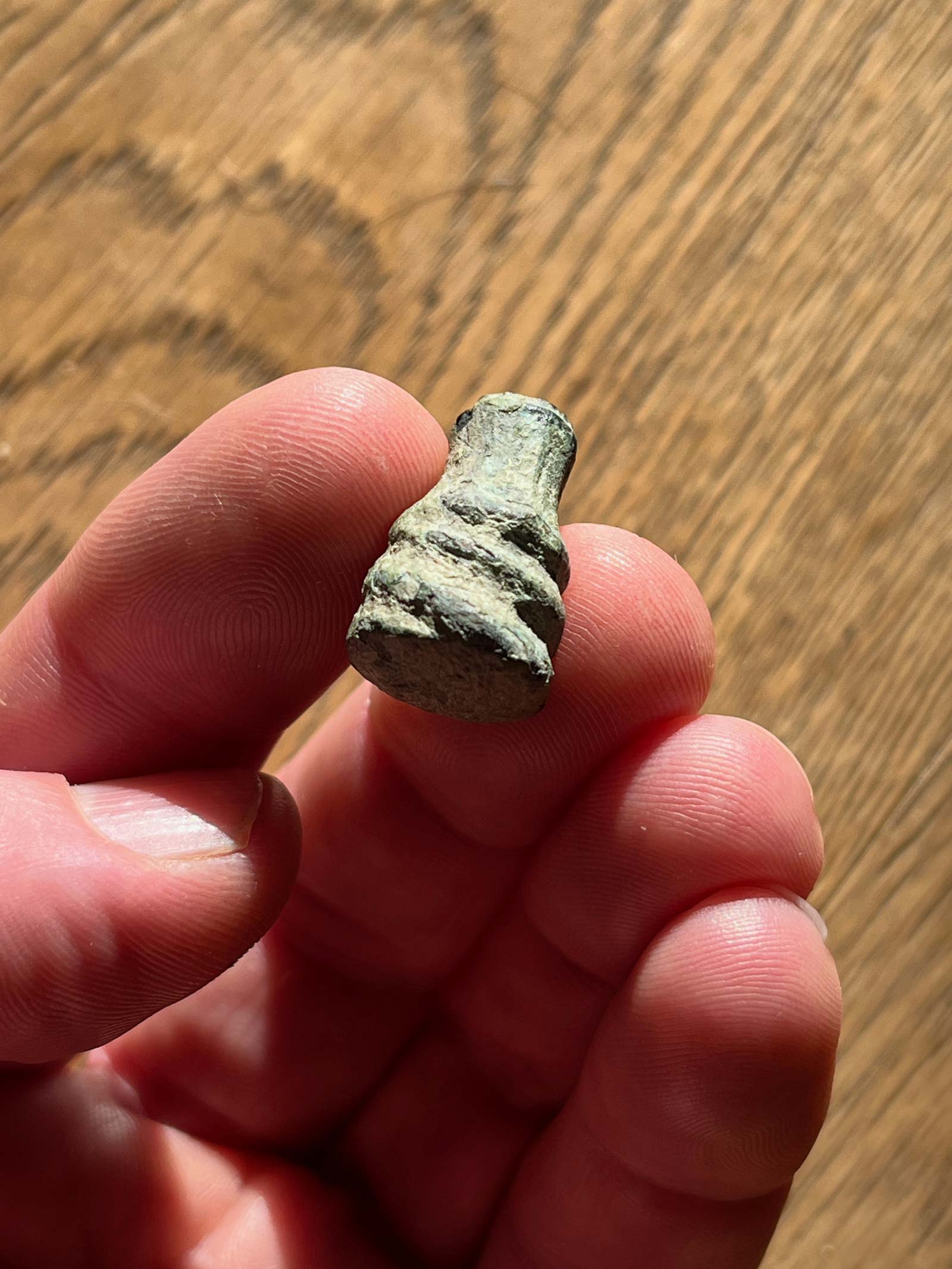
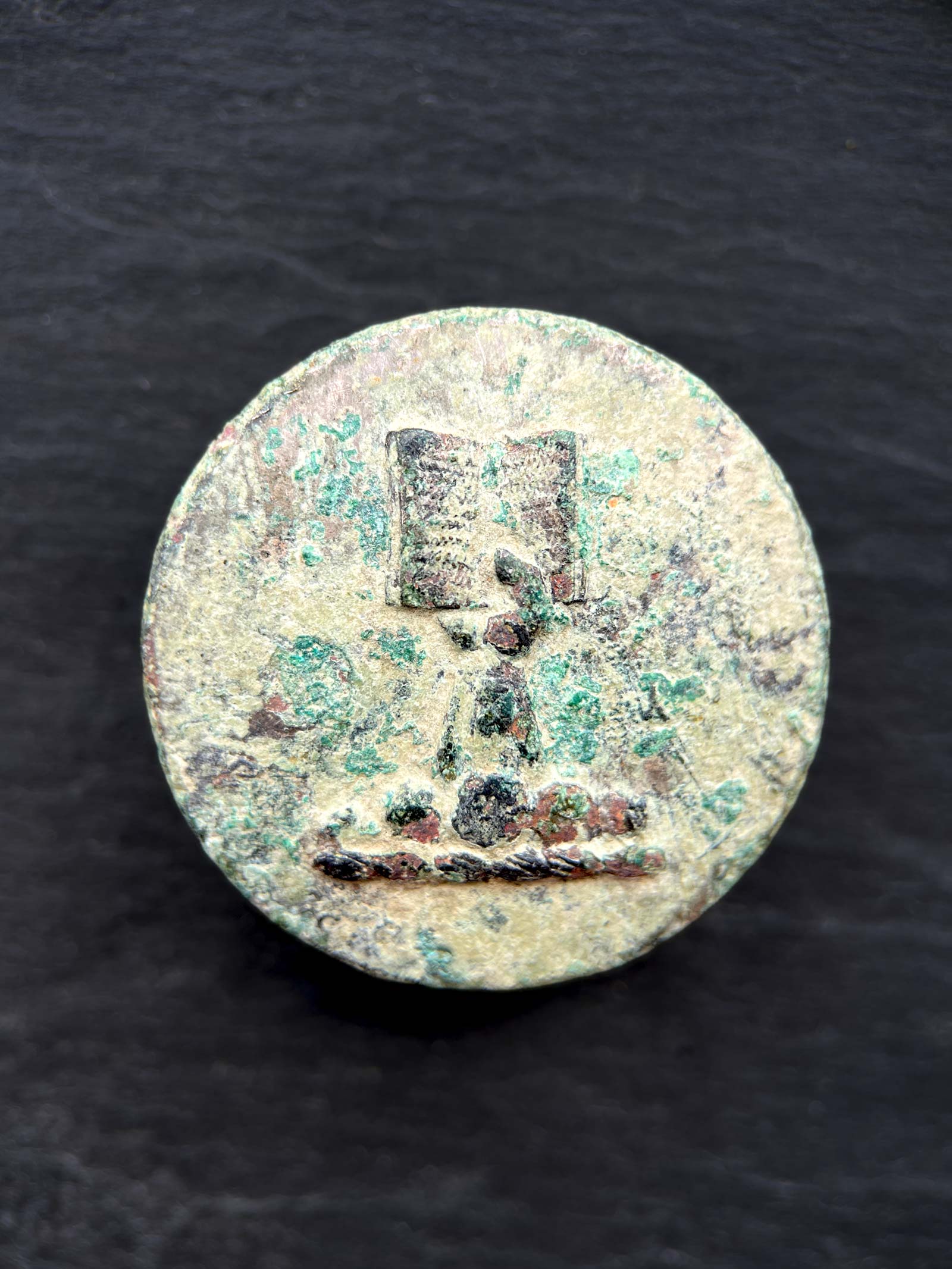
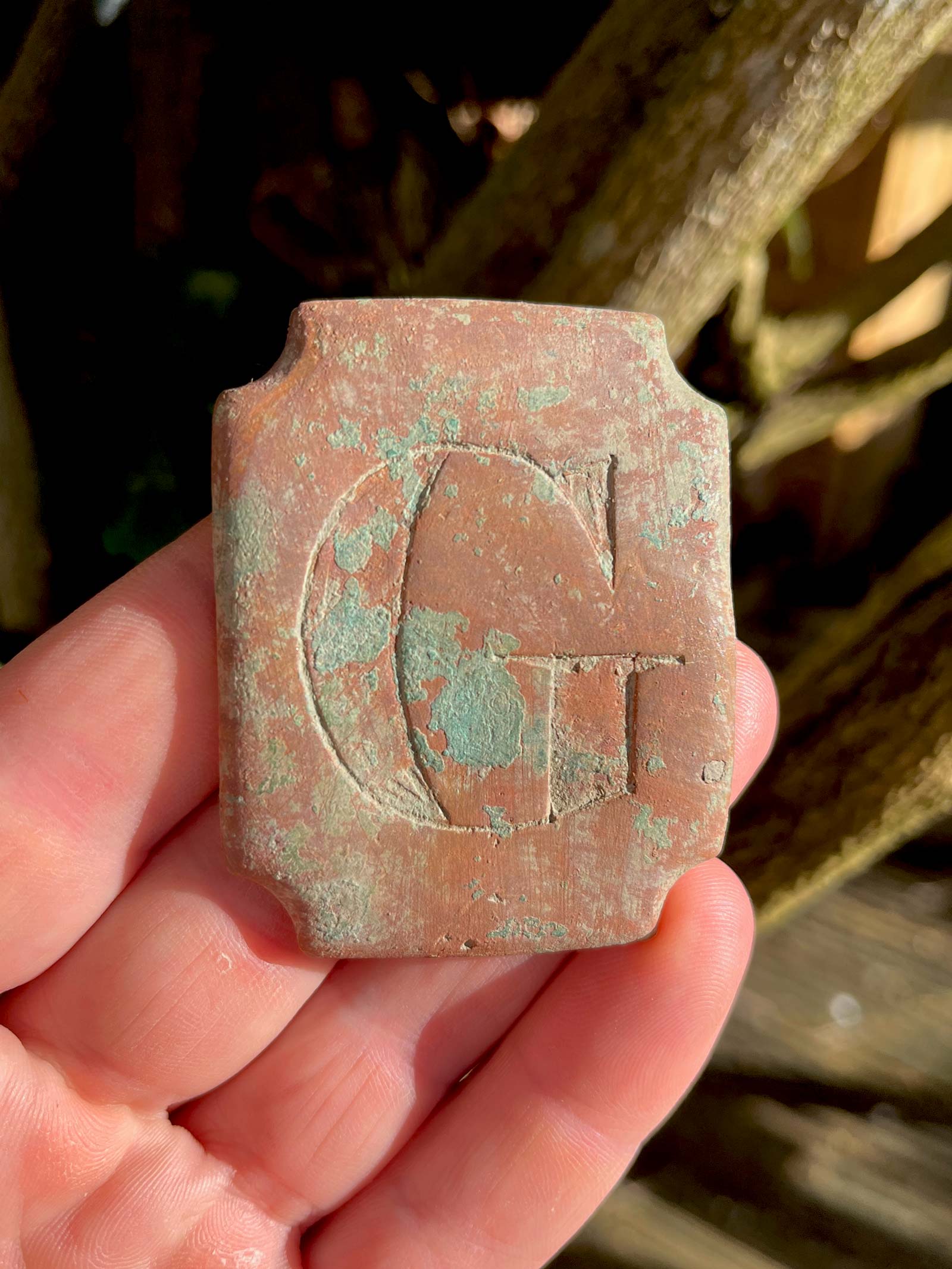
I carried on for a bit longer before the weather stopped play for the day, but a few more bits did come up, including a Zippo-style lighter with the initials RKF on it (Fig. 23). I also had part of a barrel tap, a lead seal, a possible lead spindle whorl, a musket ball, the shaft of an old straw splitter, a car tyre valve, a few more buttons, and a possible half of a strap end (Fig. 24). I also had a mystery object which left me a bit stumped, but it looked to have some age to it due to the patina, so maybe it’s a broken part of something a reader might recognise? (Fig. 25).
On the return to my car, Tim didn’t seem too disappointed with the finds; in fact, he was quite enthusiastic about it all. I guess it’s because there was actually some history there, evidence of people living and working in times gone by on the land that he now owns. I think it’s because I’m lucky enough to constantly find Iron Age, Roman, and medieval finds on my other permissions that it makes the more recent history not quite so interesting. But Tim’s enthusiasm has reminded me that even the more modern stuff is still history. These are finds that I used to get excited about when I first started metal detecting, when the hobby was all new to me – something I’m glad I’ve been reminded of.
Once I had packed up, Tim and Anna then invited me into the house for a cup of tea. It was great to have another informal chat about all things cars and the plans for the new Shmuseum and the rest of the property – and even better to have an open offer to come back and do some more detecting, which, as you can imagine, I absolutely did!
The second coming
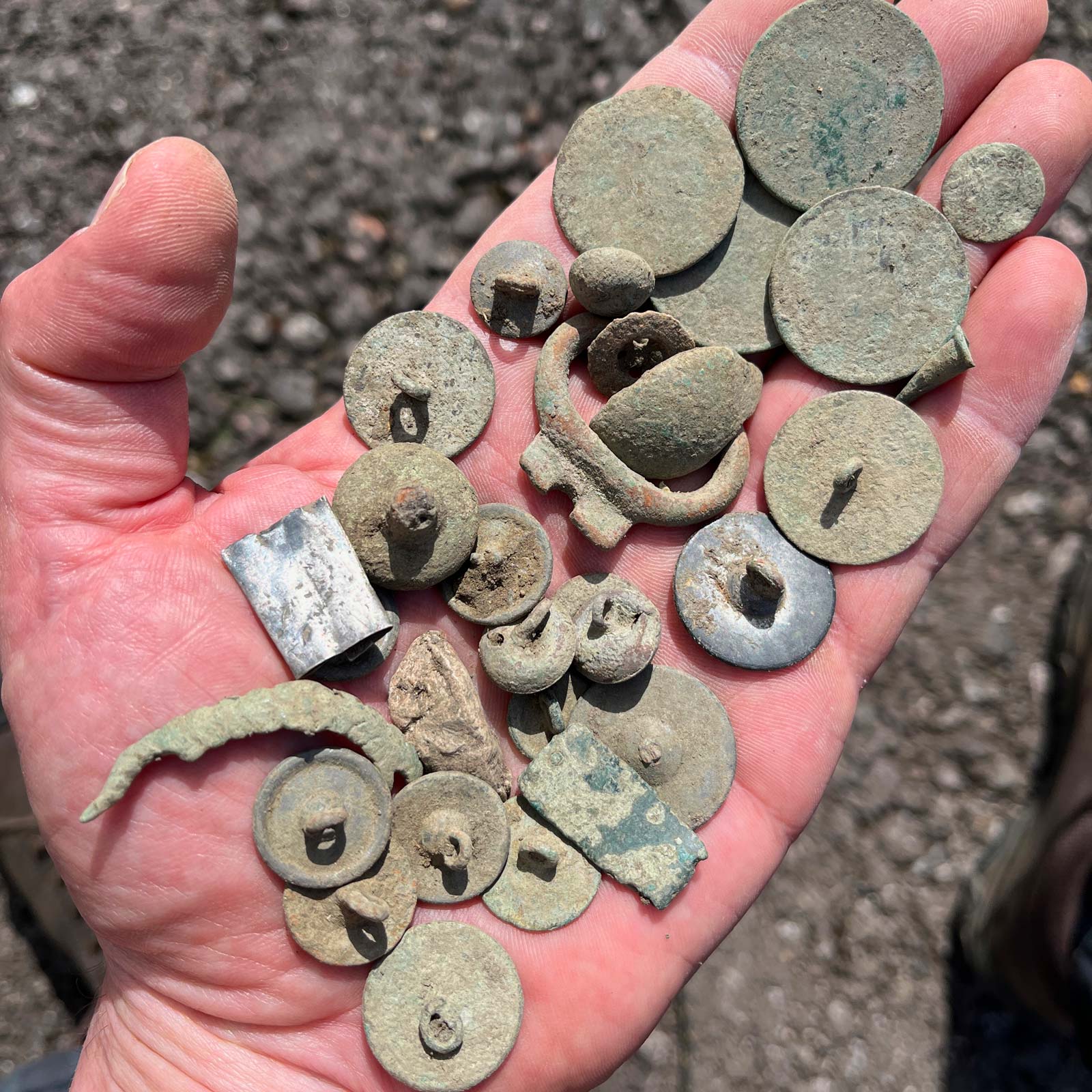
A couple of weeks later, I was back again, and this time without the pressure of any filming. On the day I was detecting, Tim and Anna were going to be away from the house for most of the day, so Tim let me in just before they were about to head off. So, without any pressure and better weather conditions, I was left to my own devices. I spent time in all three fields again, and the sheep were waiting to greet me with a bit more inquisitiveness this time, even plucking up the courage to come over and give me a little sniff (Fig. 26). I pretty much had the same results as the last outing, finds-wise, with more buttons, coins and a few other odds and sods as you can see in Figs. 27–29. But then one find came up which really couldn’t have been more appropriate considering the passions of Tim’s life and career.
The perfect find!
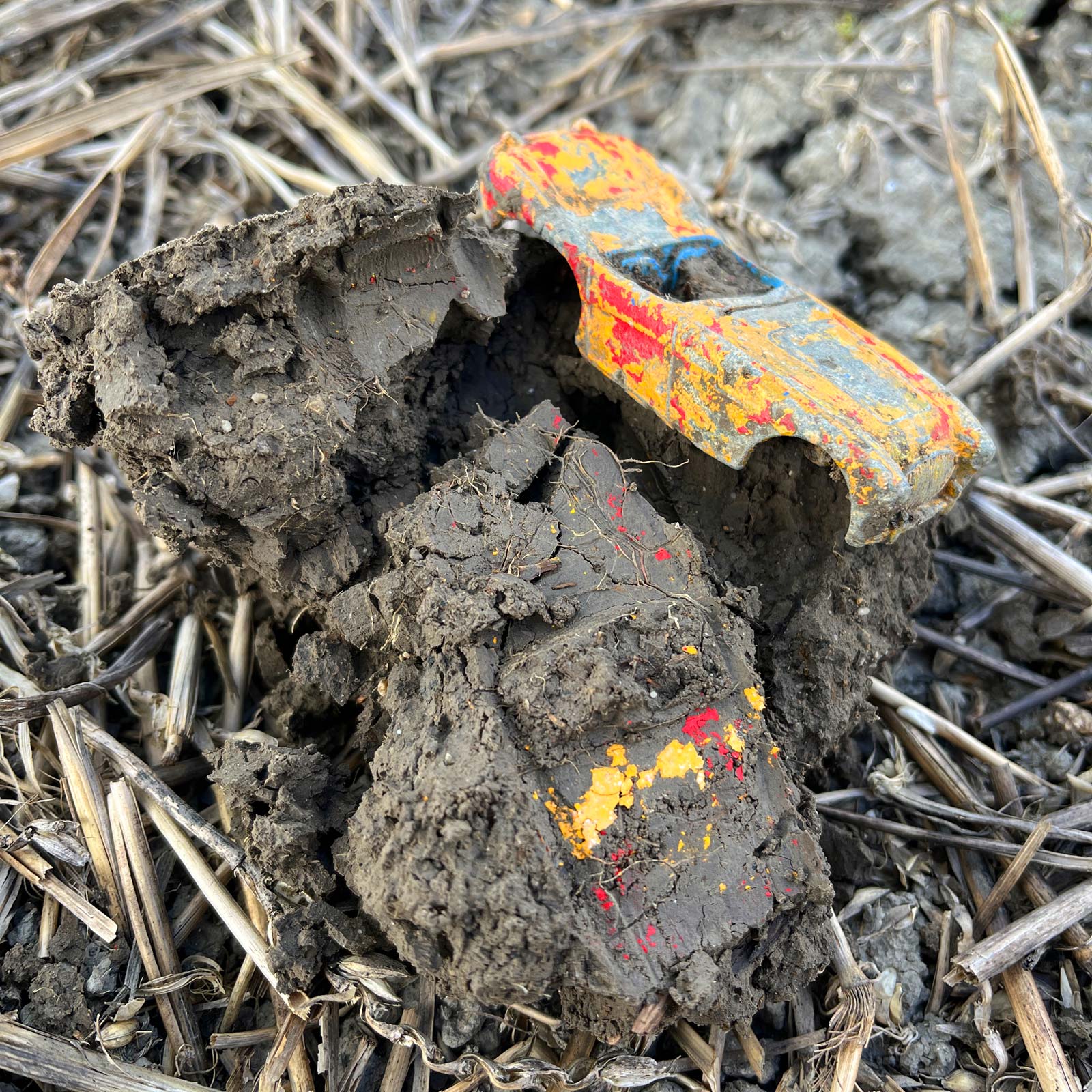
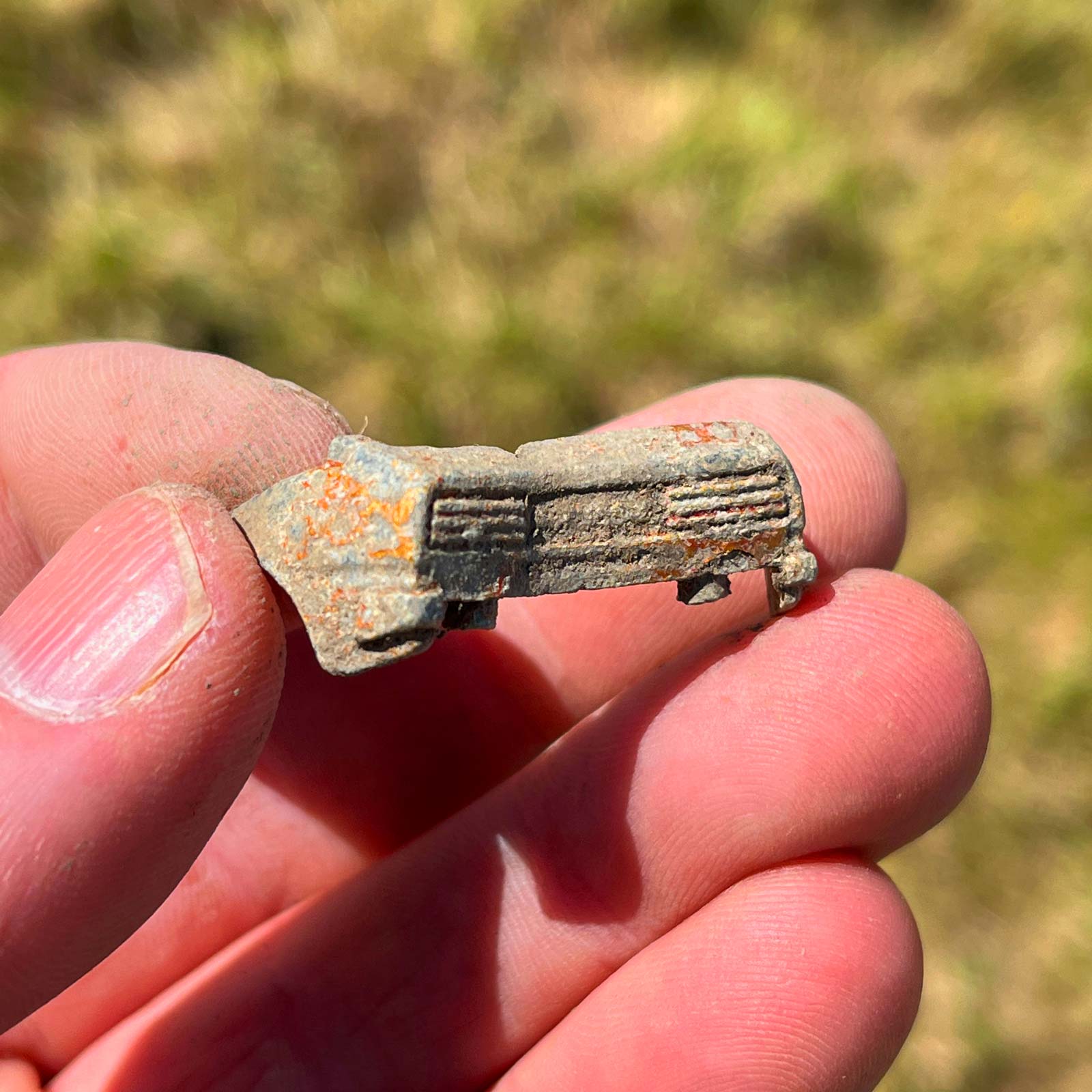
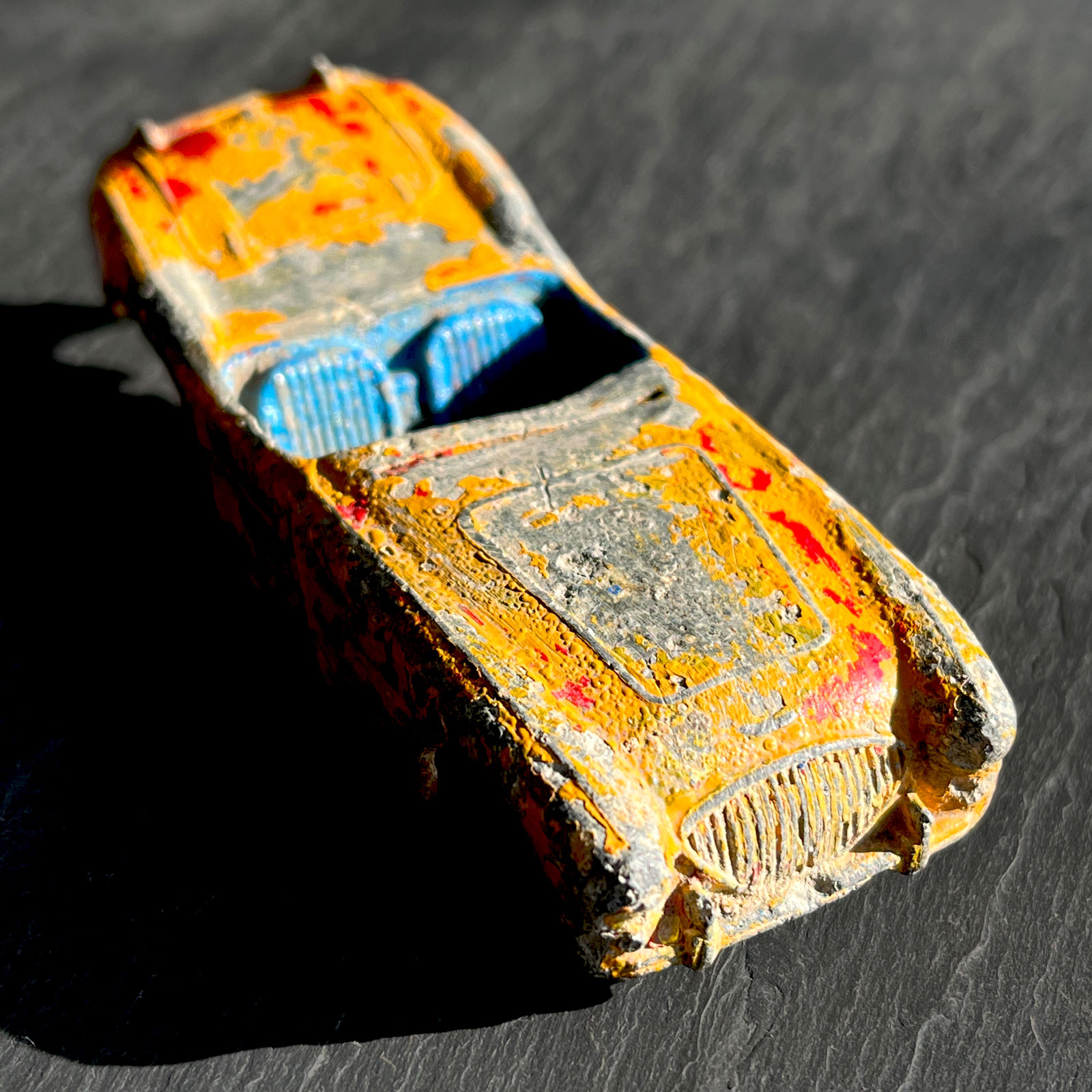
In my head, it felt like a moment from the TV show Detectorists – you know, the beginning of episode two from season one. Lance: “What you got?” Andy: “Matchbox car… Chevrolet Corvette… how in God’s name does that get out into the middle of a field in Essex?” Only in my case it was a 1950s Dinky Austin Healey 100 in the middle of a field in North Hertfordshire (Fig. 31). This little automotive wonder was in pretty bad shape, and sadly I don’t think it’s a case for restoration – but still, what a great find. When I sent this pic to Tim, his reaction was brilliant: “This is by far my favourite thing you could have found.” A bit later on I found the rear end of a Rover 3500 (Fig. 31), hmmm, a bit of a car theme starting to develop here!
When I got home, I gave the Austin Healey the small clean-up that it deserved, and weirdly it looks pretty cool in a knackered, beat-up wreck kind of way (Fig. 32). These finds ended the day’s session, but hopefully in the future there will be some more opportunities to detect on Tim’s land. Maybe when some of the landscaping takes place, it will bring some new things to the surface, like an Anglo-Saxon coin – hey, a dreamer can dream!
This hobby has been good to me
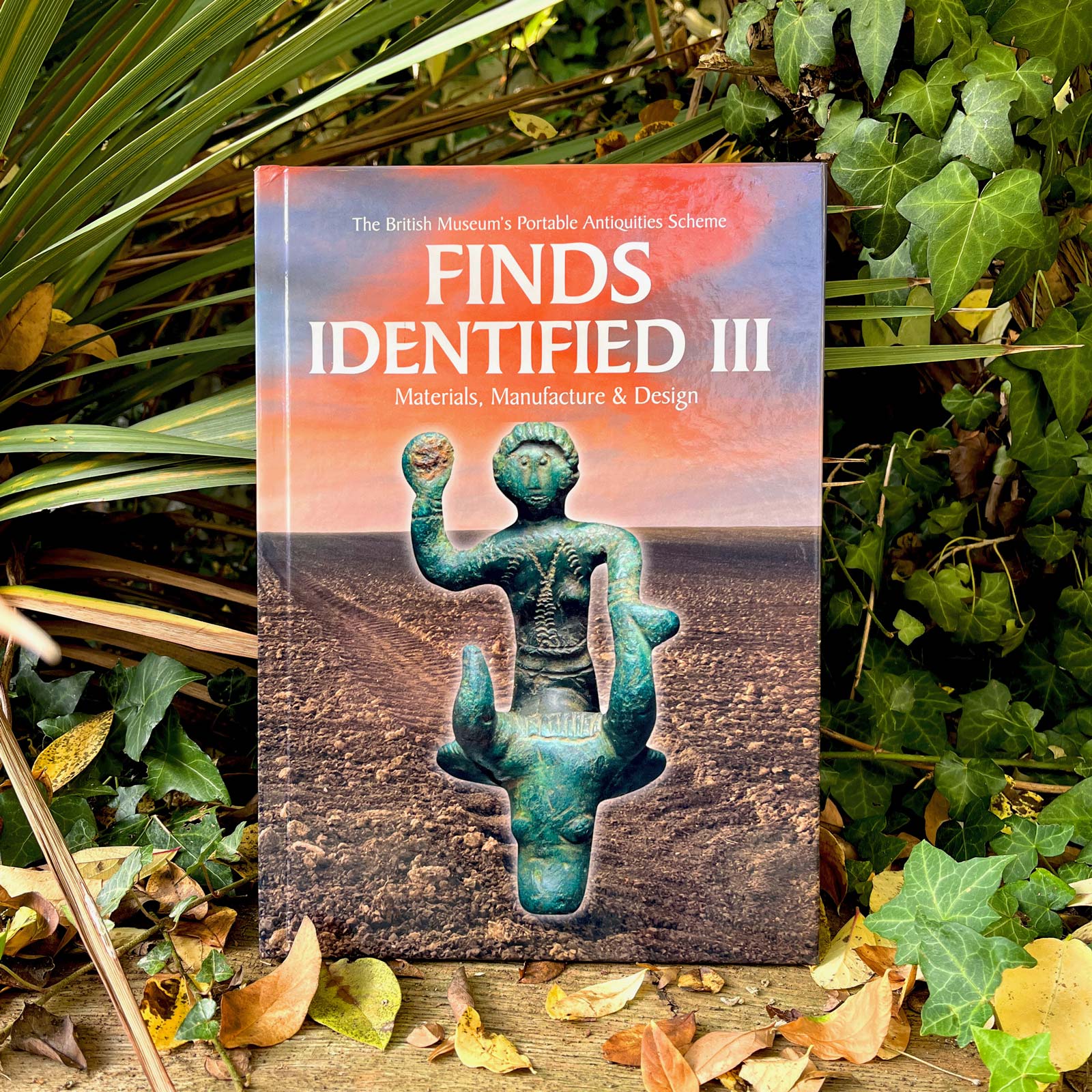
This hobby of metal detecting, and the journey it’s taking me on over the years, never ceases to amaze me. It started out as a journey of discovering history, but it’s turned into so much more than that. It’s brought me into contact with some brilliant people, including Julian Evan-Hart, the editor of Treasure Hunting Magazine, who has encouraged me to keep writing these articles, which I love doing. It has also filtered into my work life as a graphic designer, where I have helped out the Treasure Hunting team with the magazine on occasion. That then led to me being asked to put together the design and layout for the book Finds Identified III (as seen in Fig. 33), and I’m currently working on Finds Identified IV, which is just brilliant. This hobby has also brought me into contact with Keith Fitzpatrick-Matthews and Gilbert Burleigh, whose experience and continuous generosity in sharing their seemingly limitless knowledge as professionals in the field of archaeology has been invaluable, both for my detecting and writing these articles. It’s also reconnected me with old friends, and brought me into contact with new ones, you know who you all are.
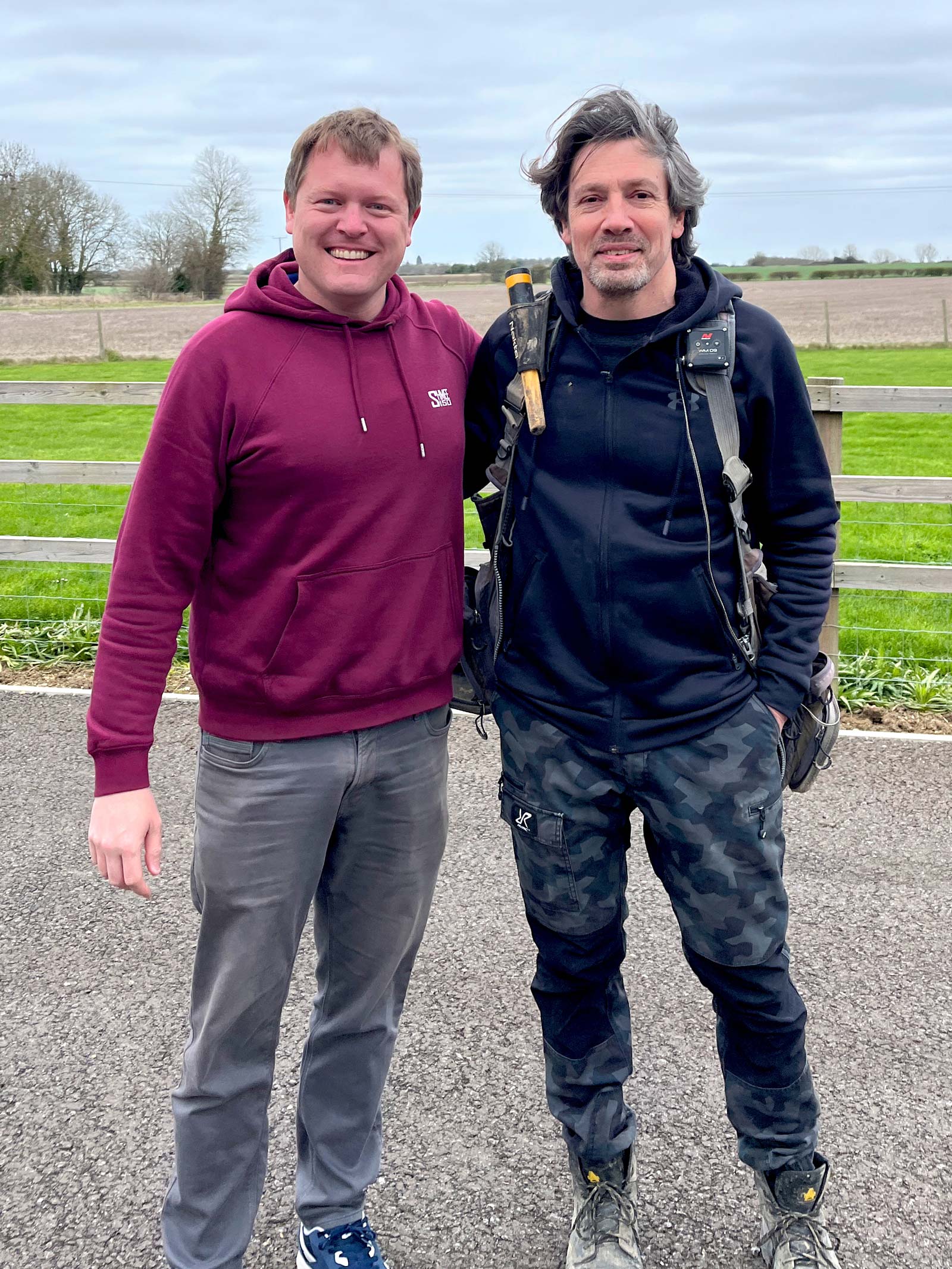
Now this hobby has brought me into contact with Tim (Fig. 34), a YouTuber that I have been following for years, never imagining that one day our paths would cross. And yet, due to this brilliant hobby, I’m now featuring in one of the videos on his YouTube channel. The video in question (Fig. 4) has had quite a few views now, which I’m sure is due to the sheep arriving and not me metal detecting – but it was great to be a part of it. I can only hope that I didn’t embarrass myself or the metal detecting community too much. I mean, pulling out an iron nail on the first hole… ugh!
But still, I got to write an article which features fast cars and metal detecting – what’s not to love! I must say a big thank you to Tim and Anna for their hospitality, for letting me loose on their land, and for their generosity with the use of images, a few of which were specifically taken for this article. To have myself and the wonderful hobby of metal detecting feature in one of Tim and Anna’s videos has been a memorable experience, even if the finds weren’t quite what we were hoping for.
It just leaves me to wonder where this brilliant hobby will take me next. Well, I actually already know, but that’s another article waiting to be written. Until then, if you like the articles that I write, or you’re interested in taking a gander at the things that I find, you can head over to my website: hertfordshirehistoryhunter.co.uk. I think of it as my digital garden shed, my little part of the internet where I potter about with all things metal detecting. 🙂